


Despite the names, most people don't get them from sport
Tennis elbow and golfer's elbow are two of the best-known causes of elbow pain, yet many people who develop them have never held a racket or a club. Gardening, painting a room, using a screwdriver, typing with the wrist bent, lifting a toddler, carrying heavy bags, or a sudden increase in any repetitive task can all be enough.
Elbow pain is often an overuse problem that settles with time and sensible changes. But because several different structures sit close together around the elbow, the location and type of pain give important clues. Here is how to make sense of it.
How the elbow is put together
The elbow is a hinge joint where the upper arm bone meets the two bones of the forearm. Muscles that bend the wrist and fingers attach by tendons to a bony bump on the inner elbow, while muscles that straighten the wrist and fingers attach to a bump on the outer elbow. A small fluid-filled sac called a bursa cushions the point at the back of the elbow, and the ulnar nerve, the so-called funny bone, runs in a groove on the inner side.
Pain on the outside: tennis elbow
Tennis elbow, or lateral epicondylitis (often called lateral elbow tendinopathy), involves irritation of the tendons that attach to the outer elbow. Typical signs:
- Pain and tenderness on the outer bony bump, sometimes spreading down the forearm
- Pain when gripping, shaking hands, turning a doorknob or lifting a cup
- A weaker grip than usual
Pain on the inside: golfer's elbow
Golfer's elbow, or medial epicondylitis, affects the tendons on the inner elbow. Pain is felt on the inner bump and may spread into the forearm. Gripping, flexing the wrist, and twisting movements tend to aggravate it.
Swelling at the back: olecranon bursitis
If a soft, swollen lump appears at the tip of the elbow, it may be bursitis. It can follow leaning on the elbow for long periods or a knock. It is often only mildly painful. However, if the area is red, hot and very tender, or you have a fever, it may be infected and needs prompt medical care.
Tingling into the fingers: ulnar nerve irritation
Compression or irritation of the ulnar nerve, sometimes called cubital tunnel syndrome, can cause aching on the inner elbow along with numbness or tingling in the ring and little fingers. It is often worse when the elbow is bent for long periods, such as holding a phone or sleeping with arms tightly bent. Ongoing numbness or weakness in the hand should be checked by a doctor.
Other causes
- Injuries such as fractures, dislocations or ligament sprains after a fall
- Arthritis, including osteoarthritis, rheumatoid arthritis and gout
- Tendon tears, such as a biceps tendon rupture at the front of the elbow, which can cause a sudden pop and bruising
- Pain referred from the neck or shoulder

Easing everyday strain
For tendon-related elbow pain, the most effective self-care is usually reducing the load that keeps irritating it, while keeping the arm moving:
- Lift with your palm facing up where possible, and keep objects close to your body.
- Use both hands for heavier items, and split loads into smaller trips.
- Choose thicker grips. Wider handles on tools, pens, and kitchen utensils reduce how hard you need to squeeze.
- Take breaks from repetitive tasks such as typing, mouse use or tool work, and vary your movements.
- Check your workstation. Keep wrists in a neutral position, not bent up or down, while typing.
- Avoid leaning on the elbow if bursitis or nerve symptoms are an issue, and try not to sleep with elbows tightly bent.
Relief picks for elbow pain
Hand-picked by ItHurts · an everyday option, a best overall and a clinical-grade upgrade
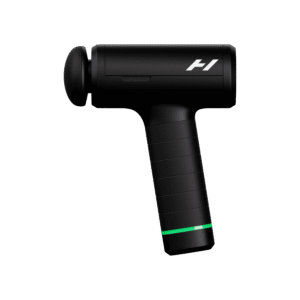
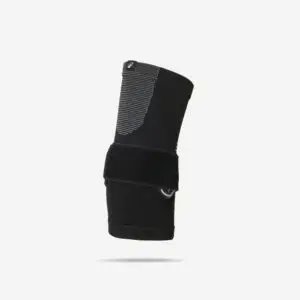
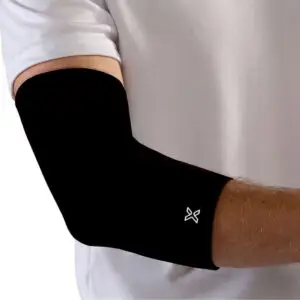
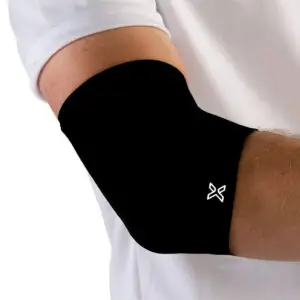
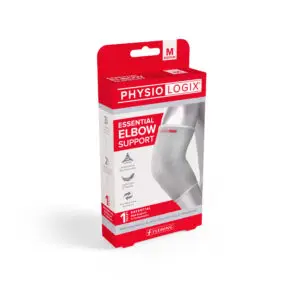
Some links are affiliate links. If you buy through them, ItHurts.com may earn a small commission at no extra cost to you.
Comfort, bracing and exercise
- Cold packs, wrapped in a cloth for 10 to 15 minutes, can ease pain after activity.
- Counterforce straps, worn just below the elbow, help some people with tennis or golfer's elbow during activity.
- Gradual strengthening. Tendons generally respond well to carefully progressed loading exercises. A physical therapist can design a program, often including slow, controlled wrist exercises with a light weight.
- Pain relief. A pharmacist can advise on options that suit you.
Tendon problems often improve slowly, sometimes over several months. Steady, gradual progress is normal, and a setback after doing too much does not mean you are back at the start.
When to see a doctor
Get urgent care if you have:
- An obvious deformity, severe pain or inability to move the elbow after a fall or injury
- A sudden pop at the front of the elbow followed by bruising and weakness
- A hot, red, swollen elbow, especially with fever
- Elbow or arm pain with chest pain, shortness of breath or sweating
Book an appointment for: numbness, tingling or weakness in the hand, pain that is not improving after several weeks of sensible changes, pain at night or rest, or swelling in several joints.
A doctor or physical therapist can usually identify the cause by examining the elbow and asking about your activities. Imaging is sometimes used if an injury, arthritis or a tear is suspected, or if things are not improving.
Keeping work and life going
Elbow pain can make simple tasks frustrating and can affect work that depends on your hands. Many people find it helps to talk to their employer about temporary changes, such as rotating tasks, using different tools, or adjusting workstation setup. Keep up general fitness with activities that do not load the sore arm, such as walking or cycling, so the rest of your body stays strong.
Final thoughts
Elbow pain is most often caused by irritated tendons on the outer or inner elbow, bursitis at the back, or ulnar nerve irritation. Reducing grip and lifting strain, gradual strengthening and patience help many people. Injury, infection signs, or numbness and weakness in the hand need medical attention.
The free Pain Check-Up can help you pinpoint and describe your symptoms. You can also visit the arm and elbow pain support groups.
Talk to Others With Elbow Pain
Share braces, grips, exercises and workday tweaks that help your elbow.
Join the Elbow Pain GroupReviewed by the ItHurts editorial team · Last reviewed 18 October 2026 · General information, not medical advice. If you are worried about your symptoms, talk to a doctor.