


Eye pain comes in different forms
"My eye hurts" can mean very different things. For some people it is a gritty, sandy feeling after a long day at the screen. For others it is a sharp scratch every time they blink, a dull ache behind the eye with a headache, or a throbbing pain with redness and blurred vision. The type of pain, along with whether your vision has changed, is the best clue to what is going on.
Most eye discomfort is caused by common, minor problems that settle with simple care. But a few causes of eye pain can threaten sight and need urgent treatment. Because your vision is so precious, it is always better to get checked if you are unsure.
Pain on the surface of the eye
- Dry eye: burning, gritty or tired eyes, often worse with screens, air conditioning, wind or contact lenses. Oddly, dry eyes can also water a lot.
- Something in the eye: an eyelash, dust or grit can cause sharp pain, watering and a strong urge to rub.
- Corneal scratch (abrasion): a scratch on the clear front of the eye, often from a fingernail, branch or makeup brush. It can feel as if something is stuck there even after it has gone.
- Conjunctivitis (pink eye): redness, irritation, discharge and crusting, usually from an infection or allergy. It is often more irritating than truly painful.
- Eyelid problems: a stye or inflamed eyelid margins (blepharitis) cause soreness, swelling and tenderness at the lid.
- Contact lens problems: over-wearing lenses, sleeping in them or poor hygiene can lead to irritation or infection of the cornea.
Aching around or behind the eye
- Eye strain: long periods of close focus can leave the eyes and forehead feeling tired and achy.
- Headaches: migraine and cluster headaches often cause pain around or behind one eye. Cluster headaches can bring a red, watery eye on the same side.
- Sinus congestion: pressure around and between the eyes.
- Inflammation inside the eye (such as uveitis): aching pain, redness, light sensitivity and blurred vision. This needs prompt care.
- Optic nerve inflammation: pain on moving the eye with dimmed or blurred vision.
- Acute angle-closure glaucoma: a sudden, severe eye pain with redness, blurred vision, halos around lights, headache and sometimes nausea. This is an emergency.
Gentle care for minor discomfort
- Don't rub. Rubbing can scratch the eye or spread infection.
- Rinse out small particles by blinking or flushing gently with clean water or sterile saline. Never use tweezers or anything sharp near the eye.
- Follow the 20-20-20 habit at screens: every 20 minutes, look at something about 20 feet away for about 20 seconds. Remember to blink fully.
- Adjust your setup. Position screens slightly below eye level, reduce glare, and avoid air vents blowing at your face.
- Lubricating eye drops (artificial tears) help many people with dry eyes. A pharmacist can suggest suitable types, including preservative-free drops for frequent use.
- Warm compresses on closed eyelids can soothe styes and blepharitis. Use a clean cloth each time.
- Give contact lenses a break if your eyes are sore, and switch to glasses until they settle. Never sleep in lenses unless they are specifically approved for it.
- Practice hygiene: wash hands before touching your eyes, don't share towels or eye makeup, and replace old mascara.

Comfort picks for tired, sore eyes
Hand-picked by ItHurts · an everyday option, a best overall and a clinical-grade upgrade
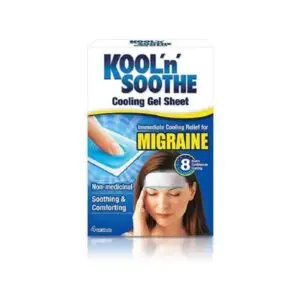

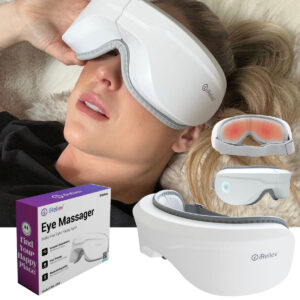





Some links are affiliate links. If you buy through them, ItHurts.com may earn a small commission at no extra cost to you.
Get emergency help for
- Sudden loss of vision, or a curtain or shadow over part of your vision
- Severe eye pain with redness, blurred vision, halos, headache or nausea
- A chemical splash: rinse immediately with lots of clean water for at least 15 minutes, then seek emergency care
- An eye injury from a blow, a high-speed object such as metal from grinding, or anything that may have penetrated the eye
- Eye pain with a sudden severe headache, stiff neck, confusion or weakness
See an eye doctor or urgent care the same day if:
- You wear contact lenses and have a painful red eye
- Your eye is very sensitive to light, or vision is blurred
- You feel something in your eye that you can't rinse out
- You have pain when moving your eye
- There is swelling and redness spreading around the eye, or fever
- Symptoms aren't improving after a day or two, or a newborn has red or sticky eyes
Living with eyes that often feel sore
For people who spend long days at screens, live with migraine, or have long-term dry eye, eye discomfort can become a daily background problem. It helps to build small habits into the day: scheduled screen breaks, a glass of water at your desk, a humidifier in dry rooms, and sunglasses outdoors in wind and bright light. Some people keep a simple log of when their eyes feel worst, which can reveal triggers such as late-night scrolling, certain lighting or skipped meals before a migraine. Sharing these patterns with your eye doctor makes appointments more productive.
Who to see
For urgent problems, go to an emergency department or an urgent eye clinic if one is available near you. For ongoing issues such as dry eye or eye strain, an optometrist can check your vision and eye surface and may find that updated glasses or a different screen setup makes a big difference. An ophthalmologist, a medical eye doctor, handles conditions such as glaucoma, uveitis and serious injuries. Regular eye exams are also worthwhile because some eye conditions cause no pain until they are advanced.
The bottom line
Eye pain is often caused by dryness, strain, a minor scratch, a stye or conjunctivitis, and many people find relief with rest, screen breaks, lubricating drops and warm compresses. Pain with vision changes, severe pain with halos or nausea, chemical splashes and injuries are emergencies. If you wear contacts and have a painful red eye, get it checked the same day.
Talk with others who understand
Our headache, head and eye pain groups bring together people dealing with eye strain, migraine and more. Track and describe your symptoms with the free ItHurts Pain Check-Up.
Join Head and Eye GroupsReviewed by the ItHurts editorial team · Last reviewed 18 October 2026 · General information, not medical advice. If you are worried about your symptoms, talk to a doctor.