
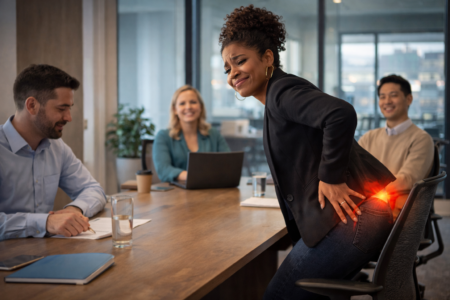
ItHurts Ouch Files: Anal Pain Edition Your Butt Is Screaming, Not Whispering Anal pain can make sitting, moving, and daily activities uncomfortable. Irritation, inflammation, muscle tension, or digestive strain can all contribute to discomfort in this sensitive area. Anal pain can develop for many reasons, including irritation, pressure, digestive strain, or inflammation. Because the area contains many nerve endings, even mild irritation can feel intense. Simple supportive habits may help reduce pressure and allow irritated tissues to calm down while you seek appropriate care if symptoms persist. 3 Practical Habits That May Help Reduce Anal Pain 🪑 Reduce Pressure While Sitting Using a donut cushion or gel seat and changing sitting positions regularly may help reduce pressure on sensitive tissues and improve circulation. 💧 Support Digestive Health Staying hydrated and gradually increasing fiber intake may help produce softer stools and reduce straining during bowel movements. 🧘 Relax Pelvic Muscles Warm sitz baths and gentle breathing exercises may help relax pelvic muscles and reduce tension-related discomfort. If symptoms become severe, persistent, or involve bleeding or swelling, seeking medical evaluation can help determine the underlying cause. If it Hurts we can help. If pain has taken over your sleep, your mood, or your search history, come find your people. Join the ItHurts Community Disclaimer: Enjoy the “Ouch Files” for the laughs and the lessons, but treat us like a witty friend rather than a diagnostic tool. We aren’t doctors, and this content is not medical advice. Persistent or severe anal pain should always be evaluated by a qualified healthcare professional.
 Written by Karrie