
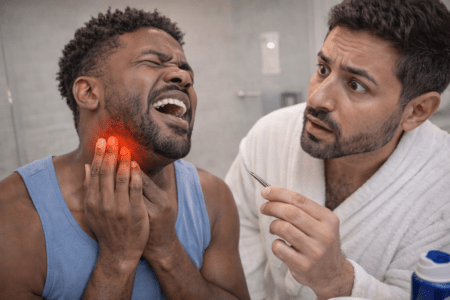
ItHurts Ouch Files: Ingrown Hair Edition Ingrown Hair Pain: When One Hair Decides to Rebel Ingrown hairs occur when a hair curls back or grows sideways into the skin instead of rising outward. This can lead to redness, swelling, irritation, and small painful bumps on the skin. Ingrown hairs are a common skin issue that often appear after shaving, waxing, or other hair removal methods. When hair becomes trapped beneath the surface of the skin, inflammation and discomfort may develop. Although ingrown hairs can be irritating, simple skin-care adjustments may help reduce both pain and the likelihood of future occurrences. 3 Practical Tips That May Help Reduce Ingrown Hair Pain 🧼 Exfoliate Regularly Dead skin cells can block hair follicles and trap hairs beneath the surface of the skin. Gentle exfoliation using chemical exfoliants such as salicylic or glycolic acid may help clear follicles and allow hairs to grow outward normally. 🪒 Improve Your Shaving Technique Using a clean, sharp razor and shaving in the direction of hair growth can reduce irritation and lower the risk of hairs curling back into the skin. Applying shaving cream or gel also helps reduce friction during hair removal. 🌿 Calm Irritated Skin If an ingrown hair becomes inflamed, warm compresses and soothing products such as aloe vera or niacinamide may help reduce redness and discomfort. Wearing loose clothing can also prevent additional friction on the affected area. Ingrown hairs are usually temporary and often resolve on their own. Supporting healthy skin and minimizing irritation can significantly reduce discomfort and recurrence. If it Hurts we can help. If pain has taken over your sleep, your mood, or your search history, come find your people. Join the ItHurts Community Disclaimer: Enjoy the “Ouch Files” for the laughs and the lessons, but treat us like a witty friend rather than a diagnostic tool. We aren’t doctors, and this content is not medical advice. If ingrown hairs become severely painful, infected, or spread to surrounding skin, consult a qualified healthcare professional.
 Written by Karrie