
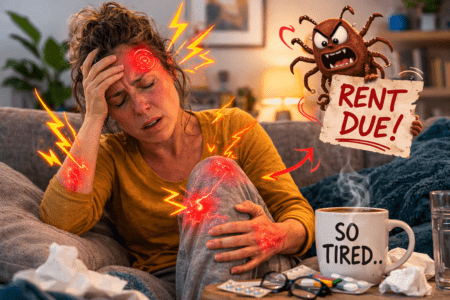
ItHurts Ouch Files: Lyme Disease Edition Lyme Disease: When a Tick Ruins Your Life and Then Asks for Rent A tiny tick bite can lead to big symptoms. Lyme disease may bring joint pain, fatigue, nerve discomfort, and brain fog that make everyday life feel unexpectedly difficult. Lyme disease begins with a tick bite, but for many people the symptoms can persist long after the bite itself disappears. Joint pain, fatigue, nerve irritation, and cognitive fog are commonly reported by people dealing with Lyme-related illness. Symptoms may appear in cycles, making daily activities unpredictable and frustrating. While proper medical care is essential, supportive lifestyle habits may help reduce inflammation and improve overall comfort. 3 Practical Tips That May Help Manage Lyme Disease Symptoms 🥦 Focus on Anti-Inflammatory Nutrition Inflammation can contribute to joint pain and fatigue. Many people benefit from eating foods such as leafy greens, berries, fatty fish, turmeric, and ginger while limiting processed foods, sugar, and alcohol. 🚶 Choose Gentle Movement Over Intense Exercise Overexertion can worsen fatigue for some people with Lyme disease. Short walks, stretching, or light mobility exercises may help maintain flexibility without triggering symptom flare-ups. 🧘 Support Nervous System Balance Stress and poor sleep may intensify pain and fatigue. Consistent sleep routines, breathing exercises, and limiting excessive screen time can help calm the nervous system and improve recovery. Living with Lyme disease can feel isolating at times, but support from healthcare professionals, loved ones, and chronic illness communities can make a meaningful difference. If it Hurts we can help. If pain has taken over your sleep, your mood, or your search history, come find your people. Join the ItHurts Community Disclaimer: Enjoy the “Ouch Files” for the laughs and the lessons, but treat us like a witty friend rather than a diagnostic tool. We aren’t doctors, and this content is not medical advice. Lyme disease requires professional medical evaluation and treatment. If symptoms persist or worsen, consult a qualified healthcare professional.
 Written by Karrie