
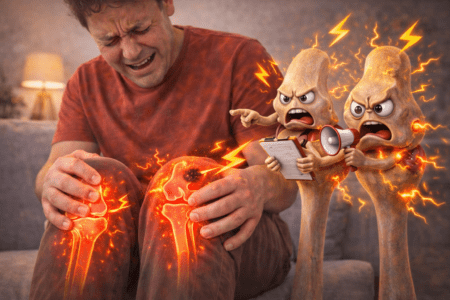
Osteoarthritis: When Your Joints Turn 35 and Start Filing HR Complaints Osteoarthritis is a common joint condition that occurs when the protective cartilage cushioning the ends of bones gradually wears down. As cartilage becomes thinner, joints may become stiff, painful, and less flexible. People living with osteoarthritis often experience discomfort during movement, morning stiffness, and joint tenderness that can affect everyday activities such as walking, climbing stairs, or using the hands. While medical treatment is important, certain daily habits may help reduce stiffness and support joint function. 3 Practical Strategies That May Help Manage Osteoarthritis Pain 🦴 Regular Gentle Movement Movement helps nourish cartilage and maintain joint flexibility. Take short daily walks Practice gentle range-of-motion exercises Try low-impact activities such as swimming or cycling Consistent movement may help reduce stiffness and improve joint mobility. 🔥 Use Heat and Cold Therapy Strategically Heat and cold therapy may help manage different types of joint discomfort. Use heat packs to relax stiff joints and muscles Apply cold packs to reduce swelling after activity Limit applications to about 15–20 minutes at a time Alternating these methods can help manage inflammation and improve comfort. 💪 Strengthen Supporting Muscles Strong muscles help stabilize joints and reduce stress on cartilage. Strengthen muscles surrounding affected joints Focus on core, hip, and leg strength for knee and hip support Consider physical therapy guidance when starting exercises Building muscle strength may improve joint stability and reduce pain during daily movement. You Are Not Alone Living with osteoarthritis can be challenging, especially when pain interferes with normal activities. Support from healthcare professionals, family, and communities can help individuals find strategies that improve comfort and maintain independence. ⚠️ Disclaimer I am not a doctor. This content is for informational purposes only and should not replace professional medical advice. Osteoarthritis and joint pain require evaluation and treatment by qualified healthcare professionals. Always consult your healthcare provider regarding symptoms, treatment options, and pain management strategies. If it Hurts we can help. Join ItHurts — the Social Network for Pain. A place where people living with pain can learn, listen, and share experiences with others who truly understand. Visit ItHurts
 Written by Karrie