
 Afghanistan
 Albania
 Algeria
 Andorra
 Angola
 Argentina
 Armenia
 Australia
 Austria
 Azerbaijan
 Bahrain
 Bangladesh
 Barbados
 Belarus
 Belgium
 Belize
 Benin
Benin
 Bhutan
 Bolivia
 Bosnia and Herzegovina
 Botswana
 Brazil
 Brunei
 Bulgaria
 Burkina Faso
 Burundi
 Cambodia
 Cameroon
 Canada
 Cape Verde
 Central African Republic
 Chad
Chad
 Chile
Chile
 China
China
 Colombia
 Comoros
 Congo
Congo
 Costa Rica
 Croatia
 Cuba
Cuba
 Cyprus
 Czech Republic
 Denmark
 Djibouti
 Dominican Republic
 Ecuador
 Egypt
Egypt
 El Salvador
 Estonia
 Ethiopia
 Finland
 France
 Gabon
Gabon
 Gambia
 Georgia
 Germany
 Ghana
Ghana
 Greece
 Guatemala
 Guinea
 Guyana
 Haiti
Haiti
 Honduras
 Hungary
 Iceland
 India
India
 Indonesia
 Iran
Iran
 Iraq
Iraq
 Ireland
 Israel
 Italy
Italy
 Jamaica
 Japan
Japan
 Jordan
 Kazakhstan
 Kenya
Kenya
 Kuwait
 Kyrgyzstan
 Laos
Laos
 Latvia
 Lebanon
 Lesotho
 Liberia
 Libya
Libya
 Lithuania
 Luxembourg
 Madagascar
 Malawi
 Malaysia
 Maldives
 Mali
Mali
 Malta
Malta
 Mauritania
 Mauritius
 Mexico
 Moldova
 Mongolia
 Montenegro
 Morocco
 Mozambique
 Myanmar
 Namibia
 Nepal
Nepal
 Netherlands
 New Zealand
 Nicaragua
 Niger
Niger
 Nigeria
 Norway
 Oman
Oman
 Pakistan
 Panama
 Paraguay
 Peru
Peru
 Philippines
 Poland
 Portugal
 Qatar
Qatar
 Romania
 Russia
 Rwanda
 Saudi Arabia
 Senegal
 Serbia
 Singapore
 Slovakia
 Slovenia
 South Africa
 South Korea
 Spain
Spain
 Sri Lanka
 Sudan
Sudan
 Sweden
 Switzerland
 Syria
Syria
 Taiwan
 Tajikistan
 Tanzania
 Thailand
 Turkey
 Turkmenistan
 Uganda
 Ukraine
 United Arab Emirates
 United Kingdom
 United States
 Uruguay
 Uzbekistan
 Venezuela
 Vietnam
 Yemen
Yemen
 Zambia
 Zimbabwe
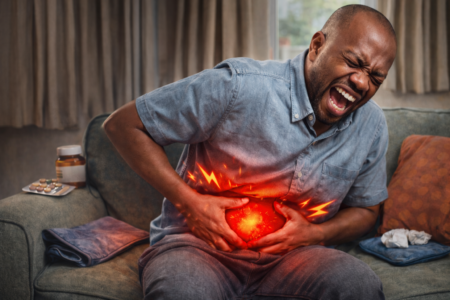
When Your Pancreas Chooses Violence: A Survival Guide for Laughing Through the Pain Nobody grows up dreaming of becoming “a person who knows way too much about their pancreas.” Yet here you are—possibly Googling symptoms at 2:37 a.m., wondering why a small, overachieving organ decided to become the office villain of your body. Pancreatic cancer pain is not subtle. It doesn’t knock politely. It kicks the door in, rearranges the furniture, and leaves you standing there asking, “Is this real life or a medical drama I didn’t audition for?” This post is not here to sugarcoat it. It’s here to help you feel less powerless, laugh when you can, and reclaim small, meaningful control in a situation that often feels wildly unfair. Three Actionable Ways to Reduce the Pain (and Take Back Some Power) 🧍♂️ 1. Posture Is Not Boring—It’s Strategic Pancreatic cancer pain often radiates to the back because nerves are involved. Translation: how you sit, stand, and lie down matters more than you think. What helps: Try a slight forward-leaning position when sitting (pillows are your friends). When lying down, many people feel less pain on their side with knees gently bent. Avoid “flat-on-the-back like a vampire” positioning if it worsens pain. Why it works: You’re reducing pressure on irritated nerves. This isn’t “good posture” for Instagram—it’s tactical comfort. 🍽️ 2. Eat Like You’re Negotiating with a Very Sensitive Organ Pancreatic cancer pain is often aggravated by digestion. Big meals can feel like your body shouting, “Absolutely not.” What helps: Eat small, frequent meals instead of three heroic ones. Limit greasy, heavy foods that demand too much digestive effort. Stay hydrated—even mild dehydration can intensify discomfort. Why it works: Less digestive strain = less pressure and inflammation = fewer pain spikes. You’re not being picky. You’re being smart. 🧠 3. Pain Is Physical—But Your Brain Is on the Team Too Pain is not “all in your head,” but your nervous system absolutely influences how intense it feels. What helps: Short breathing resets: inhale slowly for 4, exhale for 6 (repeat for 2 minutes). Gentle distraction: music, guided audio, or conversation—not doom scrolling. Emotional validation: say it out loud—“This is hard.” It reduces stress hormones. Why it works: Lower stress signals mean calmer pain pathways. You’re not ignoring reality—you’re changing how loudly it screams. The Mandatory (But Actually Important) Disclaimer I am not a doctor. I do not own a stethoscope, a white coat, or malpractice insurance. This is not medical advice. Pancreatic cancer is serious, complex, and absolutely requires professional medical care. Use this information as supportive education—not a substitute for talking to your healthcare team. If pain changes, worsens, or scares you, please see a medical professional immediately. Your health is not a DIY project. If it Hurts we can help. You don’t have to do this alone. Join ItHurts—the Social Network for Pain. Think Facebook, TikTok, and Instagram, but for people who actually get it. A place to Learn, Listen, and Share without pretending everything’s fine when it’s clearly not. It’s the premier social network for pain, built for real humans dealing with real hurt. Join ItHurts Community
 Written by Karrie