
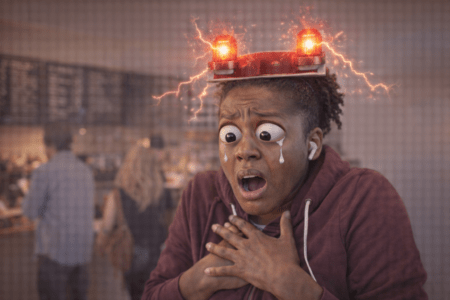
ItHurts Ouch Files: Panic Attack Edition When Your Brain Sounds the Alarm Without a Fire Panic attacks can cause sudden fear, racing heartbeats, chest tightness, dizziness, and intense physical sensations even when no real danger is present. Panic attacks occur when the body’s stress response becomes overactivated. The nervous system reacts as if there is an immediate threat, triggering rapid breathing, muscle tension, and heightened alertness. Although panic attacks can feel overwhelming, understanding how the body reacts to stress can help individuals regain a sense of control. 3 Practical Techniques That May Help Calm a Panic Attack 🫁 Use Slow Breathing to Regulate the Nervous System Inhaling slowly through the nose for several seconds and exhaling longer through the mouth may help calm the body’s stress response and reduce physical symptoms. 🔍 Ground Yourself in the Present Moment Focusing attention on things you can see, hear, or feel around you may help shift attention away from anxious thoughts and bring the mind back to the present. 🧠 Reassure Yourself That the Sensations Will Pass Reminding yourself that panic symptoms are temporary and not life-threatening may help reduce fear and allow the body to gradually return to a calmer state. Practicing calming strategies regularly can help the nervous system become more resilient over time. If it Hurts we can help. If pain has taken over your sleep, your mood, or your search history, come find your people. Join the ItHurts Community Disclaimer: Enjoy the “Ouch Files” for the laughs and the lessons, but treat us like a witty friend rather than a diagnostic tool. We aren’t doctors, and this content is not medical advice. Panic attacks can overlap with other medical conditions. If symptoms are severe, persistent, or concerning, consult a qualified healthcare professional.
 Written by Karrie