
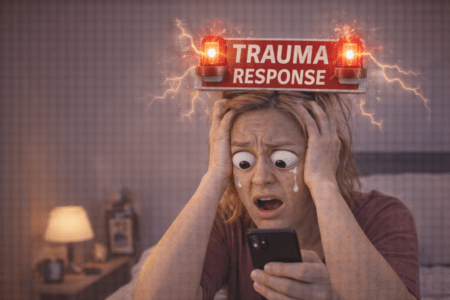
ItHurts Ouch Files: PTSD Edition When Your Brain Sounds the Alarm Long After the Danger Is Gone Post-Traumatic Stress Disorder (PTSD) can cause intense emotional and physical reactions long after a traumatic event, including anxiety, hyper-vigilance, intrusive memories, and nervous system overload. PTSD occurs when the brain and nervous system continue reacting to past trauma as if the threat is still present. This can trigger sudden anxiety, muscle tension, racing thoughts, and strong emotional reactions even in safe environments. Although these responses can feel overwhelming, understanding how trauma affects the body can help individuals gradually regain a sense of control. 3 Strategies That May Help Calm PTSD Responses 🧠 Ground Yourself in the Present Moment Using grounding techniques such as the 5-4-3-2-1 sensory method can help redirect attention from traumatic memories to the present environment. 🫁 Use Slow Breathing to Regulate the Nervous System Inhaling slowly through the nose and exhaling longer through the mouth may help activate the body’s calming response and reduce physical tension. 💬 Seek Professional and Community Support Trauma recovery often improves with support from therapists, counselors, or support communities that understand the challenges of trauma-related stress. Healing from trauma often happens gradually as the nervous system learns that safety has returned. If it Hurts we can help. If pain, trauma, or stress has taken over your thoughts, come find people who understand. Join the ItHurts Community Disclaimer: Enjoy the “Ouch Files” for the laughs and the lessons, but treat us like a witty friend rather than a diagnostic tool. We aren’t doctors, and this content is not medical advice. PTSD and trauma-related conditions require evaluation and care from qualified mental health professionals.
 Written by Karrie