
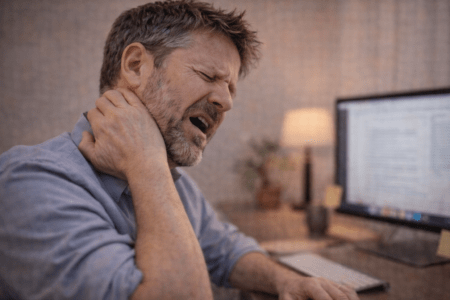
ItHurts Ouch Files: Stress & Pain Edition Stress Is Not a Personality Trait: How to Stop Living Like You’re in a Low-Grade Emergency Chronic stress can affect muscles, nerves, digestion, sleep, and pain perception. Learning how to regulate the nervous system can help reduce tension, improve recovery, and lower the intensity of pain flare-ups. Stress doesn’t only affect thoughts and emotions—it also affects the body. When the nervous system remains in a constant fight-or-flight state, muscles stay tense, inflammation may increase, and pain sensitivity can rise. Learning to regulate stress responses can help calm the nervous system and reduce the physical impact that chronic stress has on the body. 3 Practical Stress-Reduction Strategies 🧠 Interrupt Stress Early Short breathing exercises—such as inhaling for four seconds and exhaling for six seconds—can activate the body’s relaxation response and help reduce muscle tension. 🏃 Use Movement to Release Stress Hormones Light physical activity such as walking, stretching, or gentle exercise can help metabolize stress hormones and support emotional regulation. 🛌 Protect Sleep and Recovery Time Consistent sleep routines, reduced nighttime screen exposure, and healthy boundaries with work and responsibilities can support nervous system recovery. The Honest Reality Stress management is not about eliminating stress entirely. Small daily habits that regulate the nervous system can gradually reduce tension, improve resilience, and help the body respond to pain more effectively. If it Hurts we can help. Join a supportive community where people share real experiences and strategies for managing pain, stress, and everyday challenges. Join the ItHurts Community Disclaimer: Enjoy the “Ouch Files” for the laughs and the lessons, but treat us like a supportive friend rather than a diagnostic tool. We aren’t doctors, and this content is not medical advice. Always consult a qualified healthcare professional for diagnosis and treatment of persistent symptoms.
 Written by Karrie