
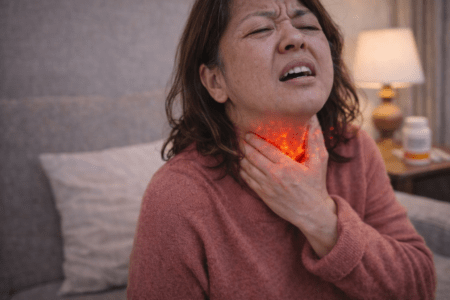
ItHurts Ouch Files: Thyroid Cancer Edition Your Thyroid Called. It Wants Its Drama Back. Thyroid cancer and its treatments can affect energy levels, metabolism, mood, and physical comfort. Managing hormone balance, sleep, and gentle movement may help reduce pain and fatigue during recovery. The thyroid plays a key role in regulating metabolism, energy levels, and body temperature. When thyroid cancer or its treatment affects this gland, many people experience fatigue, muscle aches, mood shifts, and changes in how their body responds to stress. While medical treatment is essential, daily habits can also help support the body during recovery and reduce discomfort associated with hormone changes. 3 Practical Tips for Managing Thyroid Cancer Symptoms 🧠 Maintain Consistent Hormone Management Taking prescribed thyroid medication at the same time every day helps maintain stable hormone levels. Tracking symptoms such as fatigue, cold sensitivity, joint pain, or brain fog can help doctors adjust treatment when needed. 💤 Prioritize Rest and Sleep Sleep supports hormone regulation and recovery. Maintaining a consistent sleep schedule, creating a calm bedtime routine, and ensuring a comfortable sleep environment can help reduce fatigue and improve overall well-being. 🧘 Move Gently and Consistently Light physical activity such as walking, stretching, or gentle yoga may help improve circulation and reduce joint stiffness. Short sessions of movement are often more effective than intense workouts during recovery. The Honest Reality Thyroid cancer can affect both physical health and emotional well-being. Working closely with healthcare professionals, maintaining consistent treatment routines, and connecting with supportive communities can help people navigate recovery with greater confidence and comfort. If it Hurts we can help. If pain has taken over your sleep, your mood, or your search history, come find your people. Join the ItHurts Community Disclaimer: Enjoy the “Ouch Files” for the laughs and the lessons, but treat us like a supportive friend rather than a diagnostic tool. We aren’t doctors, and this content is not medical advice. Thyroid cancer requires diagnosis and treatment by qualified healthcare professionals.
 Written by Karrie