United States
Afghanistan
Albania
Algeria
Andorra
Angola
Argentina
Armenia
Australia
Austria
Azerbaijan
Bahrain
Bangladesh
Barbados
Belarus
Belgium
Belize
Benin
Bhutan
Bolivia
Bosnia and Herzegovina
Botswana
Brazil
Brunei
Bulgaria
Burkina Faso
Burundi
Cambodia
Cameroon
Canada
Cape Verde
Central African Republic
Chad
Chile
China
Colombia
Comoros
Congo
Costa Rica
Croatia
Cuba
Cyprus
Czech Republic
Denmark
Djibouti
Dominican Republic
Ecuador
Egypt
El Salvador
Estonia
Ethiopia
Finland
France
Gabon
Gambia
Georgia
Germany
Ghana
Greece
Guatemala
Guinea
Guyana
Haiti
Honduras
Hungary
Iceland
India
Indonesia
Iran
Iraq
Ireland
Israel
Italy
Jamaica
Japan
Jordan
Kazakhstan
Kenya
Kuwait
Kyrgyzstan
Laos
Latvia
Lebanon
Lesotho
Liberia
Libya
Lithuania
Luxembourg
Madagascar
Malawi
Malaysia
Maldives
Mali
Malta
Mauritania
Mauritius
Mexico
Moldova
Mongolia
Montenegro
Morocco
Mozambique
Myanmar
Namibia
Nepal
Netherlands
New Zealand
Nicaragua
Niger
Nigeria
Norway
Oman
Pakistan
Panama
Paraguay
Peru
Philippines
Poland
Portugal
Qatar
Romania
Russia
Rwanda
Saudi Arabia
Senegal
Serbia
Singapore
Slovakia
Slovenia
South Africa
South Korea
Spain
Sri Lanka
Sudan
Sweden
Switzerland
Syria
Taiwan
Tajikistan
Tanzania
Thailand
Turkey
Turkmenistan
Uganda
Ukraine
United Arab Emirates
United Kingdom
United States
Uruguay
Uzbekistan
Venezuela
Vietnam
Yemen
Zambia
Zimbabwe

News

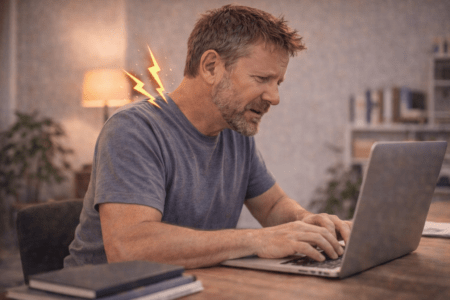
Your Posture Is a Liar: Why Your Spine Is Filing a Workplace Complaint

ItHurts Ouch Files: Posture Training Edition Your Posture Is a Liar: Why Your Spine Is Filing a Workplace Complaint Posture training focuses on improving body alignment and strengthening support muscles that stabilize the spine. Better posture can reduce strain on muscles, joints, and nerves during everyday activities. Many people experience neck, shoulder, and back pain due to prolonged sitting, poor workstation setup, and habitual slouching. Over time, these patterns place extra stress on the muscles and joints that support the spine. Posture training focuses on restoring balanced alignment, improving mobility, and strengthening the muscles that keep the body upright. 3 Practical Posture Training Strategies 🧠 Align the Head, Shoulders, and Hips Keeping the ears aligned above the shoulders and the shoulders above the hips helps distribute weight evenly through the spine and reduces strain on neck and back muscles. 🪑 Optimize Your Sitting Position Sit with feet flat on the floor, hips slightly higher than knees, and the lower back supported. Taking short standing or walking breaks every 30–45 minutes helps prevent stiffness. 💪 Strengthen Postural Support Muscles Exercises such as wall angels, chin tucks, and scapular squeezes can help strengthen the upper back and improve overall posture control. The Honest Reality Improving posture takes time and consistency. Small adjustments to daily habits—combined with strengthening and movement—can gradually reduce tension and improve spinal comfort. If it Hurts we can help. Join a supportive community where people share real experiences and practical strategies for managing pain and improving movement. Join the ItHurts Community Disclaimer: Enjoy the “Ouch Files” for the laughs and the lessons, but treat us like a supportive friend rather than a diagnostic tool. We aren’t doctors, and this content is not medical advice. Always consult a qualified healthcare professional for diagnosis and treatment of persistent symptoms.

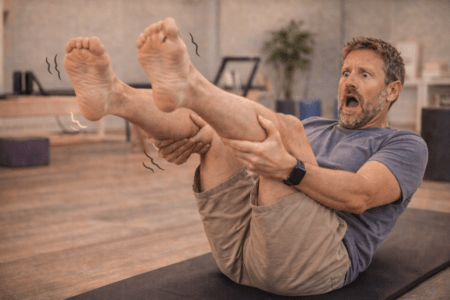
PILATES: Because Your Core Has Been On Strike Since 2012

ItHurts Ouch Files: Pilates Edition 🧘‍♀️ Pilates: Because Your Core Has Been On Strike Since 2012 Pilates focuses on strengthening deep core muscles, improving posture, and enhancing body control. When practiced consistently, it can support spinal stability, reduce strain on joints, and improve overall movement quality. Many pain conditions are connected to weak stabilizing muscles and poor posture habits developed over time. Pilates training emphasizes slow, controlled movement patterns that strengthen the deep muscles around the spine, hips, and abdomen. By improving alignment and body awareness, Pilates can help reduce strain on joints and support healthier movement during everyday activities. 3 Practical Pilates Tips for Reducing Pain 🔥 Engage the Core Without Over-Tensing Instead of tightly clenching the abdomen, gently draw the stomach inward while breathing normally. This activates deep stabilizing muscles that help support the spine. 🧠 Focus on Controlled, Precise Movements Pilates exercises are designed to be slow and deliberate. Maintaining good form during small movements can help strengthen muscles while protecting joints. 🫁 Coordinate Breathing With Movement Inhale through the nose and allow the ribs to expand sideways, then exhale during the most challenging part of the movement. Proper breathing supports muscle coordination and relaxation. The Honest Reality Pilates works best when practiced consistently and with attention to form. Over time, improved core strength and body awareness can lead to better posture, reduced muscle tension, and improved daily comfort. If it Hurts we can help. Join a supportive community where people share real experiences and strategies for managing pain and improving movement. Join the ItHurts Community Disclaimer: Enjoy the “Ouch Files” for the laughs and the lessons, but treat us like a supportive friend rather than a diagnostic tool. We aren’t doctors, and this content is not medical advice. Always consult a qualified healthcare professional for diagnosis and treatment of persistent symptoms.

Physical Therapy: The Only Relationship Where Someone Hurts You on Purpose… and You Thank Them Later

ItHurts Ouch Files: Physical Therapy Edition Physical Therapy: The Only Relationship Where Someone Hurts You on Purpose… and You Thank Them Later Physical therapy helps restore strength, mobility, and coordination through targeted exercises and movement training. It focuses on improving movement patterns, reducing pain sensitivity, and helping the body function more efficiently. Many pain conditions develop from poor movement patterns, muscle imbalances, or reduced joint mobility. Physical therapy addresses these issues through guided exercises, posture correction, and gradual movement retraining. Rather than simply treating symptoms, physical therapy focuses on improving how the body moves so that daily activities become easier and less painful. 3 Practical Physical Therapy Strategies 🔥 Focus on Movement Patterns Learning correct movement patterns for everyday actions—such as bending, reaching, sitting, and walking—can reduce strain on joints and muscles. 🧠 Calm the Nervous System During Movement Pairing exercise with slow breathing and gradual progression helps the nervous system recognize that movement is safe, which can reduce pain sensitivity. 💪 Stay Consistent With Exercises Short, regular exercise sessions help the body adapt and rebuild strength. Consistency over time leads to improved stability, endurance, and reduced discomfort. The Honest Reality Physical therapy focuses on building long-term resilience rather than quick fixes. Through gradual strengthening, mobility work, and education, many people regain confidence in movement and experience meaningful improvements in daily function. If it Hurts we can help. Join a community where people share real experiences and practical strategies for managing pain. Join the ItHurts Community Disclaimer: Enjoy the “Ouch Files” for the laughs and the lessons, but treat us like a supportive friend rather than a diagnostic tool. We aren’t doctors, and this content is not medical advice. Always consult a qualified healthcare professional for diagnosis and treatment of persistent symptoms.

Your Pelvic Floor Is Not Broken—It’s Just Deeply Overworked and Emotionally Exhausted

ItHurts Ouch Files: Pelvic Floor Therapy Edition Your Pelvic Floor Is Not Broken—It’s Just Deeply Overworked and Emotionally Exhausted Pelvic floor therapy focuses on restoring healthy muscle coordination and reducing tension in the pelvic region. Proper relaxation, posture, and targeted therapy can help relieve pelvic discomfort and improve daily function. The pelvic floor is a group of muscles that supports internal organs and helps control bladder and bowel function. When these muscles become overly tense or overworked, they can contribute to pelvic pain, discomfort, and difficulty with everyday activities. Pelvic floor therapy focuses on restoring balance by improving relaxation, posture, and muscle coordination. 3 Practical Pelvic Floor Therapy Strategies 🧠 Practice Pelvic Floor Relaxation Instead of constantly tightening the muscles, focus on gentle relaxation techniques. Slow breathing and consciously allowing the pelvic floor to soften can help reduce muscle tension. 🪑 Improve Sitting Posture Long periods of sitting with poor posture can increase pressure on the pelvic region. Sitting with feet flat, hips supported, and the spine in a neutral position can help reduce strain. 🧘 Work With a Pelvic Floor Therapist A trained pelvic floor therapist can assess muscle tension and coordination, and guide exercises or manual techniques designed to improve pelvic muscle function. The Honest Reality Pelvic discomfort is common but should not be ignored. With proper evaluation and therapy, many people can improve pelvic muscle function and reduce long-term pain. If it Hurts we can help. Join a community where people share real experiences and strategies for managing pain and improving daily comfort. Join the ItHurts Community Disclaimer: Enjoy the “Ouch Files” for the laughs and the lessons, but treat us like a supportive friend rather than a diagnostic tool. We aren’t doctors, and this content is not medical advice. Always consult a qualified healthcare professional for diagnosis and treatment of persistent symptoms.

Your Pain Isn’t Broken—Your Understanding Is (Let’s Fix That Without Crying)

ItHurts Ouch Files: Pain Education Edition Your Pain Isn’t Broken—Your Understanding Is (Let’s Fix That Without Crying) Understanding how pain works can reduce fear, improve coping strategies, and help people make better decisions about movement, rest, and lifestyle changes that influence pain levels. Pain is the body’s way of communicating that something needs attention. While it can sometimes signal injury or illness, pain can also be influenced by stress, fatigue, movement patterns, and nervous system sensitivity. Learning how pain works helps reduce fear and gives people tools to respond more effectively when discomfort appears. 3 Practical Pain Education Insights 🧠 Pain Is Information Pain is a signal from the nervous system that something requires attention. Observing patterns—such as when pain appears, what triggers it, and what improves it—can help identify useful strategies for managing it. 🧍 Balanced Movement Supports Recovery Gentle and consistent movement helps maintain circulation, joint mobility, and muscle strength. Avoiding both complete inactivity and overexertion can reduce pain flare-ups. 🧠 The Nervous System Influences Pain Stress, poor sleep, and emotional strain can increase pain sensitivity. Practices that calm the nervous system—such as breathing exercises, mindfulness, and adequate rest—can help reduce pain intensity. The Honest Reality Understanding pain does not eliminate it instantly, but education helps people respond more confidently and avoid habits that worsen discomfort. With the right knowledge and support, many individuals find they can manage pain more effectively and improve their quality of life. If it Hurts we can help. Join a community where people share real experiences and strategies for living with pain. Join the ItHurts Community Disclaimer: Enjoy the “Ouch Files” for the laughs and the lessons, but treat us like a supportive friend rather than a diagnostic tool. We aren’t doctors, and this content is not medical advice. Always consult a qualified healthcare professional for diagnosis and treatment of persistent symptoms.

Your Body Isn’t Lazy—It’s Filing a Noise Complaint: The Art of Pacing Without Losing Your Mind

ItHurts Ouch Files: Pacing Strategies Edition Your Body Isn’t Lazy—It’s Filing a Noise Complaint: The Art of Pacing Without Losing Your Mind Pacing strategies help manage energy levels and prevent pain flare-ups by balancing activity with rest. Learning to pace tasks can reduce fatigue, limit overuse injuries, and improve daily functioning for people living with chronic pain. Many pain flare-ups happen when activities are performed too intensely or for too long without rest. Pacing focuses on balancing activity and recovery to prevent the cycle of overexertion followed by prolonged pain. By spreading tasks across manageable time blocks and allowing for recovery, pacing can help maintain consistency and reduce sudden increases in discomfort. 3 Practical Pacing Strategies for Managing Pain 🧠 Use Time Limits Instead of Task Limits Set a timer for activities rather than trying to complete an entire task at once. For example, work for 15 minutes and then take a short break before continuing. 🧩 Break Tasks Into Smaller Steps Large tasks can be divided into smaller parts with short rest periods between them. This approach reduces physical strain and helps prevent fatigue-related pain flare-ups. 🛋️ Schedule Rest as Part of Your Routine Intentional rest periods allow the body to recover and prevent overuse. Quiet activities such as deep breathing, relaxation, or gentle stretching can support recovery between tasks. The Honest Reality Pacing does not mean avoiding activity—it means balancing activity with recovery. Consistent pacing can help people stay active while reducing the risk of setbacks caused by overexertion. If it Hurts we can help. Join a supportive community where people share real experiences and strategies for managing pain and staying active. Join the ItHurts Community Disclaimer: Enjoy the “Ouch Files” for the laughs and the lessons, but treat us like a supportive friend rather than a diagnostic tool. We aren’t doctors, and this content is not medical advice. Always consult a qualified healthcare professional for diagnosis and treatment of persistent symptoms.