United States
Afghanistan
Albania
Algeria
Andorra
Angola
Argentina
Armenia
Australia
Austria
Azerbaijan
Bahrain
Bangladesh
Barbados
Belarus
Belgium
Belize
Benin
Bhutan
Bolivia
Bosnia and Herzegovina
Botswana
Brazil
Brunei
Bulgaria
Burkina Faso
Burundi
Cambodia
Cameroon
Canada
Cape Verde
Central African Republic
Chad
Chile
China
Colombia
Comoros
Congo
Costa Rica
Croatia
Cuba
Cyprus
Czech Republic
Denmark
Djibouti
Dominican Republic
Ecuador
Egypt
El Salvador
Estonia
Ethiopia
Finland
France
Gabon
Gambia
Georgia
Germany
Ghana
Greece
Guatemala
Guinea
Guyana
Haiti
Honduras
Hungary
Iceland
India
Indonesia
Iran
Iraq
Ireland
Israel
Italy
Jamaica
Japan
Jordan
Kazakhstan
Kenya
Kuwait
Kyrgyzstan
Laos
Latvia
Lebanon
Lesotho
Liberia
Libya
Lithuania
Luxembourg
Madagascar
Malawi
Malaysia
Maldives
Mali
Malta
Mauritania
Mauritius
Mexico
Moldova
Mongolia
Montenegro
Morocco
Mozambique
Myanmar
Namibia
Nepal
Netherlands
New Zealand
Nicaragua
Niger
Nigeria
Norway
Oman
Pakistan
Panama
Paraguay
Peru
Philippines
Poland
Portugal
Qatar
Romania
Russia
Rwanda
Saudi Arabia
Senegal
Serbia
Singapore
Slovakia
Slovenia
South Africa
South Korea
Spain
Sri Lanka
Sudan
Sweden
Switzerland
Syria
Taiwan
Tajikistan
Tanzania
Thailand
Turkey
Turkmenistan
Uganda
Ukraine
United Arab Emirates
United Kingdom
United States
Uruguay
Uzbekistan
Venezuela
Vietnam
Yemen
Zambia
Zimbabwe

News

Your Pain Isn’t Lazy—Your Body’s Just Been Ghosted by Occupational Therapy

ItHurts Ouch Files: Occupational Therapy Edition Your Pain Isn’t Lazy—Your Body’s Just Been Ghosted by Occupational Therapy Occupational therapy helps people perform daily activities with less pain and strain. By improving movement patterns, tools, and environments, occupational therapy focuses on making everyday life easier on the body. Many pain problems develop from repetitive daily habits such as poor workstation setup, overuse of joints, or inefficient movement patterns. Occupational therapy focuses on practical solutions that help people move, work, and complete everyday tasks with less strain. By adjusting how tasks are performed and improving the surrounding environment, occupational therapy can help reduce pain flare-ups and support long-term comfort. 3 Practical Occupational Therapy Strategies 🧠 Pace Activities Instead of Pushing Through Pain Breaking tasks into smaller segments and adding short rest or movement breaks can help reduce overuse and muscle fatigue throughout the day. 🖐️ Use Tools Designed to Reduce Joint Strain Ergonomic utensils, jar openers, adaptive grips, and specialized keyboards can help reduce stress on hands, wrists, and joints during everyday tasks. 🪑 Improve the Environment Around You Adjusting workstation height, screen placement, seating support, and body positioning can help reduce muscle tension and nerve compression caused by poor ergonomics. The Honest Reality Occupational therapy focuses on improving daily function rather than simply treating symptoms. Small adjustments in tools, posture, and task organization can significantly reduce pain and improve comfort over time. If it Hurts we can help. Join a community where people share real experiences and practical strategies for living with pain. Join the ItHurts Community Disclaimer: Enjoy the “Ouch Files” for the laughs and the lessons, but treat us like a supportive friend rather than a diagnostic tool. We aren’t doctors, and this content is not medical advice. Always consult a qualified healthcare professional for diagnosis and treatment of persistent symptoms.

Your Plate Is Gaslighting You: How Nutrition Counseling Can Make Your Pain Shut Up

ItHurts Ouch Files: Nutrition Counseling Edition Your Plate Is Gaslighting You: How Nutrition Counseling Can Make Your Pain Shut Up Nutrition plays a powerful role in inflammation, muscle recovery, and overall health. Nutrition counseling helps people understand how dietary choices may influence pain levels, energy, and long-term physical wellbeing. Food does more than provide energy—it affects inflammation, tissue repair, and nervous system function. When nutrition lacks balance, the body may experience fatigue, joint discomfort, headaches, or increased pain sensitivity. Nutrition counseling focuses on identifying patterns, improving nutrient intake, and building sustainable eating habits that support long-term health. 3 Practical Nutrition Strategies That May Help Reduce Pain 🔥 Feed the Body Anti-Inflammatory Foods Including foods rich in omega-3 fatty acids and antioxidants—such as fatty fish, leafy greens, berries, olive oil, turmeric, and ginger—may help reduce inflammatory responses associated with chronic pain. 💪 Include Protein in Every Meal Protein supports muscle repair, joint stability, and overall tissue recovery. Balanced meals that include protein sources such as eggs, yogurt, beans, tofu, fish, or lean meats can support musculoskeletal health. 💧 Maintain Consistent Hydration Adequate hydration helps support joint lubrication, circulation, and muscle function. Drinking water regularly throughout the day may reduce headaches, muscle cramps, and fatigue. The Honest Reality Nutrition alone may not eliminate pain, but balanced eating habits can reduce inflammation, support recovery, and improve overall resilience. Working with a qualified nutrition professional can help personalize dietary choices based on individual health needs. If it Hurts we can help. Join a community where people share real experiences and practical ways to manage pain and improve wellbeing. Join the ItHurts Community Disclaimer: Enjoy the “Ouch Files” for the laughs and the lessons, but treat us like a supportive friend rather than a diagnostic tool. We aren’t doctors, and this content is not medical advice. Always consult a qualified healthcare professional for diagnosis and treatment of persistent symptoms.

Mindfulness: The Art of Sitting Still While Your Pain Screams for Attention

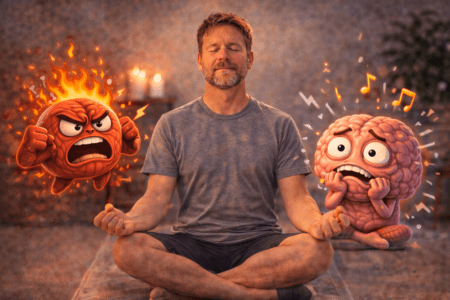
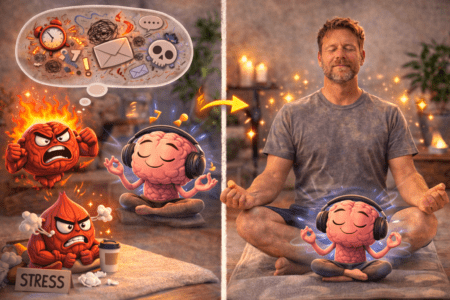
ItHurts Ouch Files: Mindfulness Edition Mindfulness: The Art of Sitting Still While Your Pain Screams for Attention Mindfulness helps reduce stress responses in the body and can lower pain sensitivity by calming the nervous system. Practicing awareness of breathing and body sensations can help break the cycle of tension and pain amplification. Pain often triggers anxiety and muscle tension, which can make discomfort feel more intense. Mindfulness encourages calm observation of sensations without reacting with fear or panic. This approach can help interrupt the cycle where stress increases physical pain. With regular practice, mindfulness can support relaxation, emotional resilience, and improved coping with ongoing discomfort. 3 Practical Mindfulness Techniques for Managing Pain 🧠 Observe Sensations Without Judgment Instead of resisting pain, calmly acknowledge what you feel. Label sensations such as tightness, warmth, or pressure without attaching fear or frustration to them. ⏱️ Focus on Short Time Windows Try focusing on your breath and body sensations for one minute at a time. Short periods of attention can help calm the mind and prevent overwhelming thoughts about pain. 🧍 Relax Areas of Unnecessary Tension Scan your body and gently release tight areas such as the jaw, shoulders, and hips. Reducing muscle tension can decrease the intensity of pain signals. The Honest Reality Mindfulness does not eliminate pain instantly, but it can change how the brain responds to discomfort. By calming the nervous system and reducing stress reactions, many people experience improved control over pain flare-ups. If it Hurts we can help. Join a community where people share real experiences and practical ways to live better with pain. Join the ItHurts Community Disclaimer: Enjoy the “Ouch Files” for the laughs and the lessons, but treat us like a supportive friend rather than a diagnostic tool. We aren’t doctors, and this content is not medical advice. Always consult a qualified healthcare professional for diagnosis and treatment of persistent symptoms.

MINDFUL WALKING: How to Stroll Like a Zen Legend Instead of a Human Lawsuit

ItHurts Ouch Files: Mindful Walking Edition 🦶🚶‍♂️ Mindful Walking: How to Stroll Like a Zen Legend Instead of a Human Lawsuit Mindful walking combines gentle movement with awareness of posture, breathing, and pace. Walking with intention can reduce joint stress, calm the nervous system, and help improve mobility while lowering everyday pain and stiffness. Walking is one of the most natural movements the human body performs, yet many people rush through it without noticing posture, breathing, or stride. Over time, rushed or poorly aligned walking can contribute to discomfort in the feet, knees, hips, and lower back. Mindful walking focuses on slowing down, improving body awareness, and using natural movement patterns to reduce strain. 3 Practical Mindful Walking Tips for Pain Relief 🐢 Slow Down Your Pace Walking slightly slower allows the body to move more efficiently. Gentle heel-to-toe steps and relaxed knees help reduce joint impact and improve stability. ���️ Maintain Balanced Posture Keep your head aligned above your shoulders and allow your shoulders to relax. Good posture distributes weight evenly across the body and reduces strain on the lower back and hips. 🫁 Coordinate Breathing With Steps Try inhaling for several steps and exhaling for the same number of steps. Rhythmic breathing helps calm the nervous system and reduces muscle tension during movement. The Honest Reality Mindful walking does not require special equipment or long sessions. Even a few minutes of intentional walking can help reduce stiffness, improve circulation, and support overall body awareness. If it Hurts we can help. Join a community where people share real experiences and practical ways to manage pain and improve movement. Join the ItHurts Community Disclaimer: Enjoy the “Ouch Files” for the laughs and the lessons, but treat us like a supportive friend rather than a diagnostic tool. We aren’t doctors, and this content is not medical advice. Always consult a qualified healthcare professional for diagnosis and treatment of persistent symptoms.

Meditation: Because Your Nervous System Is Tired of Your Nonsense

ItHurts Ouch Files: Meditation Edition Meditation: Because Your Nervous System Is Tired of Your Nonsense Meditation helps regulate the nervous system, reduce stress, and lower pain sensitivity. Even short, consistent sessions can help calm muscle tension and improve emotional resilience during pain flare-ups. Pain is influenced not only by physical conditions but also by the nervous system’s response to stress. When stress levels remain high, the body can stay in a constant “alert mode,” increasing muscle tension and amplifying pain signals. Meditation helps interrupt this stress response by encouraging slower breathing, relaxation, and greater awareness of the body. 3 Practical Meditation Techniques for Pain Relief 🧘 Start Small and Keep It Simple Meditation does not require long sessions. Even three minutes of slow breathing—inhale for four seconds and exhale for six seconds—can help calm the nervous system. 🧠 Acknowledge Sensations Without Resistance Instead of trying to ignore discomfort, observe sensations calmly. Describing the feeling mentally (tight, warm, sharp, or dull) can help reduce the emotional stress response associated with pain. ⏱️ Use Short “Micro-Meditations” Throughout the Day Taking a few slow breaths during routine moments—such as waiting in line or before sleep—can gradually train the body to respond to stress with calm rather than tension. The Honest Reality Meditation does not remove pain instantly, but regular practice can reduce the intensity of pain signals and improve emotional resilience. Over time, calming the nervous system can make pain easier to manage. If it Hurts we can help. Join a supportive community where people share real experiences and practical strategies for living with pain. Join the ItHurts Community Disclaimer: Enjoy the “Ouch Files” for the laughs and the lessons, but treat us like a supportive friend rather than a diagnostic tool. We aren’t doctors, and this content is not medical advice. Always consult a qualified healthcare professional for diagnosis and treatment of persistent symptoms.

Massage Therapy: When a Stranger Fixes Your Pain Better Than Your Entire Personality Ever Could

ItHurts Ouch Files: Massage Therapy Edition Massage Therapy: When a Stranger Fixes Your Pain Better Than Your Entire Personality Ever Could Massage therapy helps reduce muscle tension, improve circulation, and calm the nervous system. Regular sessions combined with healthy movement habits can help relieve stress-related pain and improve mobility. Muscle tension often develops from repetitive posture, stress, and limited movement. Massage therapy applies controlled pressure to soft tissues, helping improve circulation, reduce muscle tightness, and promote relaxation throughout the body. While massage can provide short-term relief, combining it with healthy movement habits helps extend its benefits. 3 Practical Ways to Use Massage Therapy for Pain Relief 🧠 Schedule Massage as Maintenance, Not Just Emergency Relief Regular sessions help manage muscle tension before it turns into severe discomfort. Consistent massage can support circulation and tissue mobility over time. 💪 Communicate Clearly With Your Therapist Let your massage therapist know where pain is located, how it feels, and whether the pressure is comfortable. Communication helps ensure the treatment is both effective and safe. 🧩 Combine Massage With Gentle Movement Light stretching, walking, or mobility exercises after a massage can help maintain the improvements in tissue flexibility and circulation. The Honest Reality Massage therapy can reduce muscle tension and support relaxation, but long-term pain relief often involves a combination of movement, stress management, and healthy daily habits. If it Hurts we can help. Join a community where people share real experiences and practical strategies for managing pain. Join the ItHurts Community Disclaimer: Enjoy the “Ouch Files” for the laughs and the lessons, but treat us like a supportive friend rather than a diagnostic tool. We aren’t doctors, and this content is not medical advice. Always consult a qualified healthcare professional for diagnosis and treatment of persistent symptoms.