United States
Afghanistan
Albania
Algeria
Andorra
Angola
Argentina
Armenia
Australia
Austria
Azerbaijan
Bahrain
Bangladesh
Barbados
Belarus
Belgium
Belize
Benin
Bhutan
Bolivia
Bosnia and Herzegovina
Botswana
Brazil
Brunei
Bulgaria
Burkina Faso
Burundi
Cambodia
Cameroon
Canada
Cape Verde
Central African Republic
Chad
Chile
China
Colombia
Comoros
Congo
Costa Rica
Croatia
Cuba
Cyprus
Czech Republic
Denmark
Djibouti
Dominican Republic
Ecuador
Egypt
El Salvador
Estonia
Ethiopia
Finland
France
Gabon
Gambia
Georgia
Germany
Ghana
Greece
Guatemala
Guinea
Guyana
Haiti
Honduras
Hungary
Iceland
India
Indonesia
Iran
Iraq
Ireland
Israel
Italy
Jamaica
Japan
Jordan
Kazakhstan
Kenya
Kuwait
Kyrgyzstan
Laos
Latvia
Lebanon
Lesotho
Liberia
Libya
Lithuania
Luxembourg
Madagascar
Malawi
Malaysia
Maldives
Mali
Malta
Mauritania
Mauritius
Mexico
Moldova
Mongolia
Montenegro
Morocco
Mozambique
Myanmar
Namibia
Nepal
Netherlands
New Zealand
Nicaragua
Niger
Nigeria
Norway
Oman
Pakistan
Panama
Paraguay
Peru
Philippines
Poland
Portugal
Qatar
Romania
Russia
Rwanda
Saudi Arabia
Senegal
Serbia
Singapore
Slovakia
Slovenia
South Africa
South Korea
Spain
Sri Lanka
Sudan
Sweden
Switzerland
Syria
Taiwan
Tajikistan
Tanzania
Thailand
Turkey
Turkmenistan
Uganda
Ukraine
United Arab Emirates
United Kingdom
United States
Uruguay
Uzbekistan
Venezuela
Vietnam
Yemen
Zambia
Zimbabwe

News

Ice, Fire, Repeat: Why Your Body Needs a Temperature Identity Crisis

ItHurts Ouch Files: Contrast Therapy Edition Ice, Fire, Repeat: Why Your Body Needs a Temperature Identity Crisis Contrast therapy alternates between heat and cold to stimulate circulation, reduce inflammation, and help the body recover from muscle tension and joint discomfort. When used properly, this method can support faster recovery and improve mobility. Contrast therapy works by rapidly switching between hot and cold temperatures. Heat helps relax tight muscles and increase blood flow, while cold reduces swelling and slows pain signals. Alternating between the two acts like a circulation pump that encourages fresh oxygen and nutrients to reach irritated tissues. Used correctly, this method can help reduce stiffness, calm inflammation, and support the body’s natural recovery process. 3 Practical Contrast Therapy Tips 🚿 Use the Contrast Shower Method Start with warm water for 2–3 minutes to relax muscles, then switch to cold water for 30–60 seconds. Repeat this cycle several times and finish with cold water. This temperature change encourages circulation and may help reduce muscle tension. 🔥❄️ Apply Heat and Cold to Specific Areas For joints or muscles that feel stiff or inflamed, apply a heating pad for about 10 minutes followed by a wrapped ice pack for 3–5 minutes. Repeat the cycle two to three times to encourage circulation and reduce swelling. ⏱️ Keep Sessions Short and Controlled Contrast therapy works best when used in short cycles rather than long exposures. This helps stimulate circulation without irritating sensitive tissues. The Honest Reality Contrast therapy can support recovery and reduce stiffness, but it works best when combined with proper rest, gentle movement, and professional medical advice when needed. Consistency and moderation are key. If it Hurts we can help. Connect with a community that understands pain and shares practical ways to manage it. Join the ItHurts Community Disclaimer: Enjoy the “Ouch Files” for the laughs and the lessons, but treat us like a supportive friend rather than a diagnostic tool. We aren’t doctors, and this content is not medical advice. Always consult a qualified healthcare professional for diagnosis and treatment of persistent symptoms.

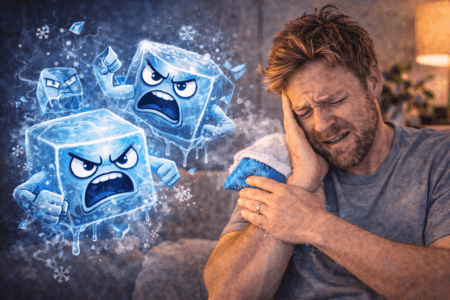
Ice, Ice… Maybe? How Freezing Yourself a Little Can Save Your Sanity (and Your Joints)

ItHurts Ouch Files: Cold Therapy Edition Ice, Ice… Maybe? How Freezing Yourself a Little Can Save Your Sanity (and Your Joints) Cold therapy (also known as cryotherapy) is a simple and widely used method to reduce swelling, calm irritated tissues, and temporarily numb pain signals. When applied properly, cold can help manage inflammation and provide short-term relief from certain types of pain. Cold therapy works by constricting blood vessels and slowing nerve signals in the affected area. This process can help reduce inflammation and temporarily dull the sensation of pain, making it a useful strategy during acute injuries or flare-ups. However, like most pain-management tools, using cold therapy correctly is important for both effectiveness and safety. 3 Practical Cold Therapy Tips for Pain Relief ❄️ Use Cold for Short, Controlled Intervals Apply cold packs for about 10–15 minutes at a time, with a cloth barrier between the ice and your skin. Allow the skin to return to normal temperature before repeating the treatment. 🧊 Match Cold Therapy to the Type of Pain Cold therapy is most helpful for swelling, inflammation, or recent injuries. If pain is more related to stiffness or chronic muscle tension, heat therapy may sometimes be more appropriate. 🥶 Use Safe Cold Therapy Tools Reusable gel packs, cold wraps, or ice massage techniques can provide consistent cooling without exposing skin directly to ice for prolonged periods. The Honest Reality Cold therapy can provide temporary relief from swelling and inflammation, but it works best when used alongside other supportive habits such as proper rest, gentle movement, and professional medical guidance when needed. If it Hurts we can help. If pain or inflammation is affecting your daily life, connect with people who understand the experience. Join the ItHurts Community Disclaimer: Enjoy the “Ouch Files” for the laughs and the lessons, but treat us like a supportive friend rather than a diagnostic tool. We aren’t doctors, and this content is not medical advice. Always consult a qualified healthcare professional for diagnosis and treatment of persistent symptoms.

Your Brain Is Not a Villain — It’s Just Bad at Customer Service (How CBT Can Actually Reduce Pain)

ItHurts Ouch Files: Cognitive Behavioral Therapy Edition Your Brain Is Not a Villain — It’s Just Bad at Customer Service (How CBT Can Actually Reduce Pain) Cognitive Behavioral Therapy (CBT) is a practical psychological approach that helps people understand how thoughts, behaviors, and emotions influence pain perception. By reducing fear, stress, and catastrophic thinking, CBT can help lower the intensity and impact of chronic pain. Pain is not only a physical sensation. The brain interprets and reacts to those signals, sometimes amplifying them through fear, stress, or catastrophic thinking. Cognitive Behavioral Therapy helps people change those patterns so the nervous system stops treating every sensation like a crisis. CBT does not pretend pain isn’t real. Instead, it gives your brain better tools to respond calmly and constructively. 3 Practical CBT Strategies for Managing Pain 🧠 Challenge Catastrophic Thoughts When pain flares, notice the thoughts that appear. Ask yourself whether the thought is a fact or a fear, and try replacing it with a more balanced perspective. This reduces emotional stress and muscle tension that can worsen pain. 🪑 Gradually Reintroduce Activities Avoiding movement or activities can reinforce the brain’s belief that pain equals danger. Start with small, manageable activities and build confidence slowly to retrain your nervous system. 🧩 Respond Calmly to Pain Signals Instead of reacting with panic or frustration, acknowledge the sensation and redirect attention toward breathing, conversation, or another activity. Reducing fear responses helps lower pain sensitivity over time. The Honest Reality Cognitive Behavioral Therapy is not about ignoring pain or pretending everything is fine. It focuses on reducing the mental stress responses that amplify pain signals, allowing the nervous system to settle and function more normally. If it Hurts we can help. If pain has made you feel isolated or misunderstood, connect with a community that understands what you’re going through. Join the ItHurts Community Disclaimer: Enjoy the “Ouch Files” for the laughs and the lessons, but treat us like a supportive friend rather than a diagnostic tool. We aren’t doctors, and this content is not medical advice. Always consult a qualified healthcare professional for diagnosis and treatment of persistent symptoms.

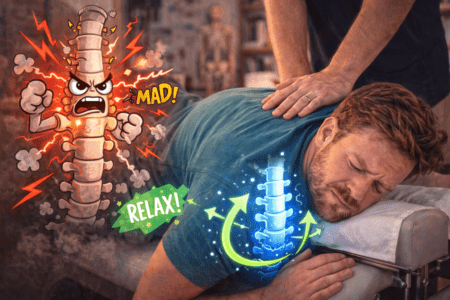
Chiropractic Care: The Art of Politely Asking Your Spine to Stop Being a Menace

ItHurts Ouch Files: Chiropractic Care Edition Chiropractic Care: The Art of Politely Asking Your Spine to Stop Being a Menace Chiropractic care focuses on improving spinal alignment, restoring joint mobility, and helping the body move with less pain and stiffness. When used as part of a broader recovery strategy, it can support better movement and overall function. If your back crackles louder than a bowl of cereal and your neck turns like a rusty hinge, your spine might be asking for attention. Chiropractic adjustments aim to restore joint movement and reduce mechanical stress on muscles and nerves. While adjustments are not a cure-all, they can help improve mobility and reduce tension when paired with healthy movement and posture habits. 3 Practical Chiropractic Tips for Pain Relief 🦴 Focus on Mobility, Not Miracles Chiropractic adjustments help restore joint movement and reduce stiffness. Set clear goals like improving neck rotation, reducing back tension, or addressing limited mobility. 🏃‍♂️ Support Adjustments with Movement After an adjustment, gentle movement, stretching, and posture improvements help your body maintain the changes and prevent stiffness from returning. 🧠 Choose an Educational Approach Look for practitioners who explain the cause of your discomfort and include strengthening, mobility exercises, and long-term strategies for improvement. The Honest Reality Chiropractic care is most effective when combined with other supportive habits such as regular movement, good posture, and stress management. Used responsibly, it can help improve comfort, mobility, and daily function. If it Hurts we can help. If pain or discomfort is affecting your daily life, connect with a community that understands. Join the ItHurts Community Disclaimer: Enjoy the “Ouch Files” for the laughs and the lessons, but treat us like a supportive friend rather than a diagnostic tool. We aren’t doctors, and this content is not medical advice. Always consult a qualified healthcare professional for diagnosis and treatment of persistent symptoms.

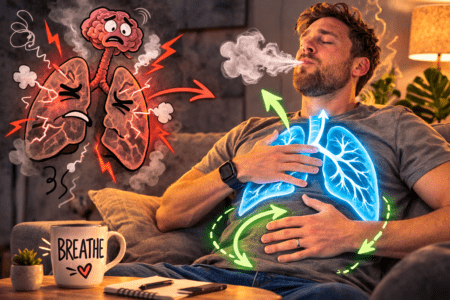
Your Lungs Are Ignoring You (And That’s Why You’re Still in Pain)

ItHurts Ouch Files: Breathing Exercises Edition Your Lungs Are Ignoring You (And That’s Why You’re Still in Pain) Breathing exercises can help calm the nervous system, reduce muscle tension, and improve the body’s response to stress. Simple breathing techniques can support relaxation and help manage certain types of pain. Many people breathe shallowly without realizing it, especially during periods of stress or discomfort. This pattern can keep the nervous system in a heightened alert state, which may contribute to muscle tension, headaches, and increased pain sensitivity. Practicing intentional breathing techniques can help regulate the nervous system, improve oxygen flow, and encourage the body to relax. 3 Practical Breathing Techniques for Pain Relief 🫁 Practice Diaphragmatic Breathing Place one hand on your chest and one on your abdomen. Breathe in slowly through your nose while allowing your abdomen to expand, then exhale slowly through your mouth. This method encourages deeper, calmer breathing patterns. 😮‍💨 Extend Your Exhale Inhale slowly for about four seconds and exhale for six to eight seconds. Longer exhales help activate the body’s relaxation response and may reduce tension and discomfort. 🧠 Use Mindful Breathing During Pain During moments of discomfort, focus on slow breathing and gently relaxing the muscles around the painful area. Intentional breathing can help shift attention away from stress signals and promote relaxation. The Honest Reality Breathing exercises are not a cure for every condition, but they can be a useful tool for managing stress and supporting the body’s natural relaxation response. Practiced regularly, they may help reduce tension and improve overall well-being. If it Hurts we can help. If pain, stress, or health concerns have taken over your search history, come find your people. Join the ItHurts Community Disclaimer: Enjoy the “Ouch Files” for the laughs and the lessons, but treat us like a supportive friend rather than a diagnostic tool. We aren’t doctors, and this content is not medical advice. Always consult a qualified healthcare professional for diagnosis and treatment of persistent symptoms.

Your Phone Is Gaslighting Your Nervous System: A Blue Light Horror Story (With a Happy Ending)

ItHurts Ouch Files: Blue Light Hygiene Edition Your Phone Is Gaslighting Your Nervous System: A Blue Light Horror Story Blue light from phones, tablets, and computers can affect sleep patterns, eye strain, and nervous system balance. Reducing nighttime screen exposure can help improve sleep quality and support pain management. Blue light is emitted by digital screens such as smartphones, tablets, computers, and televisions. During daytime hours, it can help regulate alertness. However, excessive exposure at night may interfere with melatonin production and disrupt sleep cycles. Poor sleep and increased nervous system stimulation can contribute to headaches, eye strain, tension, and increased pain sensitivity. 3 Practical Tips for Reducing Blue Light Exposure 🟦 Use Night Mode or Blue Light Filters Most devices include night mode or blue light filtering settings that shift the display toward warmer colors after sunset. Enabling this feature can help reduce nighttime eye strain and sleep disruption. 🤓 Consider Blue Light Filtering Glasses Blue light filtering glasses may help reduce digital eye strain during extended screen use. They can be particularly helpful for people who work on computers or use screens late in the evening. 🌙 Limit Screen Time Before Bed Reducing screen exposure 60–90 minutes before sleep can help support melatonin production and improve sleep quality. Replacing screen time with relaxing activities such as reading, listening to music, or gentle stretching may help the body wind down. The Honest Reality Technology is part of everyday life, but managing screen habits can support better sleep and reduce nervous system stress. Small changes in nighttime screen use can improve rest, reduce eye strain, and support overall well-being. If it Hurts we can help. If pain, stress, or sleep issues have taken over your search history, come find your people. Join the ItHurts Community Disclaimer: Enjoy the “Ouch Files” for the laughs and the lessons, but treat us like a supportive friend rather than a diagnostic tool. We aren’t doctors, and this content is not medical advice. Always consult a qualified healthcare professional for diagnosis and treatment of persistent symptoms.