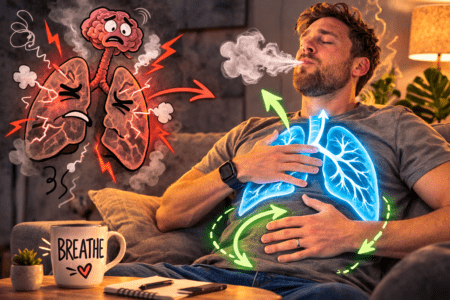
ItHurts Ouch Files: Breathing Exercises Edition Your Lungs Are Ignoring You (And That’s Why You’re Still in Pain) Breathing exercises can help calm the nervous system, reduce muscle tension, and improve the body’s response to stress. Simple breathing techniques can support relaxation and help manage certain types of pain. Many people breathe shallowly without realizing it, especially during periods of stress or discomfort. This pattern can keep the nervous system in a heightened alert state, which may contribute to muscle tension, headaches, and increased pain sensitivity. Practicing intentional breathing techniques can help regulate the nervous system, improve oxygen flow, and encourage the body to relax. 3 Practical Breathing Techniques for Pain Relief 🫁 Practice Diaphragmatic Breathing Place one hand on your chest and one on your abdomen. Breathe in slowly through your nose while allowing your abdomen to expand, then exhale slowly through your mouth. This method encourages deeper, calmer breathing patterns. 😮💨 Extend Your Exhale Inhale slowly for about four seconds and exhale for six to eight seconds. Longer exhales help activate the body’s relaxation response and may reduce tension and discomfort. 🧠 Use Mindful Breathing During Pain During moments of discomfort, focus on slow breathing and gently relaxing the muscles around the painful area. Intentional breathing can help shift attention away from stress signals and promote relaxation. The Honest Reality Breathing exercises are not a cure for every condition, but they can be a useful tool for managing stress and supporting the body’s natural relaxation response. Practiced regularly, they may help reduce tension and improve overall well-being. If it Hurts we can help. If pain, stress, or health concerns have taken over your search history, come find your people. Join the ItHurts Community Disclaimer: Enjoy the “Ouch Files” for the laughs and the lessons, but treat us like a supportive friend rather than a diagnostic tool. We aren’t doctors, and this content is not medical advice. Always consult a qualified healthcare professional for diagnosis and treatment of persistent symptoms.
ItHurts Ouch Files: Blue Light Hygiene Edition Your Phone Is Gaslighting Your Nervous System: A Blue Light Horror Story Blue light from phones, tablets, and computers can affect sleep patterns, eye strain, and nervous system balance. Reducing nighttime screen exposure can help improve sleep quality and support pain management. Blue light is emitted by digital screens such as smartphones, tablets, computers, and televisions. During daytime hours, it can help regulate alertness. However, excessive exposure at night may interfere with melatonin production and disrupt sleep cycles. Poor sleep and increased nervous system stimulation can contribute to headaches, eye strain, tension, and increased pain sensitivity. 3 Practical Tips for Reducing Blue Light Exposure 🟦 Use Night Mode or Blue Light Filters Most devices include night mode or blue light filtering settings that shift the display toward warmer colors after sunset. Enabling this feature can help reduce nighttime eye strain and sleep disruption. 🤓 Consider Blue Light Filtering Glasses Blue light filtering glasses may help reduce digital eye strain during extended screen use. They can be particularly helpful for people who work on computers or use screens late in the evening. 🌙 Limit Screen Time Before Bed Reducing screen exposure 60–90 minutes before sleep can help support melatonin production and improve sleep quality. Replacing screen time with relaxing activities such as reading, listening to music, or gentle stretching may help the body wind down. The Honest Reality Technology is part of everyday life, but managing screen habits can support better sleep and reduce nervous system stress. Small changes in nighttime screen use can improve rest, reduce eye strain, and support overall well-being. If it Hurts we can help. If pain, stress, or sleep issues have taken over your search history, come find your people. Join the ItHurts Community Disclaimer: Enjoy the “Ouch Files” for the laughs and the lessons, but treat us like a supportive friend rather than a diagnostic tool. We aren’t doctors, and this content is not medical advice. Always consult a qualified healthcare professional for diagnosis and treatment of persistent symptoms.
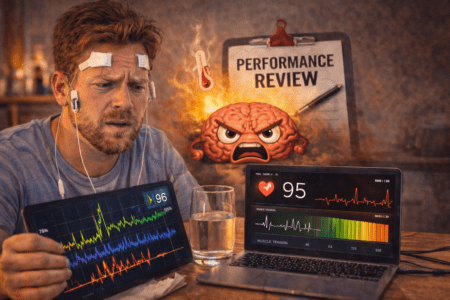
ItHurts Ouch Files: Biofeedback Edition Biofeedback: When Your Nervous System Gets a Performance Review Biofeedback is a technique that helps people learn how their bodies respond to stress, pain, and tension. By monitoring physical signals such as heart rate or muscle activity, individuals can practice ways to relax and better regulate their nervous system. Biofeedback uses sensors and monitoring tools to provide real-time information about how the body is functioning. This may include tracking heart rate, breathing patterns, muscle tension, or skin temperature. By seeing these signals, people can learn techniques to relax their body, regulate breathing, and reduce tension that may contribute to pain or stress-related symptoms. 3 Practical Tips for Using Biofeedback to Manage Pain 🧠 Focus on Your Body’s Strongest Signals Biofeedback can help identify patterns such as shallow breathing, muscle tension, or elevated heart rate. Learning to recognize and regulate these signals may help reduce stress-related pain responses. 🎯 Practice Consistently Short, regular biofeedback sessions—such as 5–10 minutes a day—can help train the body to respond differently to stress. Consistency often produces better results than occasional long sessions. 🔄 Use Biofeedback During Pain Episodes Biofeedback techniques can be used when discomfort begins. Monitoring breathing, muscle tension, or heart rate can help guide relaxation strategies that reduce the body’s stress response. The Honest Reality Biofeedback does not eliminate every source of pain, but it can be a helpful tool for learning how the body reacts to stress and tension. Over time, practicing these techniques may help improve relaxation, emotional regulation, and overall comfort. If it Hurts we can help. If pain, stress, or health concerns have taken over your search history, come find your people. Join the ItHurts Community Disclaimer: Enjoy the “Ouch Files” for the laughs and the lessons, but treat us like a supportive friend rather than a diagnostic tool. We aren’t doctors, and this content is not medical advice. Always consult a qualified healthcare professional for diagnosis and treatment of persistent or worsening symptoms.
ItHurts Ouch Files: Anti-Inflammatory Diet Edition Your Immune System Is Not Mad at You—It’s Just Dramatic An anti-inflammatory diet focuses on foods that help reduce chronic inflammation in the body. Balanced nutrition can support joint comfort, energy levels, and overall well-being. Inflammation is part of the body’s natural defense system, but chronic inflammation can contribute to joint pain, fatigue, digestive issues, and other health concerns. Dietary habits play a major role in how much inflammation circulates through the body. Making small, sustainable changes to daily eating habits can help support the body’s natural balance and reduce inflammatory stress. 3 Practical Tips for Following an Anti-Inflammatory Diet 🥑 Reduce Highly Processed Foods Limiting foods high in refined sugars, trans fats, and heavily processed ingredients may help reduce inflammation and support better energy levels throughout the day. 🐟 Add Anti-Inflammatory Foods Foods rich in omega-3 fatty acids and antioxidants—such as fatty fish, olive oil, leafy greens, berries, and spices like turmeric—may help support healthy inflammatory responses. 🥦 Support Gut Health Including fiber-rich foods and fermented products like yogurt, kefir, or sauerkraut can help support a healthy gut microbiome, which plays an important role in regulating inflammation. The Honest Reality Diet alone cannot eliminate every source of pain, but healthier eating patterns can support the body’s recovery processes. Small improvements in nutrition can contribute to reduced inflammation, improved digestion, and better overall wellness. If it Hurts we can help. If pain, fatigue, or health concerns have taken over your search history, come find your people. Join the ItHurts Community Disclaimer: Enjoy the “Ouch Files” for the laughs and the lessons, but treat us like a supportive friend rather than a diagnostic tool. We aren’t doctors, and this content is not medical advice. Always consult a qualified healthcare professional before making significant dietary changes, especially if you have medical conditions.
ItHurts Ouch Files: Alcohol Moderation Edition Your Hangover Isn’t the Problem—Your “Just One More” Is Alcohol can affect sleep, hydration, and inflammation levels in the body. Practicing moderation can help reduce pain flare-ups, improve recovery, and support overall health. Alcohol is widely used for social and recreational purposes, but excessive drinking can contribute to inflammation, poor sleep quality, dehydration, and increased pain sensitivity. For people already dealing with chronic pain, headaches, joint stiffness, or fatigue, alcohol can intensify symptoms. Moderating alcohol intake and supporting the body with hydration and rest can help reduce pain flare-ups and improve recovery. 3 Practical Tips for Healthier Alcohol Moderation 🍺 Pace Your Drinking Limiting alcohol intake and drinking slowly allows the body more time to process alcohol. Eating before or during drinking can also help reduce the impact on the body. 💧 Stay Hydrated Alcohol can contribute to dehydration, which may worsen headaches, muscle soreness, and fatigue. Drinking water between alcoholic beverages can help maintain hydration and reduce next-day discomfort. 🛌 Protect Your Sleep Alcohol can interfere with deep sleep, which is essential for recovery and pain regulation. Reducing alcohol intake in the hours before bedtime may help improve sleep quality and overall recovery. The Honest Reality Moderating alcohol consumption does not mean eliminating social enjoyment—it means helping the body function more comfortably. Balanced habits, hydration, and adequate sleep can reduce inflammation and support long-term health. If it Hurts we can help. If pain, fatigue, or health concerns have taken over your search history, come find your people. Join the ItHurts Community Disclaimer: Enjoy the “Ouch Files” for the laughs and the lessons, but treat us like a supportive friend rather than a diagnostic tool. We aren’t doctors, and this content is not medical advice. Always consult a qualified healthcare professional for medical concerns or if alcohol use is affecting your health.
ItHurts Ouch Files: Aerobic Exercise Edition Cardio Is Not the Enemy—Your Couch Is Just a Very Convincing Liar Aerobic exercise can help improve circulation, reduce stiffness, and support long-term pain management. When done gently and consistently, it can help the body move more comfortably and improve overall well-being. Aerobic exercise refers to low-to-moderate intensity activities that raise the heart rate and increase oxygen circulation throughout the body. Activities like walking, cycling, swimming, or light dancing can help support joint mobility, muscle function, and overall cardiovascular health. For many people living with chronic pain or stiffness, gentle aerobic movement can gradually help reduce discomfort and improve the body’s ability to tolerate activity. 3 Practical Tips for Using Cardio to Support Pain Relief 🚶 Start With Low-Impact Movement Begin with simple activities such as walking, stationary cycling, or water-based exercises. Starting slowly allows the body to adapt while reducing the risk of pain flare-ups. 😮💨 Focus on Controlled Breathing Maintaining steady breathing during movement can help support the nervous system and prevent unnecessary tension. Slow breathing can also help improve endurance and relaxation during exercise. 🏁 Stop Before Overexertion Consistency matters more than intensity. Ending a session before fatigue or discomfort becomes severe helps build a sustainable routine and reduces the likelihood of pain flares. The Honest Reality Aerobic exercise does not require extreme effort or athletic performance to be beneficial. Gentle, regular movement can gradually improve circulation, reduce stiffness, and support overall physical and mental health. If it Hurts we can help. If pain, stiffness, or movement challenges have taken over your search history, come find your people. Join the ItHurts Community Disclaimer: Enjoy the “Ouch Files” for the laughs and the lessons, but treat us like a supportive friend rather than a diagnostic tool. We aren’t doctors, and this content is not medical advice. Always consult a qualified healthcare professional before starting any new exercise program, especially if you have ongoing pain or medical conditions.
Afghanistan
Albania
Algeria
Andorra
Angola
Argentina
Armenia
Australia
Austria
Azerbaijan
Bahrain
Bangladesh
Barbados
Belarus
Belgium
Belize
Benin
Bhutan
Bolivia
Bosnia and Herzegovina
Botswana
Brazil
Brunei
Bulgaria
Burkina Faso
Burundi
Cambodia
Cameroon
Canada
Cape Verde
Central African Republic
Chad
Chile
China
Colombia
Comoros
Congo
Costa Rica
Croatia
Cuba
Cyprus
Czech Republic
Denmark
Djibouti
Dominican Republic
Ecuador
Egypt
El Salvador
Estonia
Ethiopia
Finland
France
Gabon
Gambia
Georgia
Germany
Ghana
Greece
Guatemala
Guinea
Guyana
Haiti
Honduras
Hungary
Iceland
India
Indonesia
Iran
Iraq
Ireland
Israel
Italy
Jamaica
Japan
Jordan
Kazakhstan
Kenya
Kuwait
Kyrgyzstan
Laos
Latvia
Lebanon
Lesotho
Liberia
Libya
Lithuania
Luxembourg
Madagascar
Malawi
Malaysia
Maldives
Mali
Malta
Mauritania
Mauritius
Mexico
Moldova
Mongolia
Montenegro
Morocco
Mozambique
Myanmar
Namibia
Nepal
Netherlands
New Zealand
Nicaragua
Niger
Nigeria
Norway
Oman
Pakistan
Panama
Paraguay
Peru
Philippines
Poland
Portugal
Qatar
Romania
Russia
Rwanda
Saudi Arabia
Senegal
Serbia
Singapore
Slovakia
Slovenia
South Africa
South Korea
Spain
Sri Lanka
Sudan
Sweden
Switzerland
Syria
Taiwan
Tajikistan
Tanzania
Thailand
Turkey
Turkmenistan
Uganda
Ukraine
United Arab Emirates
United Kingdom
United States
Uruguay
Uzbekistan
Venezuela
Vietnam
Yemen
Zambia
Zimbabwe