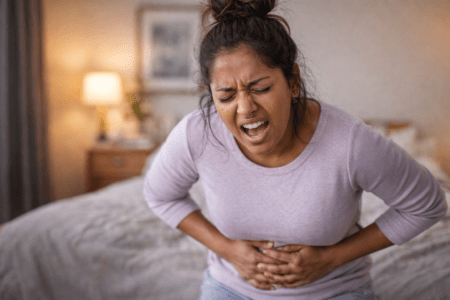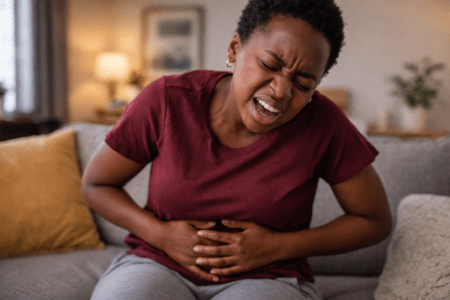
ItHurts Ouch Files: PCOS Edition PCOS: When Your Ovaries Start a Side Hustle Without Asking You Polycystic Ovary Syndrome (PCOS) is a hormonal condition that can cause pelvic pain, irregular cycles, bloating, and metabolic changes. Symptoms vary, but they can significantly impact daily comfort and overall health. PCOS doesn’t follow a predictable script. Symptoms can come and go, shift over time, and affect both your body and your energy levels in unexpected ways. If you’re dealing with pelvic pain, bloating, or hormonal fluctuations, you’re not imagining it—and you’re not alone. The focus isn’t on “pushing through.” It’s on managing symptoms in a way that supports your body and reduces discomfort. 3 Practical Ways to Manage PCOS Pain 🔥 Support Hormonal Balance Through Nutrition Focus on balanced meals with protein, fiber, and healthy fats. Stable blood sugar levels can help reduce inflammation and hormonal fluctuations. 🧘♀️ Choose Gentle, Consistent Movement Incorporate low-impact activities like walking or yoga to improve circulation and reduce stress without overwhelming your body. 😴 Prioritize Sleep and Recovery Maintain consistent sleep habits and create a calm environment to support hormonal balance and reduce pain sensitivity. The Recovery Reality PCOS is a long-term condition, but that doesn’t mean symptoms can’t be managed. Small, consistent changes often lead to meaningful improvements over time. You’re not being dramatic—you’re responding to real physical changes. And with the right approach, relief is possible. If it Hurts we can help. Join a supportive community where people share real experiences, strategies, and encouragement—without judgment. Join the ItHurts Community Disclaimer: Enjoy the “Ouch Files” for the laughs and the lessons, but treat us like a supportive friend rather than a diagnostic tool. We aren’t doctors, and this content is not medical advice. Always consult a qualified healthcare professional for diagnosis and treatment of persistent symptoms.
ItHurts Ouch Files: Ovarian Cyst Pain Edition Your Ovary Is Throwing a Rage Party (And Nobody Invited You) Ovarian cyst pain can cause pelvic discomfort, bloating, and pressure, sometimes appearing suddenly and affecting daily movement. While many cysts are harmless, persistent or severe pain should be medically evaluated. Ovarian cyst pain can feel intense, unpredictable, and hard to ignore. It may come and go or suddenly disrupt your routine, making simple activities uncomfortable. If your lower abdomen feels heavy, sore, or unusually painful, it’s not something to dismiss. Your body is signaling that something needs attention. The goal isn’t to ignore the pain—it’s to manage it and respond in a way that supports healing. 3 Practical Ways to Ease Ovarian Cyst Pain 🔥 Use Heat Therapy Apply a heating pad or hot water bottle to the lower abdomen for short intervals. Heat helps relax muscles and reduce cramping. 🥗 Reduce Inflammation Through Diet Incorporate anti-inflammatory foods and reduce processed or high-sugar items to help minimize bloating and discomfort. 🚶 Stay Gently Active Engage in light movement such as walking or gentle stretching to improve circulation and reduce stiffness. When to Seek Help If pain is sudden, severe, persistent, or accompanied by symptoms like fever, vomiting, or dizziness, it’s important to seek medical care immediately. The Recovery Reality Ovarian cyst pain can be challenging, but it is often manageable with the right approach and care. You’re not overreacting—you’re responding to real discomfort. And taking that seriously is the first step toward relief. If it Hurts we can help. Join a supportive community where people share real experiences, coping strategies, and encouragement—without judgment. Join the ItHurts Community Disclaimer: Enjoy the “Ouch Files” for the laughs and the lessons, but treat us like a supportive friend rather than a diagnostic tool. We aren’t doctors, and this content is not medical advice. Always consult a qualified healthcare professional for diagnosis and treatment of persistent symptoms.
ItHurts Ouch Files: Ovarian Pain Edition Your Ovaries Are Not Being “Dramatic”—They’re Sending a Group Text You Shouldn’t Ignore Ovarian pain can present as pelvic discomfort, bloating, or pressure and may be linked to a range of conditions, including serious concerns like ovarian cancer. Persistent or unusual symptoms should always be evaluated by a medical professional. Ovarian pain doesn’t always show up loudly. It can feel subtle at first—like bloating that lingers, pressure that doesn’t go away, or discomfort that feels easy to dismiss. If something feels “off,” that matters. Listening to your body is not overreacting—it’s awareness. This is about understanding symptoms, taking them seriously, and responding with clarity instead of doubt. 3 Practical Ways to Respond to Ovarian Pain 🧠 Track Symptoms Clearly Keep a record of pain patterns, intensity, timing, and triggers. Clear information helps healthcare providers assess your condition more accurately. 🧘 Reduce Physical Tension Use gentle breathing, relaxation techniques, and heat therapy to reduce muscle tension and ease discomfort. 🍽️ Support Digestive Comfort Eat smaller meals, stay hydrated, and avoid foods that increase bloating to reduce pressure in the abdominal area. Why This Matters Persistent pelvic pain, bloating, or changes in appetite are not symptoms to ignore. Early attention can make a significant difference in identifying and managing underlying conditions. The Recovery Reality You’re not being dramatic—you’re responding to signals your body is sending. Paying attention to those signals is a form of self-care and self-respect. Support, information, and timely care can help you move forward with more confidence and control. If it Hurts we can help. Join a supportive community where people share experiences, knowledge, and encouragement—without judgment. Join the ItHurts Community Disclaimer: Enjoy the “Ouch Files” for the laughs and the lessons, but treat us like a supportive friend rather than a diagnostic tool. We aren’t doctors, and this content is not medical advice. Always consult a qualified healthcare professional for diagnosis and treatment of persistent symptoms.
Why Do My Nipples Feel Personally Attacked? A Survival Guide for the Most Dramatic Dots on Your Body
ItHurts Ouch Files: Nipple Pain Edition Why Do My Nipples Feel Personally Attacked? A Survival Guide for the Most Dramatic Dots on Your Body Nipple pain can be caused by friction, dryness, hormonal changes, or skin irritation. While often temporary, it can be uncomfortable enough to interfere with daily activities and overall comfort. Nipple pain can appear suddenly and feel surprisingly intense, even without any obvious cause. Simple actions like wearing clothes or moving around can become uncomfortable. If you’re experiencing this, you’re not overreacting. Nipple sensitivity and pain are common—and in many cases, manageable with the right adjustments. The key is understanding what’s triggering the irritation and taking steps to reduce it. 3 Practical Ways to Reduce Nipple Pain 🔥 Reduce Friction Switch to soft, breathable fabrics and avoid rough seams. For extra protection, consider using a barrier like a balm or protective covering during high-friction activities. 💧 Keep Skin Hydrated Use gentle cleansing methods and apply fragrance-free moisturizers to maintain the skin barrier and prevent dryness or cracking. 🧠 Consider Hormonal Factors Track when pain occurs and use supportive garments or cooling techniques if sensitivity is linked to hormonal changes. When to Seek Help If pain is persistent, severe, one-sided, or accompanied by discharge, redness, or skin changes, it’s important to consult a healthcare professional for proper evaluation. The Recovery Reality Nipple pain can feel intense, but it’s often temporary and manageable. Small changes in daily habits can make a noticeable difference. You’re not being dramatic—you’re responding to real discomfort. And relief is possible with the right approach. If it Hurts we can help. Join a supportive community where people share real experiences, solutions, and encouragement—without judgment. Join the ItHurts Community Disclaimer: Enjoy the “Ouch Files” for the laughs and the lessons, but treat us like a supportive friend rather than a diagnostic tool. We aren’t doctors, and this content is not medical advice. Always consult a qualified healthcare professional for diagnosis and treatment of persistent symptoms.
ItHurts Ouch Files: Mastitis Edition Mastitis: When Your Boob Chooses Violence and Calls It “Motherhood” Mastitis is a painful inflammation of breast tissue, often associated with breastfeeding. It can cause swelling, redness, fever, and flu-like symptoms, making everyday activities and feeding extremely uncomfortable. Breastfeeding is often described as natural—but that doesn’t mean it’s always easy. Mastitis can feel intense, overwhelming, and physically draining, affecting both your body and your energy levels. If your breast feels painful, swollen, or sensitive—and you’re also feeling unwell—you’re not overreacting. You’re dealing with a real condition that needs care and attention. The good news is that there are practical ways to reduce discomfort and support healing. 3 Practical Ways to Ease Mastitis Pain 🍼 Keep Milk Flowing Continue breastfeeding or pumping regularly and gently massage the affected area. Keeping milk moving helps reduce blockage and inflammation. ❄️ Use Cold Therapy Apply cold packs after feeding to reduce swelling and pain. Use warmth only briefly before feeding if needed to encourage flow. 💊 Rest and Hydrate Allow your body to recover by resting, staying hydrated, and following any medical advice for pain relief or treatment. When to Seek Help If symptoms persist beyond a couple of days, worsen, or include fever and severe discomfort, it’s important to consult a healthcare professional. Early treatment can prevent complications. The Recovery Reality Mastitis can feel intense, but it’s manageable with the right approach. You’re not weak for needing rest—you’re responding to what your body needs. Recovery takes time, care, and support—and you deserve all three. If it Hurts we can help. Join a supportive community where people share real experiences, advice, and encouragement—without judgment. Join the ItHurts Community Disclaimer: Enjoy the “Ouch Files” for the laughs and the lessons, but treat us like a supportive friend rather than a diagnostic tool. We aren’t doctors, and this content is not medical advice. Always consult a qualified healthcare professional for diagnosis and treatment of persistent symptoms.
ItHurts Ouch Files: Interstitial Cystitis Edition Your Bladder Is Gaslighting You: A Survival Guide to Interstitial Cystitis Interstitial Cystitis (IC) is a chronic condition characterized by bladder pain, pressure, and urinary urgency or frequency without an obvious infection. It can significantly impact daily life, comfort, and emotional well-being. When your bladder hurts whether it’s full, empty, or minding its own business, it’s not “just stress.” It’s a real condition that affects how you move through your day. Interstitial Cystitis can feel unpredictable, frustrating, and exhausting—but you are not imagining it, and you are not alone. This isn’t about ignoring the pain. It’s about understanding it—and learning how to manage it more effectively. 3 Practical Ways to Reduce Bladder Pain 🔥 Adjust Your Diet to Reduce Irritation Limit bladder irritants like caffeine, alcohol, and acidic foods. Focus on gentle, low-irritation foods to help calm symptoms during flare-ups. 🧠 Calm the Nervous System Practice slow breathing, reduce stress, and avoid unnecessary muscle tension. Relaxation techniques can help reduce urgency and discomfort. 🩺 Advocate for Proper Care Track symptoms, identify triggers, and consult healthcare professionals for personalized treatment options. Finding the right support can make a significant difference. The Recovery Reality IC is a chronic condition, but that doesn’t mean you’re powerless. With the right strategies and support, symptoms can become more manageable over time. You’re not overreacting—you’re responding to real pain. And that deserves attention, care, and understanding. If it Hurts we can help. Join a supportive community where people share real experiences, coping strategies, and encouragement—without judgment. Join the ItHurts Community Disclaimer: Enjoy the “Ouch Files” for the laughs and the lessons, but treat us like a supportive friend rather than a diagnostic tool. We aren’t doctors, and this content is not medical advice. Always consult a qualified healthcare professional for diagnosis and treatment of persistent symptoms.
Afghanistan
Albania
Algeria
Andorra
Angola
Argentina
Armenia
Australia
Austria
Azerbaijan
Bahrain
Bangladesh
Barbados
Belarus
Belgium
Belize
Benin
Bhutan
Bolivia
Bosnia and Herzegovina
Botswana
Brazil
Brunei
Bulgaria
Burkina Faso
Burundi
Cambodia
Cameroon
Canada
Cape Verde
Central African Republic
Chad
Chile
China
Colombia
Comoros
Congo
Costa Rica
Croatia
Cuba
Cyprus
Czech Republic
Denmark
Djibouti
Dominican Republic
Ecuador
Egypt
El Salvador
Estonia
Ethiopia
Finland
France
Gabon
Gambia
Georgia
Germany
Ghana
Greece
Guatemala
Guinea
Guyana
Haiti
Honduras
Hungary
Iceland
India
Indonesia
Iran
Iraq
Ireland
Israel
Italy
Jamaica
Japan
Jordan
Kazakhstan
Kenya
Kuwait
Kyrgyzstan
Laos
Latvia
Lebanon
Lesotho
Liberia
Libya
Lithuania
Luxembourg
Madagascar
Malawi
Malaysia
Maldives
Mali
Malta
Mauritania
Mauritius
Mexico
Moldova
Mongolia
Montenegro
Morocco
Mozambique
Myanmar
Namibia
Nepal
Netherlands
New Zealand
Nicaragua
Niger
Nigeria
Norway
Oman
Pakistan
Panama
Paraguay
Peru
Philippines
Poland
Portugal
Qatar
Romania
Russia
Rwanda
Saudi Arabia
Senegal
Serbia
Singapore
Slovakia
Slovenia
South Africa
South Korea
Spain
Sri Lanka
Sudan
Sweden
Switzerland
Syria
Taiwan
Tajikistan
Tanzania
Thailand
Turkey
Turkmenistan
Uganda
Ukraine
United Arab Emirates
United Kingdom
United States
Uruguay
Uzbekistan
Venezuela
Vietnam
Yemen
Zambia
Zimbabwe