ItHurts Ouch Files: Laryngitis Edition Laryngitis: When Your Voice Quits Without Giving Two Weeks’ Notice Inflamed vocal cords can cause hoarseness, throat discomfort, and temporary voice loss. Most cases improve with proper voice care and rest. Laryngitis occurs when the vocal cords become inflamed, often leading to hoarseness, throat discomfort, or temporary voice loss. This condition is commonly triggered by viral infections, vocal strain, allergies, or acid reflux. When the vocal cords become swollen or irritated, speaking can become difficult or uncomfortable. Rest and supportive care often help the voice recover more quickly. 3 Practical Tips That May Help Support Laryngitis Recovery 🤐 Rest Your Voice Limiting talking allows inflamed vocal cords time to heal. Avoid whispering, which can strain the voice even more, and use written or typed communication when possible. 💧 Stay Well Hydrated Drinking water and warm liquids helps keep the throat moist and reduces irritation. Using a humidifier can also help maintain moisture in the air. 🔥 Address Underlying Triggers Laryngitis may occur due to viral infections, acid reflux, allergies, or vocal overuse. Identifying and managing these triggers may help reduce recurring symptoms. With proper care, most cases of laryngitis improve within a short period. Persistent or worsening symptoms should always be evaluated by a healthcare professional. If it Hurts we can help. If pain has taken over your sleep, your mood, or your search history, come find your people. Join the ItHurts Community Disclaimer: Enjoy the “Ouch Files” for the laughs and the lessons, but treat us like a witty friend rather than a diagnostic tool. We aren’t doctors, and this content is not medical advice. If laryngitis lasts longer than two to three weeks, causes difficulty breathing or swallowing, or worsens significantly, consult a qualified healthcare professional.
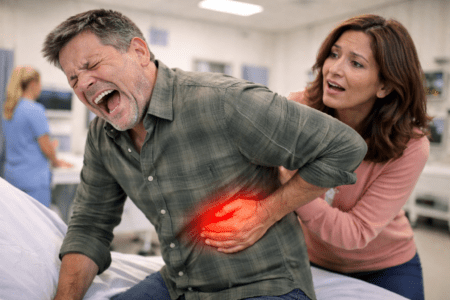
ItHurts Ouch Files: Kidney Stones Edition Kidney Stones: When Your Body Decides to Smuggle Gravel Through a Straw Kidney stones are small mineral deposits that form in the kidneys but can cause intense pain when they travel through the urinary tract. Kidney stones form when minerals and salts in the urine crystallize and combine into small, hard deposits inside the kidneys. When these stones move through the urinary tract, they can cause severe pain that often begins in the lower back or side. The discomfort may radiate toward the abdomen or groin as the stone travels through the urinary system. While the experience can be frightening, supportive care and prevention strategies can help reduce the risk of future episodes. 3 Practical Tips That May Help Manage Kidney Stones 💧 Stay Consistently Hydrated Drinking water regularly throughout the day helps dilute minerals in urine before they can form crystals. Many healthcare professionals recommend maintaining pale-yellow or clear urine as a sign of good hydration. 🧂 Reduce Excess Sodium Intake High sodium intake can increase calcium levels in urine, which may contribute to kidney stone formation. Limiting processed foods and monitoring salt intake may help maintain a healthier mineral balance. 🚶 Gentle Movement May Help Stones Pass Light movement such as short walks or changing positions may help smaller stones move through the urinary tract more efficiently instead of remaining lodged in place. Kidney stones can cause severe discomfort, but early medical evaluation and proper prevention strategies can help reduce complications and future risk. If it Hurts we can help. If pain has taken over your sleep, your mood, or your search history, come find your people. Join the ItHurts Community Disclaimer: Enjoy the “Ouch Files” for the laughs and the lessons, but treat us like a witty friend rather than a diagnostic tool. We aren’t doctors, and this content is not medical advice. Kidney stones can cause serious complications. If you experience severe pain, fever, vomiting, or difficulty urinating, seek medical care immediately.
ItHurts Ouch Files: Ingrown Toenail Edition Ingrown Toenail Pain: When One Tiny Nail Causes Big Trouble Ingrown toenails occur when the edge of a toenail grows into the surrounding skin instead of outward. This can cause redness, swelling, tenderness, and pain while walking or wearing shoes. Ingrown toenails are a common foot problem that often develops from tight footwear, improper nail trimming, or repeated pressure on the toes. When the nail grows into the surrounding skin, the body reacts with inflammation and irritation. Although ingrown toenails can be painful, early care and simple preventive habits may help relieve discomfort and prevent the issue from worsening. 3 Practical Tips That May Help Reduce Ingrown Toenail Pain 🦶 Soften the Nail With Warm Soaks Soaking the affected foot in warm water for 10–15 minutes can help soften the nail and surrounding skin. This may reduce swelling and relieve pressure on the irritated area. 👟 Choose Comfortable Footwear Tight or narrow shoes can place pressure on the toes and worsen ingrown toenails. Shoes with a wider toe box and soft materials allow the toes more space and reduce irritation while the area heals. ✂️ Trim Toenails Properly Cutting toenails straight across instead of rounding the edges can help guide the nail to grow outward rather than into the skin. Avoid cutting nails too short or digging into the corners. Most ingrown toenails improve with simple home care. However, persistent pain, swelling, or signs of infection should be evaluated by a healthcare professional. If it Hurts we can help. If pain has taken over your sleep, your mood, or your search history, come find your people. Join the ItHurts Community Disclaimer: Enjoy the “Ouch Files” for the laughs and the lessons, but treat us like a witty friend rather than a diagnostic tool. We aren’t doctors, and this content is not medical advice. If an ingrown toenail becomes severely painful, infected, or does not improve with home care, consult a qualified healthcare professional.
ItHurts Ouch Files: Ingrown Hair Edition Ingrown Hair Pain: When One Hair Decides to Rebel Ingrown hairs occur when a hair curls back or grows sideways into the skin instead of rising outward. This can lead to redness, swelling, irritation, and small painful bumps on the skin. Ingrown hairs are a common skin issue that often appear after shaving, waxing, or other hair removal methods. When hair becomes trapped beneath the surface of the skin, inflammation and discomfort may develop. Although ingrown hairs can be irritating, simple skin-care adjustments may help reduce both pain and the likelihood of future occurrences. 3 Practical Tips That May Help Reduce Ingrown Hair Pain 🧼 Exfoliate Regularly Dead skin cells can block hair follicles and trap hairs beneath the surface of the skin. Gentle exfoliation using chemical exfoliants such as salicylic or glycolic acid may help clear follicles and allow hairs to grow outward normally. 🪒 Improve Your Shaving Technique Using a clean, sharp razor and shaving in the direction of hair growth can reduce irritation and lower the risk of hairs curling back into the skin. Applying shaving cream or gel also helps reduce friction during hair removal. 🌿 Calm Irritated Skin If an ingrown hair becomes inflamed, warm compresses and soothing products such as aloe vera or niacinamide may help reduce redness and discomfort. Wearing loose clothing can also prevent additional friction on the affected area. Ingrown hairs are usually temporary and often resolve on their own. Supporting healthy skin and minimizing irritation can significantly reduce discomfort and recurrence. If it Hurts we can help. If pain has taken over your sleep, your mood, or your search history, come find your people. Join the ItHurts Community Disclaimer: Enjoy the “Ouch Files” for the laughs and the lessons, but treat us like a witty friend rather than a diagnostic tool. We aren’t doctors, and this content is not medical advice. If ingrown hairs become severely painful, infected, or spread to surrounding skin, consult a qualified healthcare professional.
ItHurts Ouch Files: Irritable Bowel Syndrome Edition Your Gut Is Not “Sensitive.” It’s a Drama Influencer. Irritable Bowel Syndrome (IBS) can cause bloating, abdominal cramps, changes in bowel habits, and sudden digestive discomfort. Although the symptoms can feel unpredictable, many people manage IBS successfully with lifestyle and dietary adjustments. IBS is a functional digestive disorder that affects how the intestines move and respond to certain foods, stress, and lifestyle factors. Symptoms may include abdominal pain, gas, bloating, diarrhea, constipation, or alternating bowel habits. Although IBS can feel frustrating and unpredictable, understanding personal triggers and maintaining supportive routines can significantly reduce flare-ups for many people. 3 Practical Tips That May Help Manage IBS Symptoms 🥗 Identify Personal Food Triggers Certain foods can trigger digestive symptoms in some people with IBS. Common triggers may include dairy products, onions, garlic, highly processed foods, or certain sweeteners. Tracking meals and symptoms may help identify patterns. 🧘 Support the Gut–Brain Connection The digestive system is closely connected to the nervous system. Stress, anxiety, and poor sleep can increase digestive sensitivity. Relaxation practices such as deep breathing, walking, stretching, or meditation may help calm symptoms. ⏰ Maintain Consistent Daily Habits Regular meal times, adequate hydration, and responding promptly to bathroom urges can help train the digestive system to function more smoothly. IBS affects millions of people worldwide. While symptoms may fluctuate, many individuals learn to manage their condition successfully through awareness of triggers, supportive habits, and professional guidance when needed. If it Hurts we can help. If pain has taken over your sleep, your mood, or your search history, come find your people. Join the ItHurts Community Disclaimer: Enjoy the “Ouch Files” for the laughs and the lessons, but treat us like a witty friend rather than a diagnostic tool. We aren’t doctors, and this content is not medical advice. If you experience severe abdominal pain, unexplained weight loss, persistent digestive symptoms, or other concerning signs, consult a qualified healthcare professional.
ItHurts Ouch Files: Hernia Edition Hernia: When Your Belly Decides to Push the Limits A hernia occurs when internal tissue pushes through a weakened area of muscle, often creating a noticeable bulge and discomfort. Activities like lifting, coughing, or bending can make symptoms more noticeable. Hernias commonly develop in the abdomen or groin when a portion of tissue pushes through a weakened section of muscle. While some hernias cause mild discomfort, others may produce noticeable pain, pressure, or a visible bulge that becomes more pronounced during physical activity. Although medical evaluation is important for long-term treatment, certain lifestyle adjustments may help reduce discomfort and prevent additional strain. 3 Practical Tips That May Help Reduce Hernia Discomfort 🧠 Avoid Excessive Core Straining Tightening the abdominal muscles too aggressively can increase pressure on the weakened area. Practicing controlled breathing and gentle abdominal engagement during movement may help reduce strain. 🧺 Use Safe Lifting Techniques When lifting objects, keep them close to your body, bend at the knees and hips, and exhale during effort. Avoid twisting motions that may increase abdominal pressure. 🩹 Consider Support During Physical Activity Some people benefit from wearing a hernia support belt during activities that place strain on the abdomen. Proper fit and guidance from a healthcare professional can help ensure safe use. While supportive habits can help manage symptoms, hernias generally do not heal without medical treatment. Monitoring symptoms and seeking medical advice when necessary is important for long-term care. If it Hurts we can help. If pain has taken over your sleep, your mood, or your search history, come find your people. Join the ItHurts Community Disclaimer: Enjoy the “Ouch Files” for the laughs and the lessons, but treat us like a witty friend rather than a diagnostic tool. We aren’t doctors, and this content is not medical advice. Hernias can become serious if untreated. If pain becomes severe, persistent, or is accompanied by nausea, fever, or a bulge that cannot be pushed back in, seek medical attention immediately.
Afghanistan
Albania
Algeria
Andorra
Angola
Argentina
Armenia
Australia
Austria
Azerbaijan
Bahrain
Bangladesh
Barbados
Belarus
Belgium
Belize
Benin
Bhutan
Bolivia
Bosnia and Herzegovina
Botswana
Brazil
Brunei
Bulgaria
Burkina Faso
Burundi
Cambodia
Cameroon
Canada
Cape Verde
Central African Republic
Chad
Chile
China
Colombia
Comoros
Congo
Costa Rica
Croatia
Cuba
Cyprus
Czech Republic
Denmark
Djibouti
Dominican Republic
Ecuador
Egypt
El Salvador
Estonia
Ethiopia
Finland
France
Gabon
Gambia
Georgia
Germany
Ghana
Greece
Guatemala
Guinea
Guyana
Haiti
Honduras
Hungary
Iceland
India
Indonesia
Iran
Iraq
Ireland
Israel
Italy
Jamaica
Japan
Jordan
Kazakhstan
Kenya
Kuwait
Kyrgyzstan
Laos
Latvia
Lebanon
Lesotho
Liberia
Libya
Lithuania
Luxembourg
Madagascar
Malawi
Malaysia
Maldives
Mali
Malta
Mauritania
Mauritius
Mexico
Moldova
Mongolia
Montenegro
Morocco
Mozambique
Myanmar
Namibia
Nepal
Netherlands
New Zealand
Nicaragua
Niger
Nigeria
Norway
Oman
Pakistan
Panama
Paraguay
Peru
Philippines
Poland
Portugal
Qatar
Romania
Russia
Rwanda
Saudi Arabia
Senegal
Serbia
Singapore
Slovakia
Slovenia
South Africa
South Korea
Spain
Sri Lanka
Sudan
Sweden
Switzerland
Syria
Taiwan
Tajikistan
Tanzania
Thailand
Turkey
Turkmenistan
Uganda
Ukraine
United Arab Emirates
United Kingdom
United States
Uruguay
Uzbekistan
Venezuela
Vietnam
Yemen
Zambia
Zimbabwe