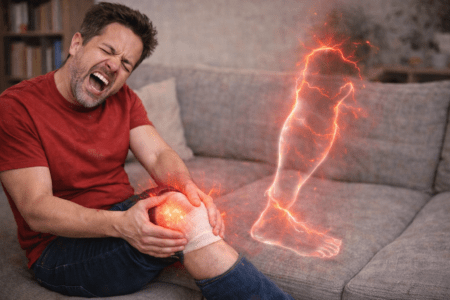
ItHurts Ouch Files: Phantom Limb Pain Edition Your Limb Is Gone. Your Pain Didn’t Get the Memo. Phantom limb pain occurs when the nervous system continues sending pain signals from a limb that is no longer present. Phantom limb pain happens when the brain’s internal map of the body continues to send signals from a limb that has been amputated. The nervous system remembers the limb and sometimes misfires pain signals, creating sensations like burning, stabbing, or electric shocks. 3 Evidence-Based Ways to Reduce Phantom Limb Pain 🪞 Mirror Therapy Using a mirror to reflect the healthy limb can visually “replace” the missing limb for the brain. This may help retrain neural pathways and reduce pain signals. 🧠 Sensory Re-training Gentle tapping, texture exposure, and controlled breathing around the residual limb can help retrain nerves and reduce hypersensitive signaling. ⚡ External Stimulation Tools such as TENS units, heat, cold therapy, or gentle massage can help interrupt pain signals and provide temporary relief. The Honest Reality Phantom limb pain is real and neurological in origin. While it may not disappear completely, many people find meaningful relief through therapy, nerve retraining, and supportive medical care. If it Hurts we can help. If pain has taken over your sleep, your mood, or your search history, come find your people. Join the ItHurts Community Disclaimer: Enjoy the “Ouch Files” for the laughs and the lessons, but treat us like a witty friend rather than a diagnostic tool. We aren’t doctors, and this content is not medical advice. Phantom limb pain should always be discussed with a qualified healthcare professional.
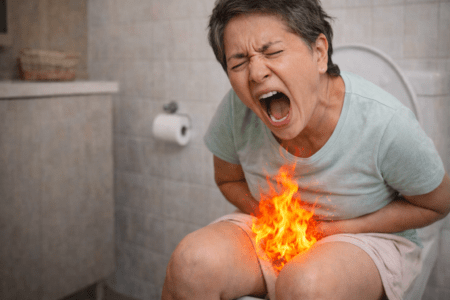
ItHurts Ouch Files: Pelvic Pain Edition Pelvic Pain: When Your Body Declares War on Sitting, Standing, Sneezing, and Existing Pelvic pain can interfere with everyday movements and often involves muscles, joints, or nerves in the lower abdomen and pelvis. Pelvic pain can arise from muscle tension, joint irritation, nerve sensitivity, or inflammation in surrounding tissues. Because many muscles and nerves converge in the pelvis, even small changes in posture, movement, or stress levels can amplify discomfort. 3 Practical Ways to Reduce Pelvic Tension 1️⃣ Relax the Pelvic Floor Slow breathing exercises that allow the abdomen and pelvic floor to soften may reduce chronic muscle tension and improve circulation. 2️⃣ Improve Sitting Alignment Sit with hips slightly higher than knees, feet flat on the floor, and use a small cushion if needed to reduce pressure on pelvic structures. 3️⃣ Use Gentle Movement Short walks, light hip mobility exercises, and gentle stretching may help calm the nervous system and prevent stiffness from building. The Honest Reality Pelvic pain is complex and can have multiple causes. Early evaluation and supportive care can help prevent long-term discomfort and improve quality of life. If it Hurts we can help. If pain has taken over your sleep, your mood, or your search history, come find your people. Join the ItHurts Community Disclaimer: Enjoy the “Ouch Files” for the laughs and the lessons, but treat us like a witty friend rather than a diagnostic tool. We aren’t doctors, and this content is not medical advice. Persistent pelvic pain should always be evaluated by a qualified healthcare professional.
ItHurts Ouch Files: Pelvic Floor Pain Edition Your Pelvic Floor Is Not “Chill” — It’s Just Quietly Furious Pelvic floor pain often hides in plain sight. Sitting, standing, laughing, or sneezing suddenly feels uncomfortable because the muscles supporting the pelvis are under constant tension. The pelvic floor is a group of muscles that support organs, stabilize the core, and coordinate with breathing and posture. When these muscles stay tight for long periods, they can become painful and overly sensitive. Learning to relax and rebalance these muscles is often the first step toward relief. 3 Practical Ways to Help Calm Pelvic Floor Pain 🫁 Practice Relaxed Breathing Slow deep breathing allows the pelvic floor to lengthen and relax. Inhale through your nose and let your abdomen expand, then exhale slowly while allowing tension to release. 🚽 Improve Bathroom Habits Avoid straining during bowel movements. Elevating your feet slightly and allowing the body to relax can reduce pressure on pelvic muscles. 🧘 Focus on Coordinated Core Movement Gentle core exercises, hip mobility, and proper posture help the pelvic floor work together with surrounding muscles instead of compensating for them. The Honest Reality Pelvic floor pain is common and treatable. With proper awareness, relaxation techniques, and supportive movement, many people experience meaningful improvement over time. If it Hurts we can help. If pain has taken over your sleep, your mood, or your search history, come find your people. Join the ItHurts Community Disclaimer: Enjoy the “Ouch Files” for the laughs and the lessons, but treat us like a witty friend rather than a diagnostic tool. We aren’t doctors, and this content is not medical advice. Persistent pelvic floor pain should be evaluated by a qualified healthcare professional.
ItHurts Ouch Files: Painful Urination Edition When Pee Feels Like Betrayal Burning or stinging during urination can turn a simple bathroom break into an uncomfortable experience. It often signals irritation, dehydration, or inflammation in the urinary system. Painful urination can occur when the bladder or urinary tract becomes irritated. Dehydration, infections, and exposure to irritating products are some of the most common causes. Supporting your urinary system and reducing irritation can help ease symptoms while your body heals. 3 Practical Ways to Help Reduce Burning Urination 💧 Stay Well Hydrated Drinking enough water dilutes urine and helps flush irritants from the urinary tract, reducing burning and discomfort during urination. 🧼 Avoid Irritating Hygiene Products Fragranced soaps, sprays, and wipes can irritate sensitive tissues. Switching to mild, fragrance-free products may help reduce inflammation. 🧠 Pay Attention to Persistent Symptoms Burning that continues for several days or is accompanied by urgency, fever, or unusual discharge should be evaluated by a healthcare professional. The Honest Reality Painful urination is common and often temporary, but persistent symptoms should never be ignored. Early evaluation can help identify the cause and prevent complications. If it Hurts we can help. If pain has taken over your sleep, your mood, or your search history, come find your people. Join the ItHurts Community Disclaimer: Enjoy the “Ouch Files” for the laughs and the lessons, but treat us like a witty friend rather than a diagnostic tool. We aren’t doctors, and this content is not medical advice. Persistent painful urination should always be evaluated by a qualified healthcare professional.
ItHurts Ouch Files: Muscle Pain Edition Muscle Pain: When Your Body Ghosts You After Literally Nothing You didn’t run a marathon. You didn’t lift a refrigerator. Yet somehow your muscles have decided today is the day they file a formal complaint. Muscle pain can appear after overuse, poor posture, minor strain, or simply inadequate recovery. When muscles are irritated or fatigued, they tighten and become sensitive, making everyday movements uncomfortable. The good news is that simple recovery strategies can help calm irritated muscles and restore normal movement. 3 Practical Ways to Help Reduce Muscle Pain 🛌 Prioritize Rest and Recovery Your muscles repair and rebuild during rest. Adequate sleep, short breaks during the day, and rotating activities prevent overloading the same muscle groups repeatedly. 🚶 Use Gentle Movement Light stretching, short walks, and slow mobility exercises improve circulation and reduce stiffness. Gentle movement helps muscles relax instead of remaining tight and guarded. 🔥❄️ Use Heat or Cold Therapy Heat works well for tight or stiff muscles, while cold therapy can help reduce inflammation after strain. Choosing the right method can significantly reduce discomfort. The Honest Reality Muscle pain is usually a signal that your body needs recovery, movement balance, or better support. Listening to those signals early can prevent minor soreness from turning into longer-term pain. If it Hurts we can help. If pain has taken over your sleep, your mood, or your search history, come find your people. Join the ItHurts Community Disclaimer: Enjoy the “Ouch Files” for the laughs and the lessons, but treat us like a witty friend rather than a diagnostic tool. We aren’t doctors, and this content is not medical advice. If muscle pain becomes severe, persistent, or follows an injury, seek medical advice from a qualified professional.
ItHurts Ouch Files: Mouth Pain Edition Your Mouth Has Betrayed You: A Survival Guide for When Eating Feels Like a Contact Sport Mouth pain can turn everyday actions like eating, talking, or smiling into uncomfortable challenges. Mouth pain can arise from many sources—gum irritation, ulcers, jaw tension, tooth problems, or inflammation. Because the mouth contains many sensitive nerves, even minor irritation can feel intense. 3 Practical Ways to Reduce Mouth Pain 1️⃣ Reduce Jaw Tension Allow your teeth to rest apart, keep the tongue relaxed, and apply a warm compress along the jaw for 10–15 minutes to relax overworked muscles. 2️⃣ Switch to Gentle Foods During painful episodes, choose soft foods and lukewarm temperatures. Saltwater rinses can help soothe irritated tissues and support healing. 3️⃣ Calm the Nervous System Slow breathing exercises may reduce muscle tension and pain signaling, helping the jaw and facial muscles relax. The Honest Reminder Mouth pain can interfere with daily life, but persistent or worsening symptoms should always be evaluated by a dental or medical professional. If it Hurts we can help. If pain has taken over your sleep, your mood, or your search history, come find your people. Join the ItHurts Community Disclaimer: Enjoy the “Ouch Files” for the laughs and the lessons, but treat us like a witty friend rather than a diagnostic tool. We aren’t doctors or dentists, and this content is not medical advice. Persistent or severe mouth pain should always be evaluated by a qualified healthcare professional.
Afghanistan
Albania
Algeria
Andorra
Angola
Argentina
Armenia
Australia
Austria
Azerbaijan
Bahrain
Bangladesh
Barbados
Belarus
Belgium
Belize
Benin
Bhutan
Bolivia
Bosnia and Herzegovina
Botswana
Brazil
Brunei
Bulgaria
Burkina Faso
Burundi
Cambodia
Cameroon
Canada
Cape Verde
Central African Republic
Chad
Chile
China
Colombia
Comoros
Congo
Costa Rica
Croatia
Cuba
Cyprus
Czech Republic
Denmark
Djibouti
Dominican Republic
Ecuador
Egypt
El Salvador
Estonia
Ethiopia
Finland
France
Gabon
Gambia
Georgia
Germany
Ghana
Greece
Guatemala
Guinea
Guyana
Haiti
Honduras
Hungary
Iceland
India
Indonesia
Iran
Iraq
Ireland
Israel
Italy
Jamaica
Japan
Jordan
Kazakhstan
Kenya
Kuwait
Kyrgyzstan
Laos
Latvia
Lebanon
Lesotho
Liberia
Libya
Lithuania
Luxembourg
Madagascar
Malawi
Malaysia
Maldives
Mali
Malta
Mauritania
Mauritius
Mexico
Moldova
Mongolia
Montenegro
Morocco
Mozambique
Myanmar
Namibia
Nepal
Netherlands
New Zealand
Nicaragua
Niger
Nigeria
Norway
Oman
Pakistan
Panama
Paraguay
Peru
Philippines
Poland
Portugal
Qatar
Romania
Russia
Rwanda
Saudi Arabia
Senegal
Serbia
Singapore
Slovakia
Slovenia
South Africa
South Korea
Spain
Sri Lanka
Sudan
Sweden
Switzerland
Syria
Taiwan
Tajikistan
Tanzania
Thailand
Turkey
Turkmenistan
Uganda
Ukraine
United Arab Emirates
United Kingdom
United States
Uruguay
Uzbekistan
Venezuela
Vietnam
Yemen
Zambia
Zimbabwe