


Those first few steps
If you have plantar fasciitis, you probably know the moment well. You swing your legs out of bed, put your weight down, and a sharp, stabbing pain shoots through the bottom of your heel. You hobble the first few steps, holding onto the wall, and then after a few minutes it eases into a duller ache. The same thing can happen when you stand up after a long meeting or a drive.
That "first-step pain" is one of the most recognizable features of plantar fasciitis. This article focuses on that part of the day: why it happens, and the small routines that many people find make mornings easier. For the bigger picture, including causes, longer-term options and what a clinician may suggest, see our full plantar fasciitis and heel pain guide.
Why mornings are the worst
The plantar fascia is a thick band of tissue running from your heel to the base of your toes, supporting the arch. When it is irritated, it tends to tighten up during rest. Overnight, most people sleep with their feet pointed slightly downward, which lets the fascia and calf muscles shorten. The first steps then stretch that tissue suddenly, under your full body weight, which is why pain spikes and then eases as the tissue warms up and loosens.
A two-minute routine before you stand
Many people find a short sequence done while still sitting or lying in bed takes the edge off. Move gently and stop anything that causes sharp pain.
- Ankle pumps. Point your toes away, then pull them back toward you. Repeat slowly 10 to 20 times on each foot.
- Ankle circles. Draw slow circles with each foot, a few in each direction.
- Towel or strap stretch. Sitting up with your leg straight, loop a towel around the ball of your foot and gently draw your toes toward you until you feel a stretch in the arch and calf. Hold for about 20 to 30 seconds and repeat a few times.
- Toe pull-back. Cross the sore foot over your other knee and gently pull your toes back toward your shin with one hand, feeling a stretch along the arch.
- Foot massage. Rub the arch with your thumbs for a minute, avoiding pressing hard right on the most painful spot.
Set yourself up the night before
- Shoes by the bed. Keep supportive slippers, sandals with arch support, or your everyday supportive shoes right where your feet land, so you never take those first steps barefoot.
- Avoid hard floors barefoot. Tile and wood floors offer no cushioning; a soft rug by the bed helps if you must step down unshod.
- Gentle evening stretches. A few calf and arch stretches before bed can help some people wake up less stiff.
- Loosen the covers. Heavy, tightly tucked bedding can push your feet into a pointed position all night.
- Ask about a night splint. Some clinicians suggest a splint that holds the foot gently flexed overnight. They aren't for everyone, so it's worth discussing first.

Relief picks for heel pain
Hand-picked by ItHurts · an everyday option, a best overall and a clinical-grade upgrade
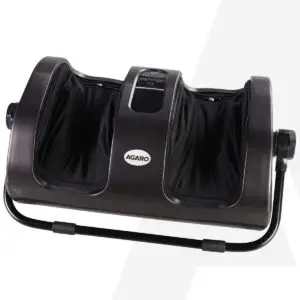

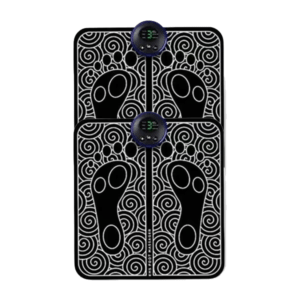
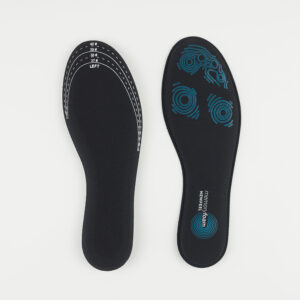





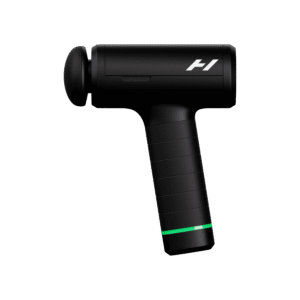


Some links are affiliate links. If you buy through them, ItHurts.com may earn a small commission at no extra cost to you.
The first half hour
Once you're up, try to keep the morning gentle on your heel. Take the first steps slowly, with your weight shared evenly. Sit down to dress and put on shoes rather than balancing on one foot. If you'll be standing in the kitchen or bathroom for a while, stand on a cushioned mat. Some people like to roll the arch over a cool water bottle for a few minutes after their morning routine, which can feel soothing.
If your work starts with a long commute or a shift on your feet, plan small breaks: flex your ankles under your desk or in the car at red lights, and repeat a brief calf stretch before standing up after any long sit.
The same trick for "mid-day mornings"
First-step pain doesn't only happen after sleep. Any long rest, whether a flight, a film or an afternoon at a desk, can lead to the same stiffness. Treat each one like a mini-morning: a few ankle pumps and a quick stretch before you rise often help.
When morning pain needs a closer look
- Pain that is getting worse over several weeks despite these habits
- Heel pain after a fall or jump, or sudden pain with a pop
- Swelling, redness or warmth in the heel, or fever
- Numbness, tingling or burning in the foot
- Being unable to put weight on the foot
- Pain in both heels with stiffness in other joints
- Diabetes or circulation problems with any new foot pain
A doctor, podiatrist or physical therapist can confirm the cause and help design a plan that fits your routine.
Keeping perspective
Plantar fasciitis often improves gradually, and the mornings are frequently the last part to settle. It can be disheartening to feel better by afternoon and then be back to hobbling the next day. Many people find it more encouraging to measure progress by how quickly the first-step pain fades rather than whether it's there at all. Tracking that for a week or two can show change you might otherwise miss.
The bottom line
First-step heel pain happens because the plantar fascia tightens with rest. A two-minute bedside routine, shoes waiting by the bed, cushioned surfaces and a little evening prep help many people take the sting out of mornings. Keep an eye on red flags, and get assessed if things aren't improving.
To get a clearer picture of your foot pain, try our free Pain Check-Up.
Compare morning routines
Our plantar fasciitis group is full of people sharing the stretches, slippers and small habits that got them through the first steps.
Join the Plantar Fasciitis GroupReviewed by the ItHurts editorial team · Last reviewed 18 October 2026 · General information, not medical advice. If you are worried about your symptoms, talk to a doctor.