


Burning, stinging, tender: how skin pain shows up
People describe skin pain in many ways. It can feel raw, like a sunburn when you have not been in the sun. It can sting when water touches it, itch and burn at the same time, or hurt so much that a light shirt or bedsheet feels unbearable. Sometimes there is an obvious rash. Sometimes the skin looks completely normal, which can be especially frustrating when others cannot see what you feel.
Your skin is packed with nerve endings that sense touch, temperature, itch and pain. That makes it an excellent early warning system, and also means many different problems, from the surface of the skin to the nerves beneath it, can cause it to hurt.
Where skin pain can come from
Problems on or in the skin
- Burns and sunburn, including from hot liquids, chemicals or friction.
- Eczema and contact dermatitis, where the skin barrier is irritated by allergens or harsh products.
- Infections, such as cellulitis (a bacterial skin infection), infected cuts, boils, and fungal infections.
- Shingles, a reactivation of the chickenpox virus that often starts with burning or tingling on one side of the body before a blistering rash appears.
- Hives and allergic reactions.
- Inflammatory skin conditions, such as psoriasis or hidradenitis suppurativa.
- Pressure, chafing and blisters from clothing, shoes or skin rubbing on skin.
Nerve-related skin pain
Sometimes the skin looks fine but the nerves that supply it are irritated or damaged. This can cause burning, electric or pins-and-needles sensations, or allodynia, where normally painless touch hurts. Possible causes include nerve damage linked to diabetes, pain lingering after shingles (postherpetic neuralgia), pinched nerves in the spine, and conditions such as fibromyalgia. Some people also notice skin sensitivity during migraine attacks.
Gentle care that many people find soothing
For mild, everyday skin irritation without warning signs, these steps are widely recommended:
- Cool, not cold. A cool compress or cool shower can calm hot, burning skin. For minor burns, cool running water for about 20 minutes is a common first-aid step. Do not put ice directly on the skin.
- Simplify products. Use fragrance-free, gentle cleansers and moisturizers. Introduce new products one at a time.
- Moisturize regularly. A bland, unscented moisturizer applied after washing helps support the skin barrier, especially in eczema.
- Pat, do not rub. Dry your skin gently after bathing.
- Keep baths and showers lukewarm and fairly short.
- Protect from the sun with clothing, shade and sunscreen suited to sensitive skin.
- Try not to scratch. Keeping nails short and pressing or cooling an itchy area instead can reduce damage.
Clothing, bedding and surroundings
When skin is sensitive, what touches it all day matters:
- Choose soft, breathable fabrics such as cotton, and look for flat seams or tagless clothing.
- Wash new clothes before wearing them, and use a fragrance-free laundry detergent.
- Loose-fitting layers can reduce friction and pressure.
- Keep your bedroom comfortably cool, since heat and sweat often worsen burning and itching.
- Use a humidifier in dry indoor air if your skin cracks easily.

Relief picks for sore skin
Hand-picked by ItHurts · an everyday option, a best overall and a clinical-grade upgrade
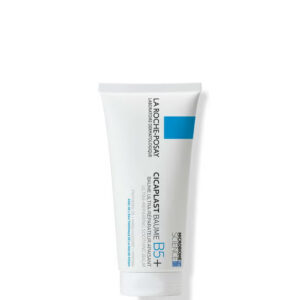
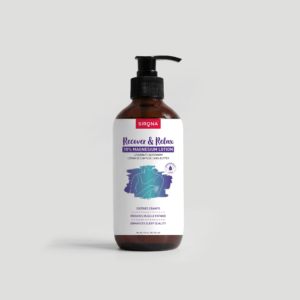
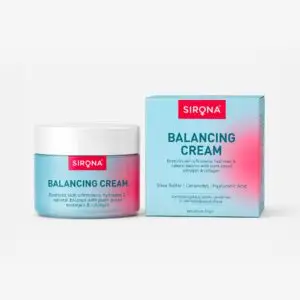
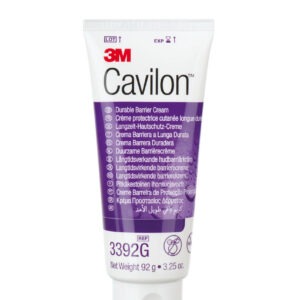
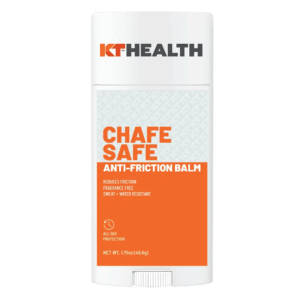
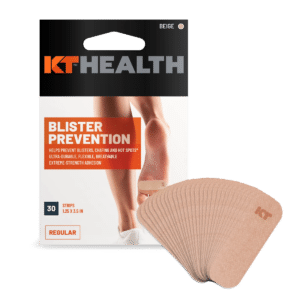
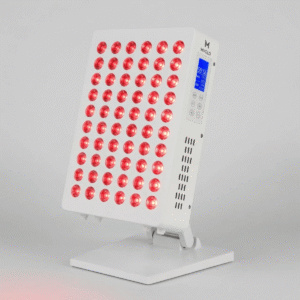

Some links are affiliate links. If you buy through them, ItHurts.com may earn a small commission at no extra cost to you.
When skin pain needs urgent attention
Call your local emergency number for: swelling of the face, lips or tongue, trouble breathing or swallowing, or a widespread rash with feeling faint. These may be signs of a severe allergic reaction.
Get same-day medical care for:
- Red, hot, swollen and increasingly painful skin, especially if the redness is spreading or you have a fever
- Pain that seems far worse than the skin looks, particularly after a wound, which can rarely signal a serious deep infection
- A painful blistering rash in a band on one side of the body or face, especially near the eye (possible shingles, where early care matters)
- Large or deep burns, burns on the face, hands, feet or genitals, or any chemical or electrical burn
- A rash with blisters, peeling skin or sores in the mouth or eyes, especially after starting a new medicine
- A purple or dark rash that does not fade when pressed, with feeling unwell
Make a routine appointment if skin pain or sensitivity lasts more than a couple of weeks, keeps returning, comes with numbness or weakness, or affects your sleep and daily life.
Getting answers
A doctor or dermatologist will usually look at your skin, ask how the pain feels and when it started, and check for patterns such as a link to products, heat, or particular activities. Bringing photos of flare-ups is helpful, since rashes can come and go. If nerve pain is suspected, they may check sensation and reflexes or arrange further tests. Options vary widely depending on the cause, so getting the right explanation is the first step. It is also worth mentioning any new medicines, supplements, skin products or recent illnesses, since these can all play a part.
Living with sensitive or painful skin
Ongoing skin pain affects sleep, clothing choices, intimacy, work and self-confidence. Many people say the invisible kind is the hardest, because it is easy to feel disbelieved. Keeping a simple diary of flares, triggers and what helped can make appointments more productive and help you notice progress. It is also worth being kind to yourself on bad days, and asking for understanding from people around you.
Final word
Skin pain can come from the skin itself or from the nerves beneath it. Gentle products, cool compresses, soft clothing and moisturizing help many people with everyday irritation. Spreading redness, fever, a band-like blistering rash, serious burns or signs of an allergic reaction need prompt care, and lingering skin pain deserves a proper look.
The free Pain Check-Up can help you describe your symptoms clearly. To connect with others, browse the skin, burns and wound support groups.
Find People Who Understand
Our skin pain group is a place to share routines, products to avoid, and encouragement.
Join the Skin Pain GroupReviewed by the ItHurts editorial team · Last reviewed 18 October 2026 · General information, not medical advice. If you are worried about your symptoms, talk to a doctor.