


The kind of stress that doesn't switch off
Some stress is short and useful. A deadline sharpens your focus, a near miss in traffic makes you brake faster, and then your body settles back down. The trouble starts when the settling never quite happens. Bills, caregiving, a job that never lets up, health worries, a relationship under strain: when pressure keeps arriving before the last wave has passed, your body can stay in a low-level state of alert for weeks or months.
People living in that state often describe it in physical terms rather than emotional ones. "My shoulders are up by my ears." "My stomach is always in a knot." "I'm exhausted but I can't sleep." If that sounds familiar, you are not imagining it, and you are not weak. Long-running stress is a real load on the body.
What is going on inside
When your brain senses a threat, it triggers the stress response. Hormones such as adrenaline and cortisol rise, your heart beats faster, your breathing quickens, and your muscles tighten, ready to act. Digestion and other "maintenance" jobs are put on hold. This is helpful for a short burst.
When the response is switched on again and again, without enough recovery in between, the effects can build up. Commonly reported signs include:
- Tension in the jaw, neck, shoulders or upper back, sometimes with tension-type headaches
- Trouble falling asleep, waking at 3 a.m. with a busy mind, or waking unrefreshed
- Stomach upset, changes in appetite, or bowel habits that shift with your mood
- Feeling irritable, tearful or numb, and snapping at people you care about
- Difficulty concentrating, forgetfulness, or feeling scattered
- Leaning more on caffeine, alcohol, sugar or scrolling to get through the day
Stress can also make existing pain feel louder. Many people with back pain, migraine or fibromyalgia notice flare-ups during hard stretches of life. That doesn't mean the pain is "all in your head." It means the nervous system and pain system are closely linked.
Small habits that help the body stand down
There is no single fix, and you don't need to overhaul your life overnight. What tends to help is giving your body regular, reliable signals that it is safe to relax. Pick one or two of these and try them for a couple of weeks before judging them.
- Slow your breathing on purpose. Breathing in gently through the nose and out for a little longer than you breathed in is a simple way many people use to take the edge off. A few minutes, a few times a day, is enough to start.
- Move, gently and often. A short walk, stretching, yoga or easy cycling helps burn off some of the stress chemistry. Regular movement tends to matter more than intensity.
- Protect your sleep window. Keep a roughly steady bedtime and wake time, dim screens in the last hour, and keep the bedroom cool and dark.
- Put the worry somewhere. Writing down what is on your mind, or making a short list for tomorrow, can quiet the late-night replay.
- Cut down the background noise. Limit doom-scrolling and constant news alerts. Check in at set times instead.
- Eat and drink with some rhythm. Regular meals and staying hydrated make energy dips and irritability less extreme. Notice whether caffeine late in the day affects your sleep.
- Say no to one thing. If your plate is overflowing, removing even one commitment can lower the pressure more than any relaxation trick.
Picks to help you unwind
Hand-picked by ItHurts · an everyday option, a best overall and a clinical-grade upgrade





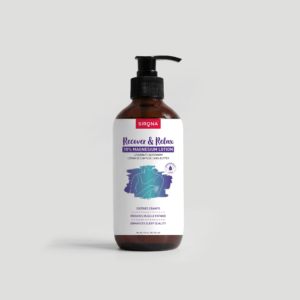

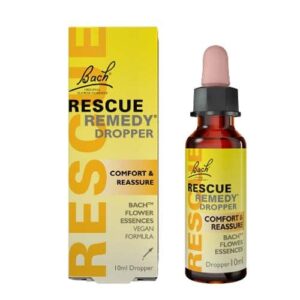

Some links are affiliate links. If you buy through them, ItHurts.com may earn a small commission at no extra cost to you.
Spotting your own stress signals
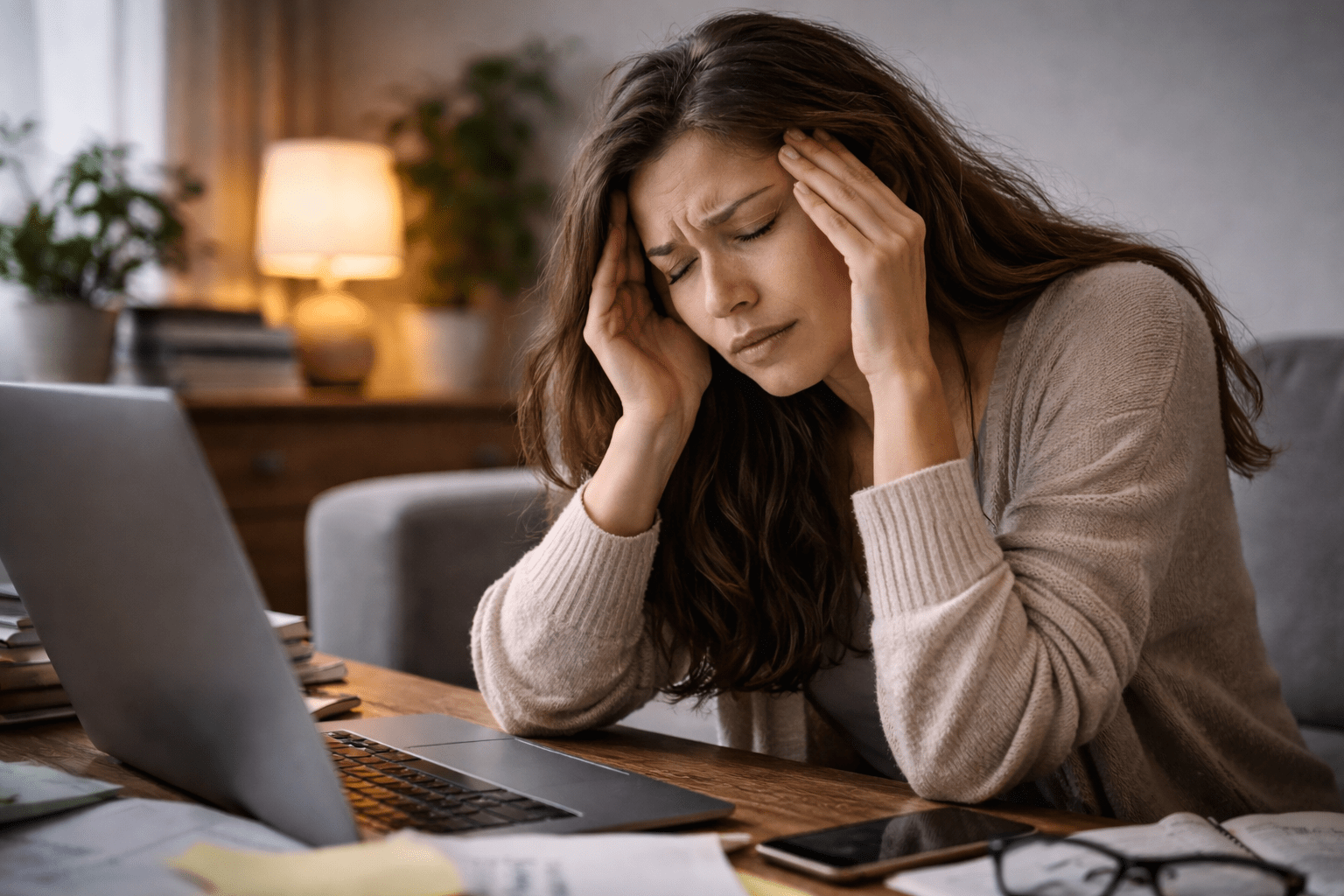
Everyone has a personal early-warning pattern. For one person it is a clenched jaw on the morning commute. For another it is skipping lunch, or lying awake rehearsing conversations. Learning your own signs gives you a chance to step in sooner, before you are running on empty.
A simple way to do this is a quick check-in once or twice a day: How tense is my body right now? How did I sleep? What am I worried about? You don't have to solve anything in that moment. Noticing is the first step, and it makes the patterns easier to see over time.
When stress needs more than self-care
Self-help has limits. It is worth talking to a doctor, counselor or therapist if:
- Sleep problems or exhaustion have lasted more than a few weeks
- You are having panic attacks or near-constant anxiety
- You feel low, hopeless or flat most days
- You are struggling to manage work, home or relationships
- You are relying more on alcohol or other substances to cope
- You have new physical symptoms you can't explain
Some physical symptoms should not be put down to stress without being checked. Get urgent medical help for chest pain or pressure, sudden shortness of breath, fainting, or a sudden severe headache. A doctor can also look for things that mimic or worsen stress, such as thyroid problems or side effects from medicines.
If you are thinking about harming yourself or feel you can't go on, please reach out now. In the US, call or text 988 to reach the 988 Suicide & Crisis Lifeline, any time of day. Outside the US, call your local emergency number or a local crisis line.
Living with a stressful season
Sometimes the source of stress can't be removed quickly. A sick parent, a tough job market or a long recovery doesn't end because you started a breathing routine. In those seasons, the goal shifts from "get rid of stress" to "carry it with more support."
That can mean asking for practical help, sharing the load with family, or simply having one person you can be honest with. Many people find it helps to talk with others in the same situation, because they skip the explaining and get straight to what works. It also helps to lower the bar for yourself: on a hard day, doing the basics is enough.
Recovery from long-term stress is usually gradual. You may notice that you sleep a little better first, or that your shoulders drop a bit more often. Those small changes count.
The bottom line
Chronic stress keeps the body on alert, and that can show up as pain, poor sleep, stomach trouble and a short fuse. Regular, gentle signals of safety, such as slower breathing, movement, steady sleep and fewer demands, help many people feel calmer over time. If stress is affecting your health, mood or daily life, you deserve professional support, and help is available right now if you are in crisis.
You don't have to carry it alone
Take the free ItHurts Pain Check-Up to make sense of what your body is telling you, or meet others working through stress and burnout in our emotional and mental health groups.
Find a Support GroupReviewed by the ItHurts editorial team · Last reviewed 18 October 2026 · General information, not medical advice. If you are worried about your symptoms, talk to a doctor.