


The sting nobody mentions
It is a hot afternoon, you have walked further than planned, and by the time you get home the skin between your thighs feels raw and burns in the shower. Or you finish a long run and discover stinging red patches under your arms or along your sports bra line. Chafing is incredibly common, rarely talked about, and can make walking, exercising or even sitting uncomfortable for days.
The good news is that chafing is usually easy to prevent once you know your own triggers, and mild cases tend to settle within a few days with gentle care.
What chafing actually is
Chafing is irritation of the skin caused by repeated rubbing, either skin against skin or skin against clothing. Moisture makes it much worse. Sweat softens the outer layer of skin and makes it easier to damage, and as sweat dries it can leave salt crystals that act like fine sandpaper.
The result can range from mild redness and stinging to raw, broken skin that weeps or bleeds. Damaged skin is more vulnerable to infection, which is why chafing deserves attention even though it seems minor.
Common hot spots and triggers
- Inner thighs, especially in skirts, dresses or shorts on warm days
- Underarms, from arm swing during running or walking
- Under and between the breasts and along bra bands and straps
- Nipples, a well-known problem for distance runners
- Groin and buttocks, especially for cyclists
- Neck and waistband areas, from collars, seams and belts
- Skin folds anywhere on the body that stay warm and damp
Things that raise the risk include heat and humidity, long workouts or long days on your feet, cotton clothing that holds sweat, ill-fitting clothes or wet swimwear, and body shape changes such as during pregnancy or weight change. Chafing can happen to anyone, whatever their size or fitness level.
Chafing on the job and in daily life
Chafing isn't only an athlete's problem. People who walk all day at work, wear uniforms or protective gear, work in hot kitchens or warehouses, or spend long hours seated in heat can all be affected. Parents carrying toddlers on hot days, travelers walking city streets and anyone using a mobility aid or prosthesis may also notice rubbing in new places. In these situations, small changes such as a softer under-layer, a barrier balm applied before a shift, or a mid-day change of socks or underwear can make a noticeable difference. If you wear a brace, prosthesis or medical device and notice rubbing, ask the clinician who fitted it to check the fit rather than adjusting it yourself.
How to stop it before it starts
- Choose moisture-wicking fabrics for exercise and hot days. Synthetic sports fabrics and merino wool tend to dry faster than cotton.
- Get the fit right. Clothes that are snug but not tight move less against the skin. Flat seams and tag-free designs help.
- Add a layer between thighs. Light bike shorts, slip shorts or anti-chafe bands under skirts and dresses are a favorite solution for many people.
- Use a barrier product. Anti-chafing balms, petroleum jelly or similar lubricants on hot spots reduce friction. Reapply on long days.
- Keep skin dry. Pat sweaty areas dry when you can, and change out of wet clothes and swimwear promptly.
- Protect sensitive spots such as nipples with soft tape or covers for long runs.
- Check your bra. A well-fitting sports bra with smooth bands reduces rubbing under the breasts.
- Stay hydrated. It helps keep sweat less salty and concentrated.
Relief picks for chafing
Hand-picked by ItHurts · an everyday option, a best overall and a clinical-grade upgrade
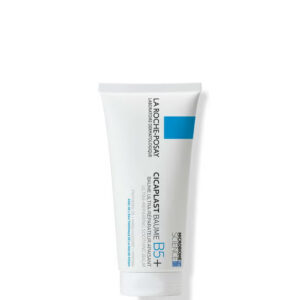
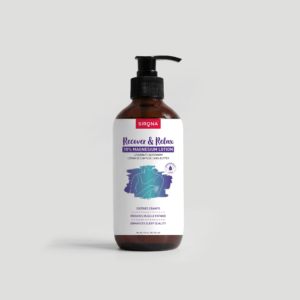
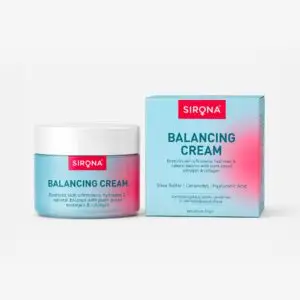
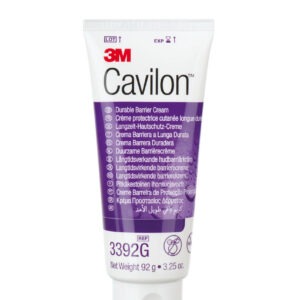
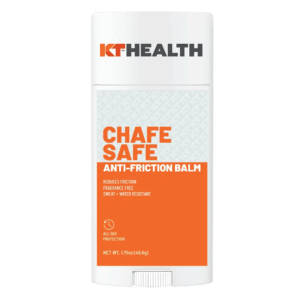
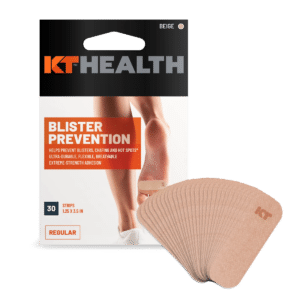
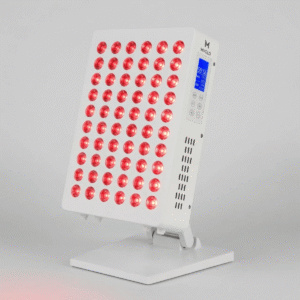

Some links are affiliate links. If you buy through them, ItHurts.com may earn a small commission at no extra cost to you.
Soothing skin that is already sore
- Clean gently. Rinse with lukewarm water and a mild, fragrance-free cleanser. Avoid scrubbing.
- Pat dry and let the area air out where you can.
- Apply a bland protective layer, such as petroleum jelly or a simple fragrance-free balm, to calm the skin and reduce further rubbing.
- Give it a break from the activity that caused it for a day or two, or cover it with a non-stick dressing if you must keep going.
- Skip harsh products. Fragranced lotions, alcohol-based products and heavily perfumed powders can sting and irritate broken skin.
- Wear loose, soft clothing while it heals.
A pharmacist can suggest suitable creams if the skin is very inflamed, and can tell you when something looks more like a rash or infection than simple chafing.

Signs it needs a doctor
- Spreading redness, warmth or swelling
- Pus, crusting or a bad smell
- Fever or feeling unwell
- Skin that hasn't improved after several days of care
- A red, itchy rash with defined edges or small spots around it in skin folds, which can be a yeast or fungal infection
- Open sores or breaks in the skin if you have diabetes or a weakened immune system
- Chafing that keeps returning in the same place despite prevention
Some skin conditions, including intertrigo, eczema, psoriasis and a long-term condition called hidradenitis suppurativa, can look like chafing at first. A doctor can tell them apart and suggest the right care.
Keeping it from holding you back
Chafing is one of those small problems that can quietly stop people from exercising or enjoying summer. If it is happening often, it is worth building a simple routine: a barrier product in your bag, a pair of slip shorts for hot days, and a change of clothes after workouts. Runners, hikers and cyclists often swap advice on which fabrics and products work for them, and that shared experience can save a lot of trial and error.
Most of all, there is nothing embarrassing about it. Bodies sweat and move, and finding what keeps you comfortable is just part of looking after yourself.
The bottom line
Chafing comes from friction plus moisture. Moisture-wicking, well-fitting clothes, a barrier product on hot spots and getting out of wet gear prevent most cases. Clean, protect and rest irritated skin, and see a doctor for signs of infection, a rash that doesn't settle, or broken skin if you have diabetes.
Share what works for you
Join our skin, burns and wound groups to swap prevention tips with others. Dealing with other aches as well? Try the free ItHurts Pain Check-Up.
Join the Skin Care GroupsReviewed by the ItHurts editorial team · Last reviewed 18 October 2026 · General information, not medical advice. If you are worried about your symptoms, talk to a doctor.