

The ache in the middle of your foot
It often starts at the end of a long shift. You sit down, slip off your shoes, and the curve under your foot throbs as if it has been holding up the whole day. Or it shows up first thing in the morning, when the first few steps to the bathroom feel stiff and sore before things loosen up.
Arch pain is pain anywhere along the underside of the foot between the heel and the ball of the foot. It is very common, and most of the time it comes from structures that are overloaded rather than seriously damaged. That said, it can be stubborn, and it is worth understanding what might be behind it so you can take sensible steps and know when to get it checked.
How the arch is built
Your arch is a curved structure made of bones held together by ligaments, with muscles and tendons running underneath and along the inside of the foot. A thick band of tissue called the plantar fascia runs from the heel to the toes and acts a bit like a bowstring, helping the arch keep its shape and spring back with each step.
Every time you walk, the arch flattens a little to absorb impact and then stiffens again to help you push off. When any part of that system is asked to do more than it is ready for, it can become irritated and sore.
Common reasons arches hurt
- Plantar fasciitis. Irritation of the plantar fascia is one of the most frequent causes. It usually hurts most near the heel or along the inner arch, and is often worst with the first steps in the morning or after sitting.
- Overuse or a sudden change in activity. Starting a new running plan, walking much more on vacation, or switching to a job where you stand all day can all strain the arch.
- Foot shape. Flat feet and very high arches both change how load is spread through the foot. Neither is a problem on its own, but either can make some people more prone to arch pain.
- Posterior tibial tendon problems. This tendon runs along the inside of the ankle and helps support the arch. When it is strained, the arch may ache and, over time, can begin to flatten.
- Unsupportive footwear. Worn-out shoes, very flat shoes, and going barefoot on hard floors for long periods are frequent contributors.
- Tight calves. Tight calf muscles and Achilles tendon pull on the heel and can increase strain on the bottom of the foot.
- Weight changes. More load through the feet, including during pregnancy, can make arches work harder.
Less often, arch pain can come from a stress fracture, nerve irritation, arthritis in the midfoot joints, or inflammatory conditions that affect tendons and joints. These are reasons to see a professional if the pain does not follow the usual pattern.
What tends to help at home
For everyday arch pain without warning signs, many people find that a few practical changes, done consistently for several weeks, make a real difference.
Look at your shoes first
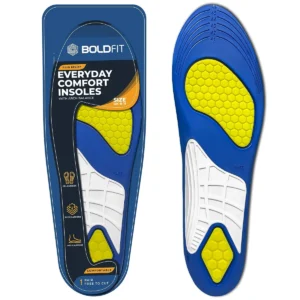
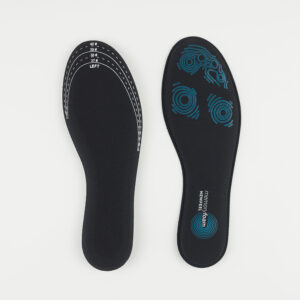
Choose shoes with a firm heel counter, some cushioning, and support under the arch. Replace pairs that have flattened out or tilt when you set them on a table. Over-the-counter arch supports or insoles help some people, especially if they stand or walk a lot. If you spend long hours on hard floors at home, wearing supportive slippers or house shoes instead of going barefoot can ease the load.
Ease off, but keep moving
Cut back on the activity that flares the pain rather than stopping all movement. Swapping some running or long walks for cycling or swimming for a while keeps you active while the foot settles. Build back up gradually once it calms down.
Gentle stretching
Calf stretches against a wall, held for about 30 seconds and repeated a few times a day, are commonly suggested. Many people also stretch the arch itself by gently pulling the toes back toward the shin before getting out of bed. Stretches should feel like a pull, not sharp pain.
Simple strength work
Picking up a towel or marbles with your toes, or slowly rising up onto your toes and lowering down, can help strengthen the small muscles of the foot over time. Start with a few repetitions and add more only if your foot tolerates it well.
Cold, warmth and massage
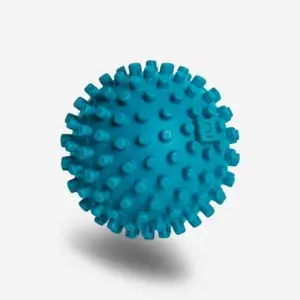
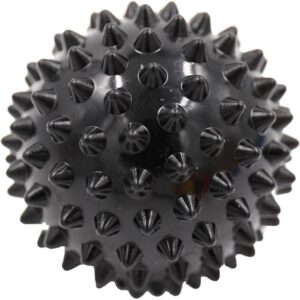
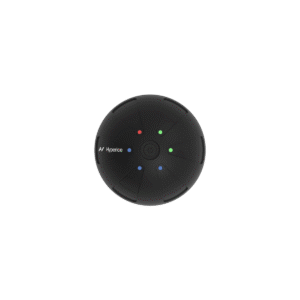
Rolling the arch over a cold water bottle for a few minutes can be soothing after a long day. Some people prefer warmth or a gentle massage with a ball. Use whatever feels comforting, and protect your skin from direct ice.

Relief picks for arch pain
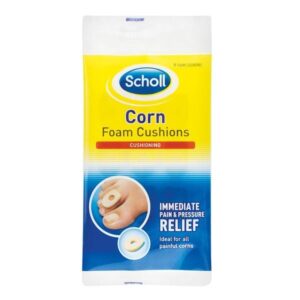
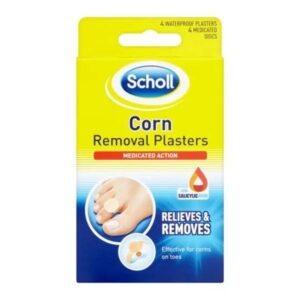
Hand-picked by ItHurts · an everyday option, a best overall and a clinical-grade upgrade

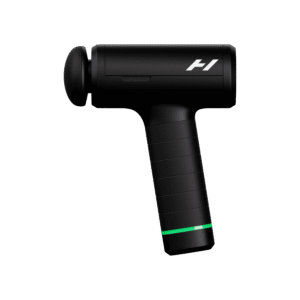
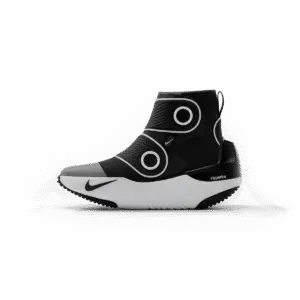
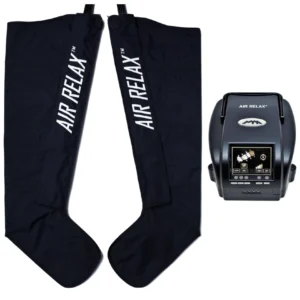
Some links are affiliate links. If you buy through them, ItHurts.com may earn a small commission at no extra cost to you.
When to see a doctor or podiatrist
Get prompt medical care if you notice:
- Pain that started with a fall, twist or injury, especially if you cannot put weight on the foot
- Significant swelling, bruising, or a change in the shape of the foot
- Redness, warmth and fever, which could point to infection
- Numbness, tingling, burning or weakness in the foot
- Pain that is severe, getting worse, or keeps you awake at night
- A foot problem of any kind if you have diabetes or poor circulation
It is also worth booking a routine appointment if arch pain has lasted more than a few weeks despite sensible home care, or if it keeps returning. A doctor, podiatrist or physical therapist can examine how your foot moves, check for tendon problems or stress fractures, and suggest options such as a tailored exercise program, taping, custom orthotics or imaging if needed.
Living with sore arches day to day
Arch pain can quietly shape a whole day. People start parking closer, skipping walks with friends, or dreading standing at events. A few habits help many people keep life moving while the foot settles:
- Keep a pair of supportive shoes by the bed or the door so you are not padding around barefoot first thing.
- Break up long periods of standing with short breaks to sit or shift your weight.
- Rotate between two pairs of good shoes so each has time to recover its cushioning.
- Keep a simple note of what makes the pain better or worse. Patterns often become clear within a couple of weeks.
- Talk to your employer about a mat or seating options if your job keeps you on hard floors.
Recovery from arch pain is often slower than people expect, sometimes several months for plantar fasciitis. Small, steady improvements are a good sign, even when there are setbacks along the way.
The bottom line
Most arch pain comes from overloaded tissue in the foot and tends to improve with supportive footwear, gradual activity changes, stretching and patience. Pain after an injury, numbness, swelling, signs of infection, or pain that does not ease after a few weeks deserves a professional opinion.
If you are not sure where your pain fits, our free Pain Check-Up can help you organize your symptoms before an appointment. You can also browse the ankle, foot and heel pain support groups to hear how others manage day to day.
Talk With People Who Get It
Swap shoe tips, stretches and small wins with others living with arch pain.
Visit the Arch Pain GroupReviewed by the ItHurts editorial team · Last reviewed 18 October 2026 · General information, not medical advice. If you are worried about your symptoms, talk to a doctor.