


Common, treatable and worth checking
Most pain in and around the back passage comes from a short list of everyday problems, such as small tears, swollen blood vessels, muscle spasms or constipation. These are common at every age, and doctors deal with them all the time. Even so, plenty of people put up with the pain for weeks because they are embarrassed to bring it up.
This guide is meant to make the topic a little easier. It covers what different kinds of pain often point to, what tends to help at home, and the signs that mean you should see a doctor sooner rather than later. A quick note on terms: the anus is the opening, and the rectum is the last part of the bowel just above it. People often use "rectal pain" to mean pain in either area.
What different kinds of pain can mean
- Sharp, cutting pain during and after a bowel movement, sometimes with a streak of bright red blood: often an anal fissure, a small tear in the lining, frequently after passing a hard stool.
- A sudden, very tender lump at the edge of the anus: possibly a thrombosed external hemorrhoid, where a blood clot forms in a swollen vein.
- Itching, discomfort and bright red blood on the toilet paper: often hemorrhoids, which are common and usually more uncomfortable than painful unless they clot or prolapse.
- Throbbing, constant pain with swelling and sometimes fever: may be an abscess, a pocket of infection that needs medical care.
- Sudden, intense cramping that lasts seconds to minutes and then disappears, sometimes waking you at night: often proctalgia fugax, a harmless but unpleasant muscle spasm.
- A dull ache or pressure high in the rectum, worse when sitting: can be linked to tight pelvic floor muscles, sometimes called levator ani syndrome.
- Pain with urgency, mucus or bleeding: may point to inflammation of the rectum (proctitis), which can be related to inflammatory bowel disease or infections, including some sexually transmitted infections.
Constipation and straining contribute to many of these problems. Less commonly, rectal symptoms are caused by bowel cancer, which is why ongoing bleeding or changes in bowel habits should always be checked.
Gentle care at home
For mild pain from fissures, hemorrhoids or constipation, these steps help many people:
- Soften your stools. Eat more fiber from fruit, vegetables, beans and whole grains, and drink plenty of fluids. Increase fiber gradually to avoid bloating.
- Don't strain or linger. Go when you feel the urge, and avoid sitting on the toilet for long periods, including scrolling on your phone.
- Try a footstool. Raising your feet slightly while on the toilet can make bowel movements easier for some people.
- Warm baths. Sitting in a few inches of warm water (a sitz bath) for 10 to 15 minutes, a few times a day and after bowel movements, can relax muscles and ease pain.
- Clean gently. Use soft, unscented toilet paper or plain water, and pat rather than rub. Avoid perfumed wipes and soaps.
- Keep moving. Regular walking helps keep the bowels regular.
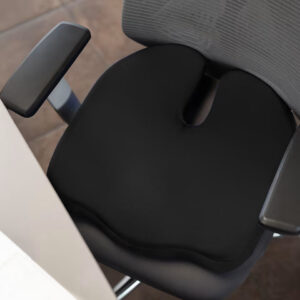
- Cushion your seat if sitting is painful.
A pharmacist can suggest suitable over-the-counter creams, stool softeners or fiber supplements, and let you know if your symptoms sound like something a doctor should see.

Comfort picks for rectal pain
Hand-picked by ItHurts · an everyday option, a best overall and a clinical-grade upgrade
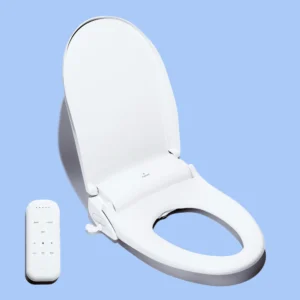

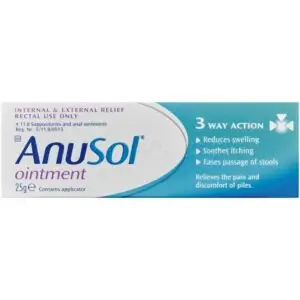

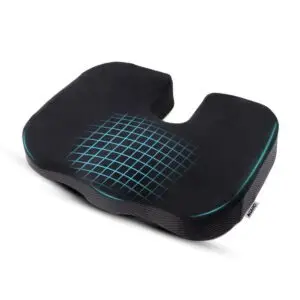
Some links are affiliate links. If you buy through them, ItHurts.com may earn a small commission at no extra cost to you.
When to see a doctor
Get urgent care if you have:
- Heavy bleeding, passing clots, or feeling faint or dizzy
- Black, tarry stools
- Severe or rapidly worsening pain, especially with fever, chills or swelling
- Severe belly pain or a swollen abdomen with vomiting, or being unable to pass stool or gas
- Pain after an injury, or if an object may be stuck
Book an appointment if:
- Pain hasn't improved after about a week of self-care
- You notice any bleeding you haven't had checked, even if small
- Your bowel habits have changed for more than a few weeks
- You have unexplained weight loss or tiredness
- You have a lump that is growing or not going away
- You have a family history of bowel cancer or inflammatory bowel disease
What happens at the appointment
Knowing what to expect can make it easier to go. A doctor will ask about your symptoms and bowel habits, then usually look at the area and may do a gentle exam with a gloved finger. If the area is too sore, they may wait or use numbing gel. Depending on what they find, they may suggest a scope test or a referral to a specialist. You can ask for a chaperone, and you can always ask them to pause or explain what they are doing.
Living with a recurring problem
Some people live with fissures, hemorrhoids or pelvic floor pain that comes and goes. Over time, many find a routine that works: a fiber-rich diet, enough fluids, not straining, warm baths after flare-ups and quick action when symptoms start. Pelvic floor physical therapy is an option for ongoing muscle-related pain. Because these problems are rarely talked about, finding others who understand can make them feel far less isolating.
The bottom line
Rectal pain is usually caused by common, treatable conditions like fissures, hemorrhoids, muscle spasms or constipation. Softer stools, no straining, warm baths and gentle cleaning help many people. Seek urgent care for heavy bleeding, black stools, or severe pain with fever, and have any unexplained bleeding or lasting change in bowel habits checked by a doctor.
Talk freely, without embarrassment
Our abdominal and digestive pain groups are a respectful place to ask the questions you might not ask out loud. The free Pain Check-Up can help you prepare for a conversation with your doctor.
Visit Digestive Health GroupsReviewed by the ItHurts editorial team · Last reviewed 18 October 2026 · General information, not medical advice. If you are worried about your symptoms, talk to a doctor.