
 Written by
Lower Back Pain: What Helps, and When to Get It Checked
If your lower back hurts, you are in very big company. Back pain is one of the most common health problems there is, and most of us will have it at some point in our lives. The good news is that most lower back pain is not caused by anything serious, and it usually starts to ease within a few weeks.
This guide explains what lower back pain is, what tends to cause it, what usually helps, and when it's time to get checked. It can't tell you what is causing your own pain. Only someone who examines you can do that. But it can help you worry less and feel more in charge.
What lower back pain is and how it feels
Your lower back is the part of your spine between the bottom of your ribs and the top of your legs. It works hard every day. It holds you up, lets you bend and twist, and takes the load every time you lift a bag of shopping, a laundry basket or a grandchild.
Lower back pain can feel like:
- a dull ache across the lower back
- stiffness, especially first thing in the morning or after sitting for a while
- a sudden sharp "catch" when you bend, twist or stand up
- muscles that feel tight, knotted or go into spasm
- pain that spreads into your bottom or the top of your thighs
Doctors often call it "non-specific" back pain when there is no single clear cause. That label can sound frustrating, as if nobody knows what's going on. In fact it's usually good news. It means the pain is most likely coming from the ordinary muscles, joints and soft tissues of the back, not from damage or disease.
Most new back pain eases within a few weeks. For some people it lingers, or comes back from time to time. That is common too, and there is still a lot you can do about it.
Common causes
Often there is no one reason. Back pain tends to come from a mix of things, such as:
- a strained muscle or ligament, for example after lifting, gardening or a sudden twist
- sitting or standing in one position for a long time
- being less active than usual, so the back gets stiff and the muscles that support it get weaker
- normal age-related changes in the discs and joints of the spine (these show up on scans in most people over 50, very often with no pain at all)
- poor sleep, stress and worry, which can turn up the volume on pain
- other conditions such as a slipped disc, sciatica or spinal stenosis, which we cover in separate guides
Very rarely, back pain is a sign of something serious such as a broken bone, an infection or cancer. The warning signs for those are listed further down this page, so you know what to look out for.
What usually helps
Keep moving. This is the single most helpful thing you can do. Resting in bed for days used to be the advice, but we now know it tends to slow recovery. Gentle movement, such as walking around the house or the block, stops the back from stiffening up. It's fine if moving hurts a little at first. Hurt does not always mean harm.
Stick with your normal day as much as you can. Carry on with chores, hobbies and seeing people, even if you need to do things more slowly or in shorter bursts. Many people find that a "little and often" approach works best.
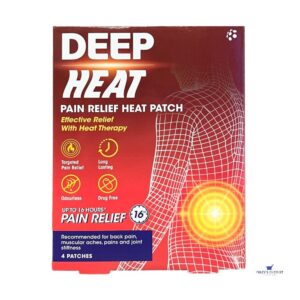
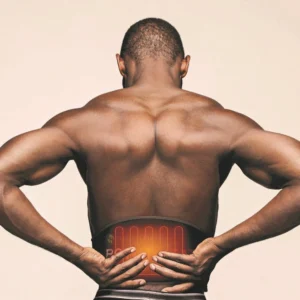
Try heat or cold. Many people find that a heat pack or hot water bottle, wrapped in a towel, eases stiff and tight muscles. Others prefer a cold pack or a bag of frozen peas wrapped in a tea towel. Use whichever feels better, for up to 20 minutes at a time.
Build strength and flexibility over time. Regular exercise is one of the best ways to ease back pain and keep it from coming back. Walking, swimming, gentle yoga, pilates and simple stretches all count. A physiotherapist can show you exercises that suit your body and your fitness.
Ask about pain relief that's right for you. If you need something to help you keep moving, ask a pharmacist or your doctor which option is safe for you, especially if you already take other medicines.
Look after sleep and stress. Pain and poor sleep feed each other. A regular bedtime, a pillow between your knees if you sleep on your side (or under your knees if you sleep on your back), and a few minutes of slow breathing can all help.
Relief picks for lower back pain
Hand-picked by ItHurts · an everyday option, a best overall and a clinical-grade upgrade
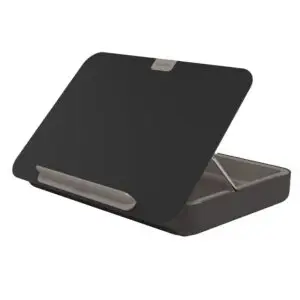


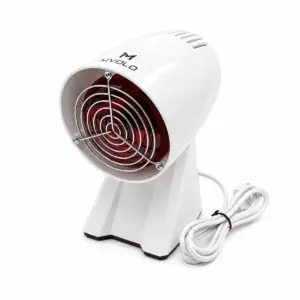
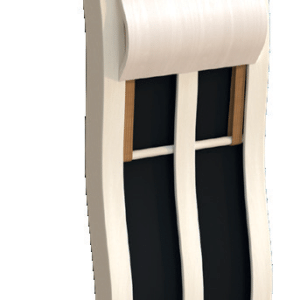
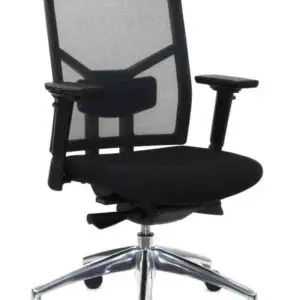
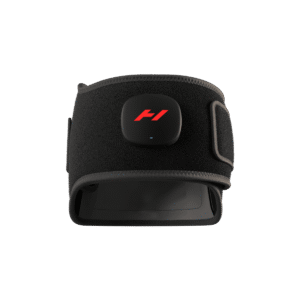
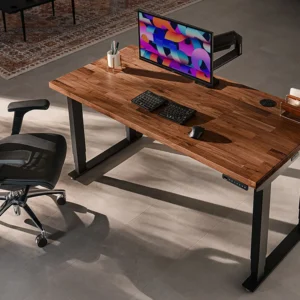


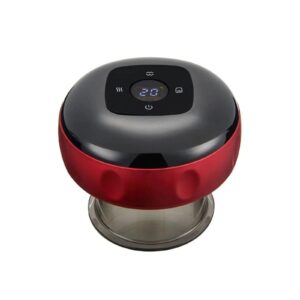
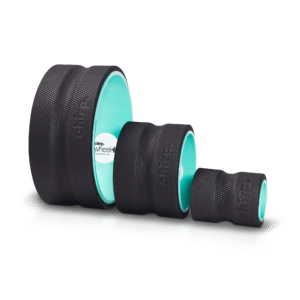
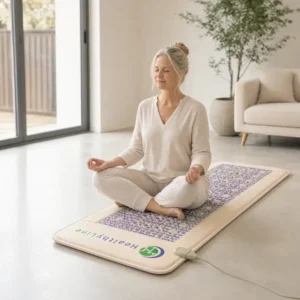
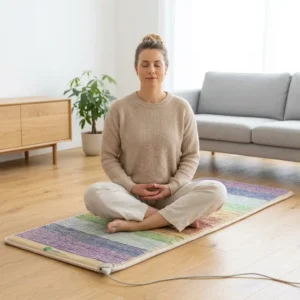
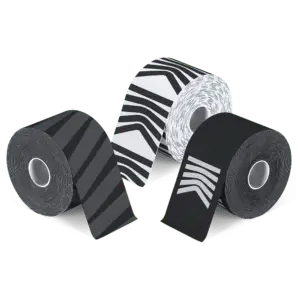
Some links are affiliate links. If you buy through them, ItHurts.com may earn a small commission at no extra cost to you.
What to try this week
When to see a doctor
Most back pain is not serious. But a few signs mean you should get help quickly.
Call 911 (or your local emergency number) or go to the emergency room if you have back pain and:
- numbness or tingling around your genitals, bottom or inner thighs
- new trouble peeing, or you can't control your bladder or bowels
- pain, tingling, numbness or weakness in both legs
- chest pain, or sudden severe pain in your back and tummy together
- the pain started after a serious fall or accident
Some of these can mean the nerves at the bottom of the spine are being squashed, which needs treatment in hospital straight away. Don't wait to see if they pass, and don't drive yourself.
Call your doctor the same day if you have back pain and:
- a fever, or you feel hot, shivery or generally unwell
- the pain is severe and came on suddenly, or it's getting worse quickly
- it started after even a small fall and you have thin bones (osteoporosis)
- you have had cancer in the past, or you've lost weight without trying
Book an appointment within 1 to 2 weeks if:
- your pain isn't getting better after a few weeks of looking after it at home
- it's stopping you doing everyday things, or you're finding it hard to cope
- the pain is worse at night, or doesn't ease at all when you rest or change position
- the pain is high up, between your shoulder blades, rather than low down
- you're worried about it for any reason
In some areas you can see a physiotherapist without a doctor's referral, so it's worth asking. And if you take medicines for your pain or anything else, don't change or stop them on your own. Talk to your doctor or pharmacist first.
Common questions
Should I rest until it stops hurting?
Short rests are fine when the pain is bad. But long spells in bed or on the sofa usually make back pain last longer. Gentle movement helps most people recover faster.
Do I need an X-ray or MRI scan?
Usually not. For everyday back pain, scans rarely change what helps, and they often show normal age-related changes that aren't causing your pain. Your doctor will suggest a scan if your symptoms point to something that needs one.
Is it okay to exercise if it hurts?
Mild discomfort while you move is normal and is not a sign of damage. Start small and build up slowly. Stop and get advice if an exercise causes sharp pain, or pain, tingling or numbness down a leg.
What is the best mattress or chair for back pain?
No single product suits everyone. Choose what feels comfortable and lets you change position easily. Moving often matters more than finding the perfect chair.
Will my back pain come back?
It can, but staying active and keeping the muscles around your back and hips strong lowers the chances. If it does come back, the same steps usually help again.
You don't have to figure this out alone
Not sure what kind of back pain you have, or what to focus on first? Take the free 2-minute Pain Check-Up. Nine quick taps give you your Pain Archetype, your Pain Load score and three things to try this week.
And if you'd like to talk with people who understand, join the ItHurts community. People there share what has helped them, what hasn't, and how they get through the hard days.
Sources
If it Hurts we can help.
Join a space where people share real experiences, support, and understanding—without judgment.
Join the ItHurts CommunityReviewed by the ItHurts editorial team · Last reviewed 18 October 2026 · General information, not medical advice. If you are worried about your symptoms, talk to a doctor.

