
 Written by
Sciatica: Understanding the Pain That Runs Down Your Leg
Sciatica can stop you in your tracks. One minute you're getting out of the car, the next there's a sharp, burning pain shooting from your bottom down the back of your leg. It can make sitting, standing and sleeping hard work, and it's natural to feel worried.
Here's the reassuring part: for most people, sciatica gets better on its own over a few weeks to a few months. This guide explains what's going on, what usually helps, and the few signs that mean you need help quickly. It can't tell you what is causing your own pain, but it can help you understand your options.
What sciatica is and how it feels
Your sciatic nerve is the longest nerve in your body. It starts as several nerve roots in your lower back, joins up in your bottom, and runs down the back of each leg to your feet. "Sciatica" is the name for the pain and other feelings you get when that nerve, or one of its roots, is irritated or squeezed.
Sciatica usually affects one side. You may feel:
- a sharp, shooting or burning pain from your bottom down the back of your leg, sometimes into your foot and toes
- tingling, like pins and needles
- numbness in part of the leg or foot
- weakness, so your leg or foot doesn't work quite as well as usual
- pain that gets worse when you cough, sneeze, strain or sit for a long time
You may have some back pain too, but with sciatica the leg pain is usually worse than the back pain. If you only have pain in your back, it's probably not sciatica.
Sciatica can start suddenly, often after bending or lifting, or creep up slowly over days or weeks. It can also come back after it has settled, which is why the habits later in this guide are worth keeping up.
Common causes
Sciatica is a symptom, not a disease on its own. The most common causes are:
- a slipped (herniated) disc, where one of the soft cushions between the bones of your spine bulges out and presses on a nerve root. This is the most common cause.
- spinal stenosis, where the space around the nerves narrows over time. This becomes more common as we get older.
- bony growths or wear-and-tear changes in the joints of the spine
- a muscle in the bottom (the piriformis) irritating the nerve, though this is less common
Things that can make sciatica more likely include getting older, being very overweight, smoking, jobs that involve a lot of heavy lifting or long hours of sitting or driving, and not being very active.
Rarely, sciatica can be caused by something more serious, like an infection or a growth pressing on the nerve. That's another reason to know the warning signs below.
What usually helps
Keep as active as you can. It may feel safer to lie down, but long periods of sitting or lying still tend to make sciatica worse and slow your recovery. Moving can hurt, but it isn't harmful, and it helps the nerve settle sooner.
Carry on with normal activities. Go about your day as much as you can, even if you need to slow down, take breaks or do things differently for a while.
Gentle exercise, little and often. Walking, swimming and simple stretches can all help. Exercise doesn't need to be hard to be useful. A physiotherapist can give you a plan to suit you, including stretches that take pressure off the nerve.
Heat for the sore areas. Many people find a heat pack on the lower back or bottom eases muscle tightness. Some prefer cold. Wrap either one in a towel and use it for up to 20 minutes.
Find comfortable positions. Changing position often helps more than finding the "perfect" one. When lying on your side, a pillow between your knees can ease pressure. When lying on your back, try a pillow under your knees.
Ask about pain relief. If you need help with the pain so you can keep moving, ask a pharmacist or your doctor what's suitable for you. Some common pain relievers don't help sciatica much, so it's worth getting advice rather than guessing.
Be patient with yourself. Nerve pain can take time to settle. Many people notice it easing week by week, even if it's slow.
Take care with driving. Long drives can make sciatica worse. If you need to drive, make sure you can move your leg quickly and safely, sit with a small cushion behind your lower back, and stop every 30 to 45 minutes to get out and walk around. If the pain or numbness affects your ability to brake, don't drive.
Relief picks for sciatica
Hand-picked by ItHurts · an everyday option, a best overall and a clinical-grade upgrade

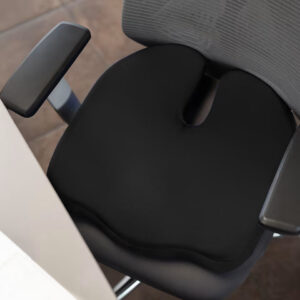
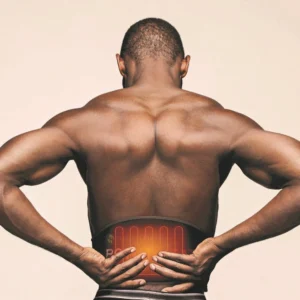
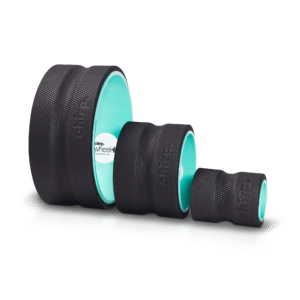

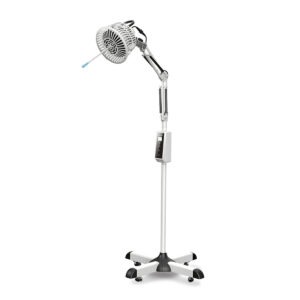
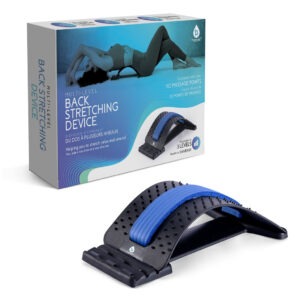

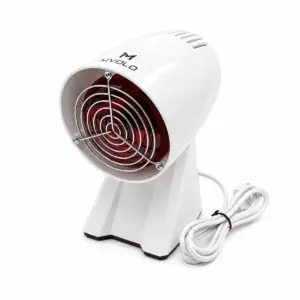
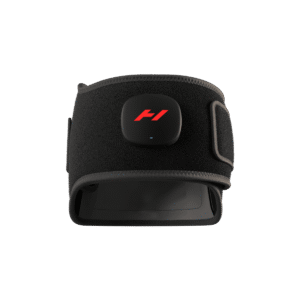


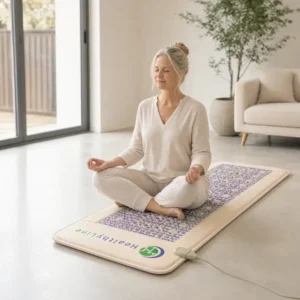
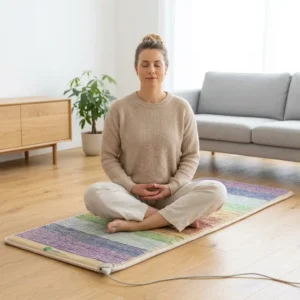
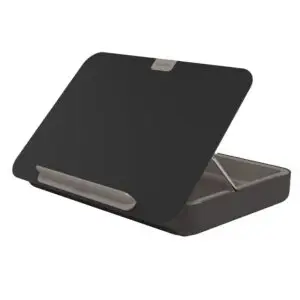
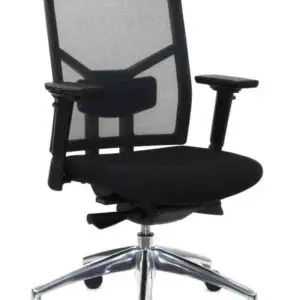
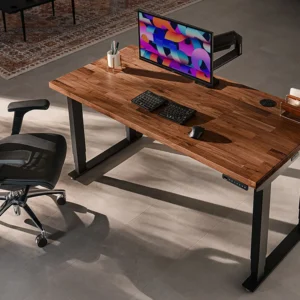
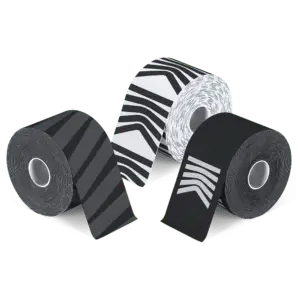
Some links are affiliate links. If you buy through them, ItHurts.com may earn a small commission at no extra cost to you.
What to try this week
When to see a doctor
Call 911 (or your local emergency number) or go to the emergency room if:
- you have sciatica in both legs at the same time
- you have weakness or numbness in both legs that's severe or getting worse
- you have numbness around your genitals, bottom or inner thighs
- you find it hard to start peeing, can't pee, or can't control when you pee, and this is new for you
- you can't control your bowels, or don't notice when you need to poo, and this is new for you
These can be signs of a rare but serious problem called cauda equina syndrome, where the nerves at the bottom of the spine are badly squashed. It needs treatment in hospital as soon as possible. Don't drive yourself.
Call your doctor the same day if:
- your leg is getting weaker, or your foot is catching or slapping when you walk
- you have a fever or feel generally unwell along with the pain
- the pain started after a fall or injury
Book an appointment within 1 to 2 weeks if:
- the pain hasn't improved after a few weeks of looking after it at home
- the pain is getting worse
- it's stopping you doing your normal activities or sleeping
- you're struggling to cope with the pain
Your doctor may suggest physiotherapy, different pain relief, or, if the pain is severe and not improving, a referral to a specialist. Most people never need surgery. If you take any medicines, don't change or stop them without talking to your doctor or pharmacist first.
Common questions
How long does sciatica last?
It usually gets better within a few weeks to a few months. Some people have pain for longer, and it can come back. Staying active gives you the best chance of a steady recovery.
Should I stay in bed?
No. Bed rest tends to slow recovery. Short rests are fine when the pain is bad, but try to get up and move gently every hour or so during the day.
Do I need a scan?
Most people don't. A scan is usually only needed if the pain is severe and not improving, if surgery is being considered, or if there are warning signs. Your doctor can usually tell a lot from your symptoms and a simple examination.
Is sciatica the same as a slipped disc?
Not quite. A slipped disc is one of the most common causes of sciatica, but sciatica is the name for the nerve symptoms, whatever the cause. You can have a slipped disc without sciatica, and sciatica from other causes.
How can I stop it coming back?
Keep active, build strength in your back, tummy and hips, take breaks from sitting, and lift with your hips and knees with the load close to your body. These habits won't guarantee it never returns, but they lower the odds.
You don't have to figure this out alone
If you're not sure what kind of pain you're dealing with, take the free 2-minute Pain Check-Up. Nine quick taps give you your Pain Archetype, your Pain Load score and three things to try this week.
Sciatica can feel lonely, especially on the nights it keeps you awake. Join the ItHurts community to talk with people who've been there and know what it's like.
Sources
If it Hurts we can help.
Join a space where people share real experiences, support, and understanding—without judgment.
Join the ItHurts CommunityReviewed by the ItHurts editorial team · Last reviewed 18 October 2026 · General information, not medical advice. If you are worried about your symptoms, talk to a doctor.
