


A symptom people search for, but rarely mention
Anal pain is one of those problems many people would rather type into a search bar at midnight than say out loud to a doctor. It can make sitting, walking, sleeping and going to the bathroom miserable, and the embarrassment often adds stress on top of the pain itself.
Here is the reassuring part: anal pain is common, most causes are benign and well understood, and doctors who deal with this area are not shocked by anything. Knowing what different kinds of pain tend to mean can help you take the right next step.
What the type of pain might tell you
Only an examination can confirm the cause, but the character of the pain often gives useful clues.
- Sharp, tearing pain during a bowel movement, then burning afterward. This is the classic pattern of an anal fissure, a small tear in the lining of the anal canal, often with a streak of bright red blood on the paper.
- A sudden, very painful, firm lump at the edge of the anus. This may be a thrombosed external hemorrhoid, where a small blood clot forms in a swollen vein. It often appears bluish or purple.
- Itching, aching or swelling with painless bright red bleeding. Typical of hemorrhoids more generally, which are swollen blood vessels in and around the anus.
- Throbbing pain that builds over days, with a hot, red swelling and sometimes fever. This can be an anal abscess, a pocket of infection that usually needs draining.
- Ongoing discharge from a small opening near the anus. This may be an anal fistula, often following an abscess.
- Brief, intense cramping pain that wakes you at night and then fades. This can be proctalgia fugax, a muscle spasm that is harmless but very uncomfortable.
- A dull, pressing ache, worse with sitting. Sometimes linked to pelvic floor muscle tension (levator ani syndrome) or tailbone pain.
- Raw, itchy, stinging skin. Often due to skin irritation from frequent wiping, diarrhea, sweat, scented products or a skin condition.
Less commonly, anal pain can be linked to infections, including sexually transmitted infections, inflammatory bowel disease, or, rarely, cancer. That is why persistent symptoms deserve a proper check.
Signs that need prompt attention
Seek urgent care, or call your local emergency number, if you notice:
- Heavy rectal bleeding, or bleeding with dizziness or fainting
- Black, tarry stools
- Severe pain with fever, chills or a hot, swollen lump
- Redness and swelling spreading across the buttocks or groin
- New loss of bowel control, or numbness around the anus and genitals
- Severe belly pain or vomiting along with your symptoms
Book a regular appointment if pain or bleeding lasts more than a week or two, keeps returning, comes with a change in bowel habits or unexplained weight loss, or if you feel a lump that doesn't go away.
Self-care that many people find soothing
These general steps help with many common causes of anal pain. They are not a substitute for an assessment if the pain is severe or persistent.
- Keep stools soft. Plenty of fluids and gradually more fiber from fruit, vegetables, beans and whole grains reduce straining, which matters for fissures and hemorrhoids alike.
- Don't strain or linger. Go when you feel the urge, and avoid sitting on the toilet for long periods.
- Try a sitz bath. Sitting in a few inches of warm water for 10 to 15 minutes, a few times a day, can relax the muscles and ease soreness.
- Clean gently. Rinse with water or use soft, unscented toilet paper, then pat dry. Avoid scented wipes, soaps and powders.
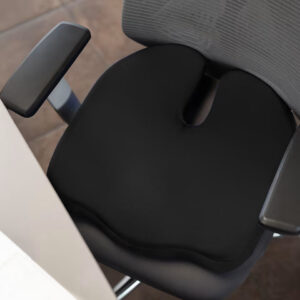
- Ease pressure when sitting. A soft cushion and regular breaks from sitting help. Some people with hemorrhoids prefer a cushion without a center hole.
- Wear breathable underwear. Loose cotton keeps the area drier and less irritated.
- Ask a pharmacist. Over-the-counter creams, wipes and pain relievers exist for anal discomfort, but they suit different problems. A pharmacist can help you choose, and should know about your other medicines.

Comfort picks for anal pain
Hand-picked by ItHurts · an everyday option, a best overall and a clinical-grade upgrade






Some links are affiliate links. If you buy through them, ItHurts.com may earn a small commission at no extra cost to you.
Making the appointment easier
If embarrassment is the main thing stopping you, a few tips might help:
- You can simply say, "I've been having pain around my bottom and I'd like it checked."
- Write down your symptoms beforehand so you don't have to think on the spot.
- You can ask for a chaperone during the exam, or for a clinician of a particular gender if that helps you feel more at ease.
- Most examinations are quick, and the doctor will explain each step.
Depending on what they find, the doctor may look inside the anal canal with a small scope, suggest blood tests, or refer you to a colorectal specialist or gastroenterologist. Many common causes are managed with simple measures and follow-up, and knowing what you are dealing with often brings relief in itself, because it replaces guessing with a plan.
Living with recurring pain
For people with ongoing hemorrhoids, recurring fissures or pelvic floor tension, the pain can wear on mood and confidence. It helps to treat the gut as part of the plan: regular meals, steady fiber and fluids, daily movement, and not rushing bathroom visits. A pelvic floor physical therapist can be a big help when muscle tension is part of the problem. And it is completely okay to say this pain affects your life. It does, and that matters.
The bottom line
Most anal pain comes from fissures, hemorrhoids, abscesses, muscle spasm or skin irritation. Soft stools, warm soaks and gentle care help many people. Heavy bleeding, fever or a hot swollen lump needs urgent care, and anything that lingers deserves a check.
Talk openly with people who understand
Not sure what your symptoms point to? Start with the free Pain Check-Up, or explore our abdominal and digestive pain groups.
Join the Anal Pain GroupReviewed by the ItHurts editorial team · Last reviewed 18 October 2026 · General information, not medical advice. If you are worried about your symptoms, talk to a doctor.