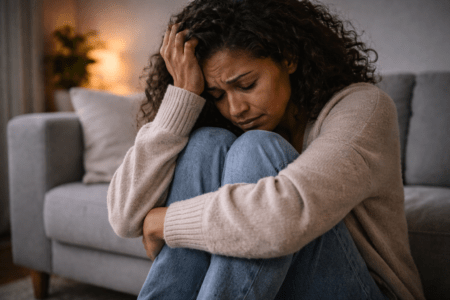
When Trauma Doesn’t Let Go 💥🧠 Understanding how trauma affects your nervous system — and how healing begins, slowly and safely. What Trauma Does to the Body and Brain Trauma occurs when your nervous system is overwhelmed and does not get the chance to return to a state of safety. Even after the event has passed, your brain may continue to stay alert, tense, and prepared — as if the danger is still present. Constant alertness or hypervigilance Sudden anxiety or panic responses Emotional numbness or shutdown Sleep disturbances and fatigue Triggers that feel unexpected but have meaning “You are not broken — your nervous system adapted to protect you.” Why Trauma Feels Physical Trauma is not only stored as memory — it is experienced through the body. The same brain areas involved in physical pain are activated during emotional distress. This is why trauma can show up as chest tightness, muscle tension, stomach discomfort, or dizziness. When to Reach Out for Professional Support ⚠️ Seeking support is an important step in healing. Consider reaching out if you experience: Flashbacks or dissociation Nightmares or ongoing sleep problems Thoughts of self-harm or feeling unsafe Persistent emotional numbness Difficulty functioning in daily life Grounding Strategies That May Help Healing begins with creating small moments of safety for your nervous system: Establishing predictable daily routines Using comforting sensations like warmth or pressure Gentle movement such as walking or stretching Engaging with grounding objects or textures Reducing sensory overload where possible Healing Is Allowed — And It Takes Time 🌱 Healing does not mean forgetting what happened. It means gradually building a present that feels safe enough to live in. There is no fixed timeline. Moving slowly is still progress. Join the ItHurts Trauma Community 💬 You don’t have to navigate trauma alone. Connect with others who understand and support healing at your pace. Join the Community Medical Disclaimer: This content is for education and emotional support only and does not replace professional medical or mental health care.
 Written by Karrie