


When it hurts everywhere
Hurting all over is a different experience from having one sore knee or a stiff back. Widespread pain can make it hard to get comfortable in any position, drain your energy, and leave you unsure where to even start explaining it. Some people feel achy and flu-like for a few days. Others live with pain across many parts of the body for months or years.
Full body pain is a symptom, and it has a wide range of possible causes. Many are temporary and harmless. Some are long-term conditions that benefit from a proper diagnosis and plan. This article helps you think through the possibilities and the practical steps that help many people.
Short-lived causes
- Viral infections such as flu, COVID-19 and other respiratory viruses commonly cause body aches, fever and tiredness that ease as you recover.
- Overexertion after unusual exercise, physical work or a long day on your feet can cause delayed muscle soreness lasting a few days.
- Poor sleep, even for a few nights, can make the body more sensitive to pain.
- Dehydration and illness-related exhaustion.
- Stress, which keeps muscles tense and can amplify pain.
Longer-lasting causes
When widespread pain continues for weeks or longer, a doctor may consider:
- Fibromyalgia, a long-term condition causing widespread pain, fatigue, sleep problems and difficulty concentrating, linked to changes in how the nervous system processes pain.
- Inflammatory and autoimmune conditions, such as rheumatoid arthritis, lupus or polymyalgia rheumatica (which typically causes pain and stiffness in the shoulders and hips in people over 50).
- Thyroid problems, particularly an underactive thyroid, which can cause aches, fatigue and stiffness.
- Low vitamin D or other nutritional deficiencies.
- Side effects of some medicines. If you suspect this, speak to your doctor or pharmacist rather than stopping anything yourself.
- Chronic fatigue syndrome (ME/CFS), which can include widespread pain along with profound exhaustion.
- Depression and anxiety, which can both cause and be worsened by physical pain.
- Osteoarthritis affecting multiple joints.
- Less commonly, infections such as Lyme disease, or other conditions a doctor will want to rule out.
Relief picks for all-over pain
Hand-picked by ItHurts · an everyday option, a best overall and a clinical-grade upgrade









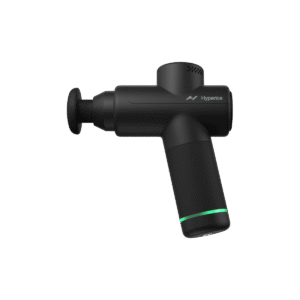


Some links are affiliate links. If you buy through them, ItHurts.com may earn a small commission at no extra cost to you.
Warning signs to act on
Get urgent care for widespread pain with:
- High fever, stiff neck, confusion, or a rash that does not fade when pressed
- Severe muscle pain and weakness with very dark urine, especially after intense exercise or a new medicine
- Difficulty breathing or chest pain
- New weakness or numbness
See a doctor soon if you notice: unexplained weight loss, night sweats, ongoing fever, swollen joints, morning stiffness lasting more than an hour, new headaches with jaw pain or vision changes (especially over 50), or pain that is steadily getting worse.

Preparing for an appointment
Widespread pain can be hard to describe in a short appointment. A little preparation helps:
- Mark on a simple body outline where you hurt.
- Describe the pain: aching, burning, stiff, tender to touch.
- Note when it started, whether it is worse at certain times of day, and what makes it better or worse.
- List other symptoms, such as fatigue, sleep problems, mood changes, rashes, joint swelling or digestive issues.
- Bring a list of all medicines and supplements.
- Share how the pain affects work, family life and activities.
Your doctor may suggest blood tests to check for inflammation, thyroid function, vitamin levels, or autoimmune markers. Normal results do not mean your pain is not real; they help narrow down the cause.
Pacing your energy
When pain is widespread, the boom-and-bust cycle is common: doing a lot on a good day, then paying for it over the next few. Pacing aims to smooth this out. Many people find it helps to break tasks into smaller chunks, alternate active and restful tasks, plan rest before you need it, and gradually increase activity when things are stable.
Sleep as part of the plan
Poor sleep and pain feed each other. Regular sleep and wake times, a cool, dark bedroom, limiting caffeine later in the day, and a wind-down routine help many people. If you snore heavily, wake unrefreshed, or feel sleepy during the day, mention it to your doctor, as sleep disorders can worsen pain.
Gentle movement
It is natural to rest more when everything hurts, but long periods of inactivity tend to lead to stiffness and lower stamina. Gentle, regular activity such as walking, water exercise, stretching, tai chi or yoga is often recommended for long-term widespread pain. Start with small amounts, and increase slowly. A physical therapist can help design a plan that fits your body.
Other things people find helpful
- Warm baths, showers or heat packs on the sorest areas
- Relaxation techniques, such as slow breathing or guided body scans
- Talking therapies that help with living with pain and the stress around it
- Staying connected with friends and activities you enjoy, even in smaller ways
Being believed
People with widespread pain, especially when tests are normal, sometimes feel doubted by others or even by themselves. Your pain is real. If you feel unheard, it is reasonable to ask for a second opinion or referral to a rheumatologist or pain clinic. If pain is affecting your mood, tell your doctor. If you are having thoughts of harming yourself, call or text 988 in the US, or your local emergency number elsewhere.
Takeaway
Full body pain can come from short-term causes like viral illness or overexertion, or long-term conditions such as fibromyalgia, thyroid or inflammatory diseases. Watch for warning signs, prepare well for appointments, and use pacing, sleep habits and gentle movement to support yourself while you look for answers.
The free Pain Check-Up can help you map out where and how you hurt. For community, explore the whole-body, nerve and fibromyalgia groups.
Others Understand Widespread Pain
Our full body pain group is a supportive place to share pacing tips and hard days.
Join the Full Body Pain GroupReviewed by the ItHurts editorial team · Last reviewed 18 October 2026 · General information, not medical advice. If you are worried about your symptoms, talk to a doctor.