
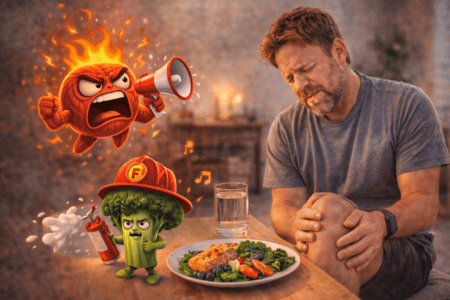
ItHurts Ouch Files: Nutrition Counseling Edition Your Plate Is Gaslighting You: How Nutrition Counseling Can Make Your Pain Shut Up Nutrition plays a powerful role in inflammation, muscle recovery, and overall health. Nutrition counseling helps people understand how dietary choices may influence pain levels, energy, and long-term physical wellbeing. Food does more than provide energy—it affects inflammation, tissue repair, and nervous system function. When nutrition lacks balance, the body may experience fatigue, joint discomfort, headaches, or increased pain sensitivity. Nutrition counseling focuses on identifying patterns, improving nutrient intake, and building sustainable eating habits that support long-term health. 3 Practical Nutrition Strategies That May Help Reduce Pain 🔥 Feed the Body Anti-Inflammatory Foods Including foods rich in omega-3 fatty acids and antioxidants—such as fatty fish, leafy greens, berries, olive oil, turmeric, and ginger—may help reduce inflammatory responses associated with chronic pain. 💪 Include Protein in Every Meal Protein supports muscle repair, joint stability, and overall tissue recovery. Balanced meals that include protein sources such as eggs, yogurt, beans, tofu, fish, or lean meats can support musculoskeletal health. 💧 Maintain Consistent Hydration Adequate hydration helps support joint lubrication, circulation, and muscle function. Drinking water regularly throughout the day may reduce headaches, muscle cramps, and fatigue. The Honest Reality Nutrition alone may not eliminate pain, but balanced eating habits can reduce inflammation, support recovery, and improve overall resilience. Working with a qualified nutrition professional can help personalize dietary choices based on individual health needs. If it Hurts we can help. Join a community where people share real experiences and practical ways to manage pain and improve wellbeing. Join the ItHurts Community Disclaimer: Enjoy the “Ouch Files” for the laughs and the lessons, but treat us like a supportive friend rather than a diagnostic tool. We aren’t doctors, and this content is not medical advice. Always consult a qualified healthcare professional for diagnosis and treatment of persistent symptoms.
 Written by Karrie