
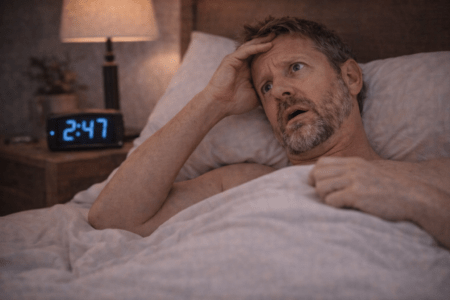
ItHurts Ouch Files: Sleep Hygiene Edition Sleep Hygiene: Why Your Bed Is Betraying You (And How to Get It Back on Your Side) Sleep hygiene refers to habits and environmental factors that support healthy, restorative sleep. Improving nighttime routines can reduce pain sensitivity, improve mood, and help the body recover more effectively. Many people struggle with sleep not because they cannot sleep, but because their routines and environments keep the nervous system activated late into the night. Pain, stress, bright screens, and inconsistent sleep habits can all interfere with the body’s natural sleep cycle. Improving sleep hygiene helps signal the brain that it is safe to relax and transition into deeper stages of sleep where healing and recovery occur. 3 Practical Sleep Hygiene Strategies 🛏️ Reserve the Bed for Sleep Avoid working, scrolling, or watching television in bed. When the brain associates the bed with rest rather than stimulation, falling asleep becomes easier and more consistent. 🌙 Reduce Bright Light Before Bed Dim lights and limit screen exposure in the hour before bedtime. Lower lighting supports melatonin production, which helps regulate sleep cycles and may reduce nighttime pain sensitivity. 🧠 Reset When Sleep Doesn’t Come If you remain awake for about 20 minutes, get out of bed and engage in a quiet activity such as gentle stretching, reading, or breathing exercises until you feel sleepy again. The Honest Reality Improving sleep hygiene does not usually change sleep overnight, but small consistent habits can gradually improve sleep quality, reduce fatigue, and support better physical recovery. If it Hurts we can help. Join a supportive community where people share real experiences and strategies for managing pain, fatigue, and sleep challenges. Join the ItHurts Community Disclaimer: Enjoy the “Ouch Files” for the laughs and the lessons, but treat us like a supportive friend rather than a diagnostic tool. We aren’t doctors, and this content is not medical advice. Always consult a qualified healthcare professional for diagnosis and treatment of persistent symptoms.
 Written by Karrie