United States
Afghanistan
Albania
Algeria
Andorra
Angola
Argentina
Armenia
Australia
Austria
Azerbaijan
Bahrain
Bangladesh
Barbados
Belarus
Belgium
Belize
Benin
Bhutan
Bolivia
Bosnia and Herzegovina
Botswana
Brazil
Brunei
Bulgaria
Burkina Faso
Burundi
Cambodia
Cameroon
Canada
Cape Verde
Central African Republic
Chad
Chile
China
Colombia
Comoros
Congo
Costa Rica
Croatia
Cuba
Cyprus
Czech Republic
Denmark
Djibouti
Dominican Republic
Ecuador
Egypt
El Salvador
Estonia
Ethiopia
Finland
France
Gabon
Gambia
Georgia
Germany
Ghana
Greece
Guatemala
Guinea
Guyana
Haiti
Honduras
Hungary
Iceland
India
Indonesia
Iran
Iraq
Ireland
Israel
Italy
Jamaica
Japan
Jordan
Kazakhstan
Kenya
Kuwait
Kyrgyzstan
Laos
Latvia
Lebanon
Lesotho
Liberia
Libya
Lithuania
Luxembourg
Madagascar
Malawi
Malaysia
Maldives
Mali
Malta
Mauritania
Mauritius
Mexico
Moldova
Mongolia
Montenegro
Morocco
Mozambique
Myanmar
Namibia
Nepal
Netherlands
New Zealand
Nicaragua
Niger
Nigeria
Norway
Oman
Pakistan
Panama
Paraguay
Peru
Philippines
Poland
Portugal
Qatar
Romania
Russia
Rwanda
Saudi Arabia
Senegal
Serbia
Singapore
Slovakia
Slovenia
South Africa
South Korea
Spain
Sri Lanka
Sudan
Sweden
Switzerland
Syria
Taiwan
Tajikistan
Tanzania
Thailand
Turkey
Turkmenistan
Uganda
Ukraine
United Arab Emirates
United Kingdom
United States
Uruguay
Uzbekistan
Venezuela
Vietnam
Yemen
Zambia
Zimbabwe

News

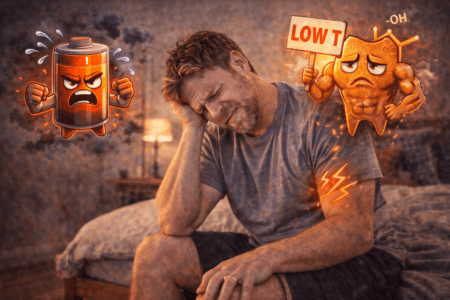
Low Testosterone: When Your Body Puts Itself on Airplane Mode Without Asking You

ItHurts Ouch Files: Low Testosterone Edition Low Testosterone: When Your Body Puts Itself on Airplane Mode Without Asking You Low testosterone can affect energy levels, muscle strength, mood, and overall physical resilience. Addressing lifestyle factors such as exercise, nutrition, and sleep can help support hormonal balance and reduce associated discomfort. Testosterone plays an important role in muscle maintenance, bone strength, mood regulation, and recovery. When levels drop, people may experience fatigue, joint discomfort, reduced muscle mass, and decreased motivation. While medical evaluation is important for diagnosing hormone imbalances, several lifestyle habits can help support healthy hormone function. 3 Practical Ways to Support Testosterone Levels 🏋️‍♂️ Include Regular Strength Training Resistance exercises such as squats, push-ups, and weight training help stimulate muscle activity and support healthy hormone production. 🥩 Focus on Balanced Nutrition Eating sufficient protein, healthy fats, and micronutrients such as zinc, magnesium, and vitamin D supports overall hormonal health and muscle recovery. 😴 Prioritize Quality Sleep Adequate sleep plays a critical role in hormone regulation. Maintaining a consistent sleep schedule and creating a restful environment can support natural hormone cycles. The Honest Reality Hormonal health is influenced by many factors including lifestyle, nutrition, sleep, and medical conditions. If symptoms such as persistent fatigue, mood changes, or muscle weakness occur, consulting a healthcare professional for evaluation and testing is important. If it Hurts we can help. Connect with others who understand the experience of managing pain and health challenges. Join the ItHurts Community Disclaimer: Enjoy the “Ouch Files” for the laughs and the lessons, but treat us like a supportive friend rather than a diagnostic tool. We aren’t doctors, and this content is not medical advice. Always consult a qualified healthcare professional for diagnosis and treatment of persistent symptoms.

Your Body Isn’t Broken—It’s Just Thirsty: The Petty, Dehydrated Reason You’re in Pain

ItHurts Ouch Files: Hydration Edition Your Body Isn’t Broken—It’s Just Thirsty: The Petty, Dehydrated Reason You’re in Pain Hydration plays a key role in muscle function, joint lubrication, and overall body performance. Drinking enough fluids and maintaining electrolyte balance can help reduce headaches, muscle tension, and fatigue associated with dehydration. Water supports nearly every system in the body. When hydration levels drop, muscles may tighten, joints may feel stiff, and headaches or fatigue can become more common. Maintaining proper hydration helps tissues function smoothly and supports recovery after physical activity. Small changes in daily hydration habits can have a noticeable impact on comfort and energy levels. 3 Practical Hydration Tips for Reducing Pain 💦 Drink Water Consistently Throughout the Day Instead of waiting until you feel thirsty, sip water regularly throughout the day. Starting the morning with a glass of water can help support hydration before caffeine or other beverages. 🧂 Maintain Electrolyte Balance Electrolytes such as sodium, potassium, and magnesium help support nerve signaling and muscle contractions. Including electrolyte-rich foods or drinks can help maintain balance, especially during physical activity. 🚰 Hydrate During Recovery After physical activity or periods of stress, drinking water helps support circulation, nutrient delivery, and tissue recovery. Staying hydrated can also reduce muscle soreness and tension. The Honest Reality Hydration alone will not solve every pain issue, but maintaining proper fluid levels can help reduce unnecessary strain on muscles and joints. Combined with healthy movement and recovery habits, hydration can play an important role in overall comfort and wellbeing. If it Hurts we can help. Connect with a community where people share real experiences and practical ways to manage pain. Join the ItHurts Community Disclaimer: Enjoy the “Ouch Files” for the laughs and the lessons, but treat us like a supportive friend rather than a diagnostic tool. We aren’t doctors, and this content is not medical advice. Always consult a qualified healthcare professional for diagnosis and treatment of persistent symptoms.

Heat Things Up: How to Melt Your Pain Without Turning Yourself Into a Rotisserie Chicken

ItHurts Ouch Files: Heat Therapy Edition Heat Things Up: How to Melt Your Pain Without Turning Yourself Into a Rotisserie Chicken Heat therapy can help relax tight muscles, improve circulation, and calm the nervous system. When used properly, it can reduce muscle tension and support recovery from chronic aches and stiffness. Heat therapy works by increasing blood flow and relaxing muscle tissue. This can help reduce stiffness and improve flexibility in areas where muscles feel tight or guarded. While heat can be soothing and effective for certain types of pain, it should be applied carefully and used at the right time to avoid irritation or worsening inflammation. 3 Practical Heat Therapy Tips ♨️ Use Warm, Not Extreme Heat Apply gentle warmth for about 15–20 minutes at a time. The heat should feel comfortable and relaxing rather than excessively hot. 🧘 Combine Heat With Relaxation Use heat while resting, breathing deeply, or doing light stretching. Relaxing the body helps the nervous system respond more positively to the warmth. ⏰ Use Heat at the Right Time Heat therapy works best for muscle stiffness and chronic tension. Avoid applying heat to fresh injuries, swelling, or areas that feel inflamed. The Honest Reality Heat therapy can provide meaningful relief for muscle tension and stiffness, but it works best when combined with movement, stretching, and proper recovery habits. Consistency and moderation are key. If it Hurts we can help. Connect with people who understand the challenges of living with pain and share practical strategies for relief. Join the ItHurts Community Disclaimer: Enjoy the “Ouch Files” for the laughs and the lessons, but treat us like a supportive friend rather than a diagnostic tool. We aren’t doctors, and this content is not medical advice. Always consult a qualified healthcare professional for diagnosis and treatment of persistent symptoms.

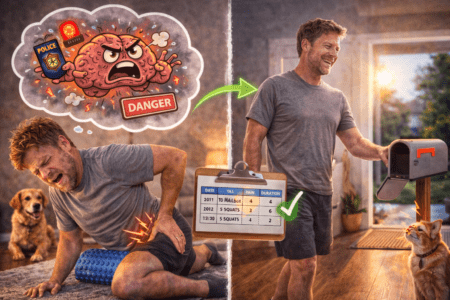
Your Brain Is Not Broken—It’s Just Dramatic: How Graded Exposure Teaches Pain to Calm the Hell Down

ItHurts Ouch Files: Graded Exposure Edition Your Brain Is Not Broken—It’s Just Dramatic: How Graded Exposure Teaches Pain to Calm Down Graded exposure is a pain-management approach that gradually reintroduces movements or activities the body has learned to fear. By progressing slowly and safely, this method helps retrain the nervous system and rebuild confidence in movement. Sometimes pain persists even after tissues have healed because the nervous system has become overly protective. Graded exposure helps break this cycle by slowly exposing the body to safe movement again. With repetition and consistency, the brain learns that the activity is not harmful. This method is commonly used in rehabilitation programs to help people regain mobility and reduce fear of movement. 3 Practical Graded Exposure Strategies 🐢 Start With Small, Manageable Movements Choose a movement that feels difficult or intimidating and begin with a very small version of it. Progress gradually over time to rebuild confidence and tolerance. 🚨 Expect Sensations, Not Injury Some mild discomfort can occur while retraining movement. Focus on calm breathing and controlled motion while observing how the body responds. 📊 Progress Gradually and Track Changes Increase activity slowly by adjusting one variable at a time—such as duration, repetitions, or range of motion—to help the nervous system adapt without overload. The Honest Reality Graded exposure is not about forcing movement or ignoring pain signals. It is about gradually building tolerance and teaching the body that safe movement is possible again. With patience and consistency, many people regain mobility and reduce pain sensitivity. If it Hurts we can help. Join a community where people share real experiences and practical strategies for managing pain. Join the ItHurts Community Disclaimer: Enjoy the “Ouch Files” for the laughs and the lessons, but treat us like a supportive friend rather than a diagnostic tool. We aren’t doctors, and this content is not medical advice. Always consult a qualified healthcare professional for diagnosis and treatment of persistent symptoms.

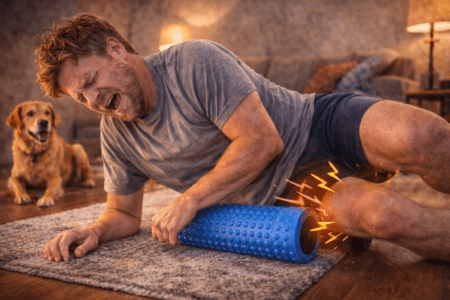
Foam Rolling: Why You’re Voluntarily Lying on the Floor Like an Injured Seal (and Why It Works)

ItHurts Ouch Files: Foam Rolling Edition Foam Rolling: Why You’re Voluntarily Lying on the Floor Like an Injured Seal (and Why It Works) Foam rolling is a form of self-myofascial release that helps reduce muscle tension, improve circulation, and support recovery after activity. When performed correctly, it can improve mobility and reduce stiffness in commonly overworked muscle groups. Muscle tightness and soreness often develop from repetitive movement, poor posture, stress, or lack of recovery. Foam rolling applies gentle pressure to muscles and connective tissue, helping improve circulation and encourage muscles to relax. Used regularly, foam rolling can support flexibility, reduce stiffness, and improve movement quality. 3 Practical Foam Rolling Tips 🧘 Roll Slowly and Breathe Move slowly across the muscle—about one inch per second—and breathe normally. Pause on tight spots for 20–30 seconds to allow the muscle to gradually relax. ⚠️ Avoid Excessive Pressure Foam rolling should create moderate discomfort but not sharp or intense pain. Too much pressure can cause muscles to tighten rather than release. 🎯 Focus on Key Muscle Groups Common areas that benefit from foam rolling include the calves, quadriceps, hip flexors, glutes, and upper back. Targeting these areas can improve mobility and reduce tension throughout the body. The Honest Reality Foam rolling is not a quick fix, but consistent practice can help maintain muscle health, improve flexibility, and support recovery after physical activity. Pairing foam rolling with stretching and regular movement often provides the best results. If it Hurts we can help. Connect with a community that understands pain and shares practical ways to manage it. Join the ItHurts Community Disclaimer: Enjoy the “Ouch Files” for the laughs and the lessons, but treat us like a supportive friend rather than a diagnostic tool. We aren’t doctors, and this content is not medical advice. Always consult a qualified healthcare professional for diagnosis and treatment of persistent symptoms.

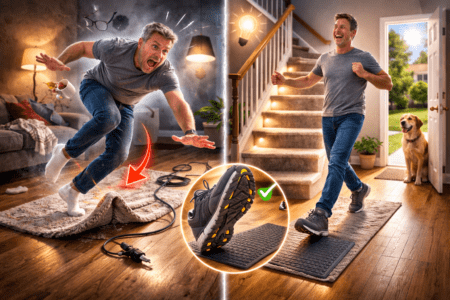
Fall Prevention: Because Gravity Is Aggressive and You Are Not a Cartoon Character

ItHurts Ouch Files: Fall Prevention Edition Fall Prevention: Because Gravity Is Aggressive and You Are Not a Cartoon Character Falls are a common cause of injury and pain, especially in everyday environments like the home. Simple adjustments to lighting, balance training, and footwear can greatly reduce fall risk and improve confidence while moving. Many falls occur during routine daily activities such as walking through poorly lit areas, stepping on loose objects, or losing balance while turning or standing. Preventing these situations often comes down to improving environmental safety and strengthening balance. Small changes can significantly reduce fall risk and help maintain mobility and independence. 3 Practical Fall Prevention Strategies 🏠 Reduce Tripping Hazards at Home Remove loose rugs or secure them with non-slip pads, improve lighting in hallways and stairways, and keep walking areas clear of cords, clutter, or objects that could cause trips. 🦶 Practice Balance Exercises Regularly Simple exercises such as standing on one leg, walking heel-to-toe, or rising from a chair without using your hands can strengthen stabilizing muscles and improve coordination. 👟 Wear Supportive Footwear Shoes with good grip and support help maintain stability and reduce the risk of slipping. Non-slip socks or supportive indoor footwear can also improve traction on smooth floors. The Honest Reality Fall prevention is about preparation rather than fear. Improving home safety, strengthening balance, and wearing appropriate footwear can help reduce injury risk and allow people to move more confidently in daily life. If it Hurts we can help. Join a community where people share experiences and practical ways to manage pain and stay active. Join the ItHurts Community Disclaimer: Enjoy the “Ouch Files” for the laughs and the lessons, but treat us like a supportive friend rather than a diagnostic tool. We aren’t doctors, and this content is not medical advice. Always consult a qualified healthcare professional for diagnosis and treatment of persistent symptoms.