United States
Afghanistan
Albania
Algeria
Andorra
Angola
Argentina
Armenia
Australia
Austria
Azerbaijan
Bahrain
Bangladesh
Barbados
Belarus
Belgium
Belize
Benin
Bhutan
Bolivia
Bosnia and Herzegovina
Botswana
Brazil
Brunei
Bulgaria
Burkina Faso
Burundi
Cambodia
Cameroon
Canada
Cape Verde
Central African Republic
Chad
Chile
China
Colombia
Comoros
Congo
Costa Rica
Croatia
Cuba
Cyprus
Czech Republic
Denmark
Djibouti
Dominican Republic
Ecuador
Egypt
El Salvador
Estonia
Ethiopia
Finland
France
Gabon
Gambia
Georgia
Germany
Ghana
Greece
Guatemala
Guinea
Guyana
Haiti
Honduras
Hungary
Iceland
India
Indonesia
Iran
Iraq
Ireland
Israel
Italy
Jamaica
Japan
Jordan
Kazakhstan
Kenya
Kuwait
Kyrgyzstan
Laos
Latvia
Lebanon
Lesotho
Liberia
Libya
Lithuania
Luxembourg
Madagascar
Malawi
Malaysia
Maldives
Mali
Malta
Mauritania
Mauritius
Mexico
Moldova
Mongolia
Montenegro
Morocco
Mozambique
Myanmar
Namibia
Nepal
Netherlands
New Zealand
Nicaragua
Niger
Nigeria
Norway
Oman
Pakistan
Panama
Paraguay
Peru
Philippines
Poland
Portugal
Qatar
Romania
Russia
Rwanda
Saudi Arabia
Senegal
Serbia
Singapore
Slovakia
Slovenia
South Africa
South Korea
Spain
Sri Lanka
Sudan
Sweden
Switzerland
Syria
Taiwan
Tajikistan
Tanzania
Thailand
Turkey
Turkmenistan
Uganda
Ukraine
United Arab Emirates
United Kingdom
United States
Uruguay
Uzbekistan
Venezuela
Vietnam
Yemen
Zambia
Zimbabwe

News

Pregnancy Is Not Supposed to Feel Like a 9-Month Food Poisoning Festival (Yet Here We Are)

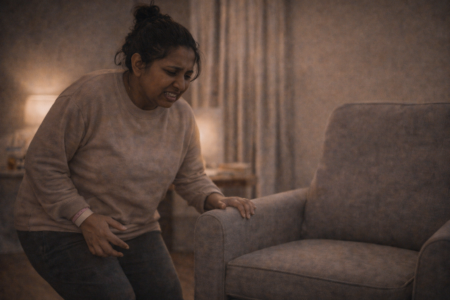
ItHurts Ouch Files: Hyperemesis Gravidarum Edition Pregnancy Is Not Supposed to Feel Like a 9-Month Food Poisoning Festival (Yet Here We Are) Hyperemesis Gravidarum (HG) is a severe form of pregnancy-related nausea and vomiting that can lead to dehydration, weight loss, and extreme fatigue. It goes beyond typical morning sickness and often requires medical support and careful management. Pregnancy doesn’t always look like glowing skin and cute cravings. For some, it feels like constant nausea, exhaustion, and a body that refuses to cooperate. If you’re dealing with Hyperemesis Gravidarum, this isn’t “just morning sickness.” It’s intense, persistent, and overwhelming—and it deserves real attention. You’re not being dramatic. You’re dealing with something real—and there are ways to make it more manageable. 3 Practical Ways to Cope and Recover 🤢 Eat Small, Frequent Portions Stick to tiny, manageable snacks instead of full meals. Bland, cold, and low-odor foods can help reduce nausea triggers. 💧 Focus on Hydration Take small sips regularly and consider electrolyte drinks or ice-based options. Staying hydrated is essential for managing symptoms. 🛌 Prioritize Rest Allow your body to recover by resting in a comfortable position, staying cool, and minimizing sensory triggers that worsen nausea. The Recovery Reality HG is not something to ignore or “push through.” If symptoms are severe, persistent, or affecting your ability to stay hydrated or nourished, medical care is essential. You’re not weak—you’re navigating something difficult. And you deserve proper support while doing it. If it Hurts we can help. Join a supportive community where people share real experiences, survival strategies, and encouragement—without judgment. Join the ItHurts Community Disclaimer: Enjoy the “Ouch Files” for the laughs and the lessons, but treat us like a supportive friend rather than a diagnostic tool. We aren’t doctors, and this content is not medical advice. Always consult a qualified healthcare professional for diagnosis and treatment of persistent symptoms.

Congratulations on the Baby. Sorry About the Surprise Exit Wound.

ItHurts Ouch Files: Episiotomy Pain Edition Congratulations on the Baby. Sorry About the Surprise Exit Wound. Episiotomy pain occurs after a surgical incision made during childbirth to assist delivery. Healing can involve soreness, swelling, and discomfort while sitting, moving, or performing daily activities, but proper care can support recovery. Childbirth prepares you for many things—but not always for the healing that follows. Episiotomy pain can make simple movements feel uncomfortable and turn everyday activities into cautious negotiations. If sitting, walking, or even shifting position feels challenging, you’re not being dramatic—you’re healing. And healing deserves support, not dismissal. The good news? There are practical ways to reduce discomfort and help your body recover. 3 Practical Ways to Ease the Pain ❄️ Use Cold Therapy Apply a wrapped cold pack for 10–15 minutes, a few times a day. Cold helps reduce swelling and numbs pain, providing temporary relief. 👑 Reduce Pressure While Sitting Use a soft cushion or donut pillow and sit upright. Reducing direct pressure helps the area heal more comfortably. 🚿 Try Warm Sitz Baths Soak in warm water for 10–20 minutes once or twice daily. This promotes blood flow, relaxes muscles, and supports healing. The Recovery Reality Healing after childbirth takes time. Discomfort in sensitive areas can affect both your body and your confidence—but it doesn’t last forever. Your body has been through something significant. Giving it patience, care, and rest is not optional—it’s essential. If it Hurts we can help. Join a supportive community where people share real experiences, recovery tips, and encouragement—without judgment. Join the ItHurts Community Disclaimer: Enjoy the “Ouch Files” for the laughs and the lessons, but treat us like a supportive friend rather than a diagnostic tool. We aren’t doctors, and this content is not medical advice. Always consult a qualified healthcare professional for diagnosis and treatment of persistent symptoms.

When Your Uterus Goes Rogue: A Darkly Funny Survival Guide to Endometrial Cancer Pain

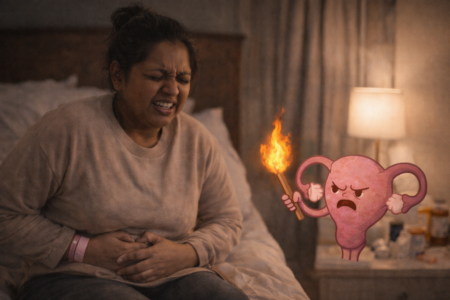
ItHurts Ouch Files: Endometrial Cancer Pain Edition When Your Uterus Goes Rogue: A Darkly Funny Survival Guide to Endometrial Cancer Pain Endometrial cancer–related pain can involve pelvic discomfort, cramping, inflammation, and fatigue, often influenced by both the condition and its treatments. It affects physical comfort, emotional well-being, and daily functioning. Endometrial cancer pain doesn’t arrive quietly. It can feel sudden, overwhelming, and deeply disruptive—affecting not just your body, but your routine, energy, and emotional state. If you’re feeling exhausted, confused, or frustrated, you’re not alone—and you’re not overreacting. Pain is your body’s signal that something needs attention. This isn’t something to ignore or endure silently. It’s something to understand, manage, and approach with the right support. 3 Practical Ways to Manage the Pain 🩸 Track and Communicate Your Pain Monitor when pain occurs, how it feels, and what triggers it. Clear communication with healthcare providers can lead to better care and treatment decisions. 🔥 Reduce Inflammation and Support Your Body Focus on anti-inflammatory nutrition, gentle movement, and safe heat therapy to help reduce discomfort and improve overall well-being. 🧠 Support Your Nervous System Use breathing techniques, relaxation practices, and emotional support systems to reduce stress and help manage pain more effectively. The Recovery Reality Pain during serious conditions like this is real, complex, and deserving of attention. You are not weak for feeling it, and you are not alone in navigating it. With the right support—medical, emotional, and community-based—you can manage this more effectively and regain a sense of control. If it Hurts we can help. Join a supportive community where people share real experiences, guidance, and encouragement while navigating pain and recovery. Join the ItHurts Community Disclaimer: Enjoy the “Ouch Files” for the laughs and the lessons, but treat us like a supportive friend rather than a diagnostic tool. We aren’t doctors, and this content is not medical advice. Always consult a qualified healthcare professional for diagnosis and treatment of persistent symptoms.

When Sex Feels Like a Betrayal: A Survival Guide for Dyspareunia (a.k.a. “Why Is My Body Filing a Complaint?”)

ItHurts Ouch Files: Dyspareunia Edition When Sex Feels Like a Betrayal: A Survival Guide for Dyspareunia (a.k.a. “Why Is My Body Filing a Complaint?”) Dyspareunia is persistent or recurrent pain during sexual activity, often linked to pelvic floor tension, hormonal changes, inflammation, or underlying medical conditions. It can affect both physical comfort and emotional well-being, but with the right approach, it is manageable. Sex is supposed to feel good—not like your body is staging a protest. But for many people, intimacy can feel like an ambush, where comfort disappears and pain takes over unexpectedly. If you’ve ever wondered whether this is normal, the answer is simple: it’s common—but it’s not something you have to accept. This isn’t about “trying harder” or “relaxing more.” It’s about understanding what your body is experiencing and responding with the right tools. 3 Practical Ways to Reduce Pain and Regain Control 🔹 Address the Root Cause Seek support from a pelvic floor specialist if needed. Gentle breathing and relaxation techniques can help reduce muscle tension and improve comfort. 🧴 Use Lubrication Strategically Proper lubrication reduces friction and protects sensitive tissues. Choose high-quality, fragrance-free options and use generously. 🧠 Rebuild Safety Gradually Take pressure off painful experiences and focus on comfort-first intimacy. Gradual progression helps retrain your body to feel safe again. The Recovery Reality Pain during sex is not something you should ignore or normalize. It’s your body communicating—and that communication deserves attention. You deserve comfort, control, and a sense of safety in your own body. And with the right support, that is absolutely possible. If it Hurts we can help. Join a supportive community where people share real experiences, guidance, and encouragement—without judgment or stigma. Join the ItHurts Community Disclaimer: Enjoy the “Ouch Files” for the laughs and the lessons, but treat us like a supportive friend rather than a diagnostic tool. We aren’t doctors, and this content is not medical advice. Always consult a qualified healthcare professional for diagnosis and treatment of persistent symptoms.

Your Uterus Is a Tiny Drama Queen: A Survival Guide to Dysmenorrhea (a.k.a. Period Pain That Deserves an Apology)

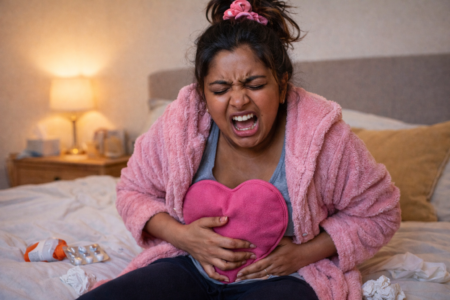
ItHurts Ouch Files: Dysmenorrhea Edition Your Uterus Is a Tiny Drama Queen: A Survival Guide to Dysmenorrhea Dysmenorrhea refers to painful menstrual cramps caused by uterine contractions and inflammation. Symptoms can include lower abdominal pain, back pain, nausea, and fatigue, often interfering with daily activities. If cramps were a person, they’d be the coworker who ruins your day and pretends it’s your fault. Dysmenorrhea isn’t mild discomfort—it’s a full-body experience with pain, fatigue, and mood swings all showing up uninvited. This kind of pain can feel overwhelming, but it doesn’t mean you’re weak or dramatic. It means your body is reacting—and you can respond with the right strategies. You don’t need to “just push through.” You need better tools. 3 Practical Ways to Reduce Period Pain 🔥 Use Heat as a Primary Tool Apply a heating pad or hot water bottle to your lower abdomen or back for 15–30 minutes. Heat helps relax muscles and reduce the intensity of cramps. 🧘‍♀️ Move Gently Light movement like walking, stretching, or gentle yoga can improve circulation and release natural pain-relieving chemicals in the body. 🥗 Support Your Body with Nutrition Focus on anti-inflammatory foods, magnesium-rich options, and hydration. Reducing processed foods and excess caffeine can also help manage symptoms. The Recovery Reality Severe period pain that disrupts your life is not something you should ignore. It can be a sign that your body needs more support or medical attention. You’re not overreacting. You’re responding to real pain—and that deserves to be taken seriously. If it Hurts we can help. Join a supportive community where people share experiences, solutions, and encouragement—without judgment or dismissal. Join the ItHurts Community Disclaimer: Enjoy the “Ouch Files” for the laughs and the lessons, but treat us like a supportive friend rather than a diagnostic tool. We aren’t doctors, and this content is not medical advice. Always consult a qualified healthcare professional for diagnosis and treatment of persistent symptoms.

Your Cervix Did Not Wake Up Choosing Violence — But Cervical Cancer Sure Did

ItHurts Ouch Files: Cervical Cancer Pain Edition Your Cervix Did Not Wake Up Choosing Violence — But Cervical Cancer Sure Did Cervical cancer–related pain may arise from the condition itself or from treatments such as surgery, radiation, or chemotherapy. It can include pelvic pain, nerve discomfort, inflammation, and fatigue, affecting both physical and emotional well-being. Cervical cancer doesn’t always announce itself loudly. Sometimes it stays quiet—until it doesn’t. And when it does, it can feel overwhelming, confusing, and deeply personal. The pain isn’t just physical. It can involve inflammation, nerve sensitivity, muscle tension, and the emotional weight of navigating something serious. This isn’t something to ignore or “push through.” It’s something to understand, manage, and respond to with the right support. 3 Practical Ways to Manage the Pain 🩺 Treat Pain as Important Information Track when and how pain occurs, and communicate clearly with healthcare providers. Specific details can lead to better treatment and pain management strategies. 🧘‍♀️ Calm the Nervous System Practice slow breathing and gentle relaxation techniques. Reducing stress and tension can help decrease how intensely pain is experienced. 🥗 Support Your Body with Nutrition and Hydration Focus on hydration and anti-inflammatory foods to support healing and reduce discomfort. Small daily habits can have a meaningful impact over time. The Recovery Reality Pain doesn’t make you weak. It makes you aware. And awareness is a powerful step toward better care and better outcomes. You deserve support, understanding, and access to the right tools—not silence or dismissal. If it Hurts we can help. Join a supportive community where people share real experiences, guidance, and encouragement while navigating serious health challenges. Join the ItHurts Community Disclaimer: Enjoy the “Ouch Files” for the laughs and the lessons, but treat us like a supportive friend rather than a diagnostic tool. We aren’t doctors, and this content is not medical advice. Always consult a qualified healthcare professional for diagnosis and treatment of persistent symptoms.