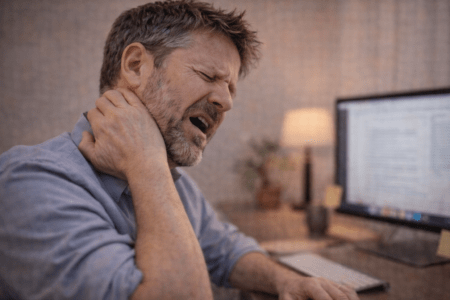
ItHurts Ouch Files: Stress & Pain Edition Stress Is Not a Personality Trait: How to Stop Living Like You’re in a Low-Grade Emergency Chronic stress can affect muscles, nerves, digestion, sleep, and pain perception. Learning how to regulate the nervous system can help reduce tension, improve recovery, and lower the intensity of pain flare-ups. Stress doesn’t only affect thoughts and emotions—it also affects the body. When the nervous system remains in a constant fight-or-flight state, muscles stay tense, inflammation may increase, and pain sensitivity can rise. Learning to regulate stress responses can help calm the nervous system and reduce the physical impact that chronic stress has on the body. 3 Practical Stress-Reduction Strategies 🧠 Interrupt Stress Early Short breathing exercises—such as inhaling for four seconds and exhaling for six seconds—can activate the body’s relaxation response and help reduce muscle tension. 🏃 Use Movement to Release Stress Hormones Light physical activity such as walking, stretching, or gentle exercise can help metabolize stress hormones and support emotional regulation. 🛌 Protect Sleep and Recovery Time Consistent sleep routines, reduced nighttime screen exposure, and healthy boundaries with work and responsibilities can support nervous system recovery. The Honest Reality Stress management is not about eliminating stress entirely. Small daily habits that regulate the nervous system can gradually reduce tension, improve resilience, and help the body respond to pain more effectively. If it Hurts we can help. Join a supportive community where people share real experiences and strategies for managing pain, stress, and everyday challenges. Join the ItHurts Community Disclaimer: Enjoy the “Ouch Files” for the laughs and the lessons, but treat us like a supportive friend rather than a diagnostic tool. We aren’t doctors, and this content is not medical advice. Always consult a qualified healthcare professional for diagnosis and treatment of persistent symptoms.
ItHurts Ouch Files: Strength Training Edition Lift Weights Before Your Pain Starts Writing Yelp Reviews Strength training can improve joint stability, increase circulation, and support healthier movement patterns. When performed progressively and safely, resistance training can help reduce strain on joints and support long-term pain management. Weak or underused muscles often place additional stress on joints, tendons, and surrounding tissues. Over time, this imbalance can contribute to chronic discomfort and reduced mobility. Progressive strength training helps build muscle support around joints, improves blood flow to tissues, and can increase confidence in movement for people managing chronic pain. 3 Practical Strength Training Strategies 🏋️ Start with Light Resistance Beginning with bodyweight exercises, resistance bands, or light dumbbells allows the body to adapt gradually while minimizing flare-ups. 🧠 Prioritize Consistency Over Intensity Short strength sessions two or three times per week can be more effective than occasional intense workouts. Gradual progression helps the body build resilience safely. 🩹 Monitor Pain Signals During Exercise Mild muscle soreness can be normal, but sharp or increasing joint pain may indicate the need to modify technique, reduce load, or adjust range of motion. The Honest Reality Strength training is not about lifting the heaviest weights possible. Over time, progressive resistance and proper form can improve stability, reduce strain on joints, and support healthier movement in everyday life. If it Hurts we can help. Join a supportive community where people share real experiences and strategies for managing pain and improving strength safely. Join the ItHurts Community Disclaimer: Enjoy the “Ouch Files” for the laughs and the lessons, but treat us like a supportive friend rather than a diagnostic tool. We aren’t doctors, and this content is not medical advice. Always consult a qualified healthcare professional for diagnosis and treatment of persistent symptoms.
ItHurts Ouch Files: Smoking & Pain Edition Smoking: The Only Relationship That Steals Your Money, Oxygen, and Joy Smoking affects circulation, oxygen delivery, and inflammation levels throughout the body. Over time, these effects can worsen pain, slow healing, and increase fatigue. Nicotine and tobacco smoke affect nearly every system in the body. Smoking reduces blood flow, irritates nerves, and increases inflammation, which can worsen chronic pain and slow recovery from injury. Quitting smoking can improve circulation, oxygen delivery, and overall healing. Many people report improvements in pain levels, energy, and breathing within weeks of stopping. 3 Practical Strategies to Reduce Pain by Quitting Smoking 🔥 Recognize Nicotine as a Pain Trigger Nicotine constricts blood vessels and reduces oxygen delivery to tissues. Reframing cravings as temporary withdrawal symptoms can help break the habit cycle. 🧠 Use Evidence-Based Support Tools Nicotine replacement options such as patches, gum, or lozenges can help reduce withdrawal symptoms while the body adjusts to lower nicotine levels. 🛠️ Prepare Healthy Coping Strategies Hydration, light exercise, breathing exercises, and consistent sleep routines can help stabilize the body during smoking cessation and reduce stress-related pain flare-ups. The Honest Reality Quitting smoking can be challenging, but the body often begins repairing itself quickly. Improved circulation and reduced inflammation can contribute to less pain and better physical recovery over time. If it Hurts we can help. Join a supportive community where people share real experiences and strategies for managing pain and improving overall health. Join the ItHurts Community Disclaimer: Enjoy the “Ouch Files” for the laughs and the lessons, but treat us like a supportive friend rather than a diagnostic tool. We aren’t doctors, and this content is not medical advice. Always consult a qualified healthcare professional for diagnosis and treatment of persistent symptoms.
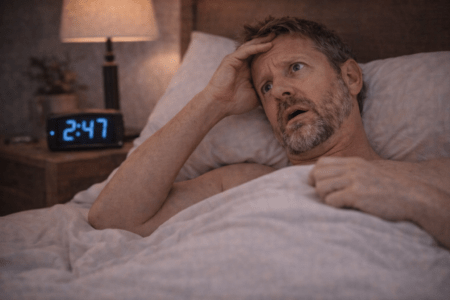
ItHurts Ouch Files: Sleep Hygiene Edition Sleep Hygiene: Why Your Bed Is Betraying You (And How to Get It Back on Your Side) Sleep hygiene refers to habits and environmental factors that support healthy, restorative sleep. Improving nighttime routines can reduce pain sensitivity, improve mood, and help the body recover more effectively. Many people struggle with sleep not because they cannot sleep, but because their routines and environments keep the nervous system activated late into the night. Pain, stress, bright screens, and inconsistent sleep habits can all interfere with the body’s natural sleep cycle. Improving sleep hygiene helps signal the brain that it is safe to relax and transition into deeper stages of sleep where healing and recovery occur. 3 Practical Sleep Hygiene Strategies 🛏️ Reserve the Bed for Sleep Avoid working, scrolling, or watching television in bed. When the brain associates the bed with rest rather than stimulation, falling asleep becomes easier and more consistent. 🌙 Reduce Bright Light Before Bed Dim lights and limit screen exposure in the hour before bedtime. Lower lighting supports melatonin production, which helps regulate sleep cycles and may reduce nighttime pain sensitivity. 🧠 Reset When Sleep Doesn’t Come If you remain awake for about 20 minutes, get out of bed and engage in a quiet activity such as gentle stretching, reading, or breathing exercises until you feel sleepy again. The Honest Reality Improving sleep hygiene does not usually change sleep overnight, but small consistent habits can gradually improve sleep quality, reduce fatigue, and support better physical recovery. If it Hurts we can help. Join a supportive community where people share real experiences and strategies for managing pain, fatigue, and sleep challenges. Join the ItHurts Community Disclaimer: Enjoy the “Ouch Files” for the laughs and the lessons, but treat us like a supportive friend rather than a diagnostic tool. We aren’t doctors, and this content is not medical advice. Always consult a qualified healthcare professional for diagnosis and treatment of persistent symptoms.
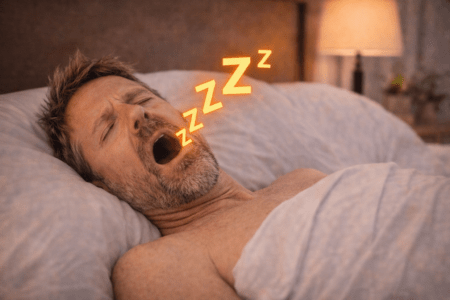
ItHurts Ouch Files: Sleep & Recovery Edition You’re Not a Bad Sleeper—You’re Being Mugged by Your Own Throat Sleep apnea occurs when breathing repeatedly stops or becomes restricted during sleep. This can reduce oxygen levels and disrupt restorative sleep, leading to fatigue, headaches, jaw tension, and daytime brain fog. Many people assume feeling exhausted is simply part of a busy life. However, sleep apnea can cause repeated nighttime breathing interruptions that prevent the body from reaching deep, restorative sleep stages. Common signs may include loud snoring, morning headaches, jaw pain, dry mouth, daytime fatigue, and difficulty concentrating. Identifying the issue early can significantly improve overall health and energy levels. 3 Practical Steps for Addressing Possible Sleep Apnea 🛑 Screen for Sleep Apnea Risk Simple screening questionnaires and at-home sleep tests can help identify possible sleep apnea. If risk factors appear, a formal sleep study can provide a clear diagnosis and guide treatment. 😴 Adjust Your Sleeping Position Sleeping on the side instead of the back may help reduce airway obstruction. Using body pillows or elevating the head of the bed slightly can also support better nighttime breathing. 🦷 Support Healthy Jaw and Airway Alignment Custom oral appliances designed by dental professionals can gently reposition the jaw to help keep the airway open. Addressing jaw tension and nighttime grinding may also improve comfort. The Honest Reality Sleep apnea affects energy, concentration, mood, and physical recovery. When breathing during sleep improves, many people notice fewer headaches, better focus, and significantly improved daytime energy. If it Hurts we can help. Join a supportive community where people share real experiences and strategies for managing pain, fatigue, and sleep challenges. Join the ItHurts Community Disclaimer: Enjoy the “Ouch Files” for the laughs and the lessons, but treat us like a supportive friend rather than a diagnostic tool. We aren’t doctors, and this content is not medical advice. Always consult a qualified healthcare professional for diagnosis and treatment of persistent symptoms.
ItHurts Ouch Files: Sexual Wellness Edition Sex Shouldn’t Feel Like a Workout Injury (Unless You’re Into That) Sexual pain can happen when muscles are tense, joints are strained, or underlying conditions affect the pelvic floor and surrounding structures. With the right awareness and adjustments, intimacy can feel comfortable and supportive rather than physically stressful. For some people, intimacy may trigger discomfort in the hips, lower back, or pelvic region. This can occur due to muscle tension, poor positioning, stress, or underlying pelvic floor dysfunction. Addressing the causes of discomfort can help improve both comfort and confidence. 3 Practical Tips for Pain-Aware Intimacy 🧠 Relax Muscle Tension Before Intimacy Stress and anxiety can cause the pelvic floor, hips, and lower back to stay tense. Taking slow breaths and gently relaxing the jaw, shoulders, and hips beforehand may help reduce muscle guarding. 🛏️ Use Supportive Positions and Alignment Using pillows for support and maintaining neutral spinal alignment can reduce strain on the hips and lower back. Small adjustments in positioning can significantly improve comfort. 🩺 Seek Professional Guidance for Persistent Pain Ongoing discomfort during intimacy may be related to pelvic floor dysfunction, nerve sensitivity, hormonal changes, or inflammation. Pelvic floor therapy and professional evaluation can help identify and treat underlying causes. The Honest Reality Pain during intimacy is more common than many people realize, but it is not something that needs to be ignored or accepted as normal. Learning about the body and making supportive adjustments can help restore comfort and confidence. If it Hurts we can help. Join a supportive community where people share real experiences and strategies for managing pain and improving overall wellbeing. Join the ItHurts Community Disclaimer: Enjoy the “Ouch Files” for the laughs and the lessons, but treat us like a supportive friend rather than a diagnostic tool. We aren’t doctors, and this content is not medical advice. Always consult a qualified healthcare professional for diagnosis and treatment of persistent symptoms.
Afghanistan
Albania
Algeria
Andorra
Angola
Argentina
Armenia
Australia
Austria
Azerbaijan
Bahrain
Bangladesh
Barbados
Belarus
Belgium
Belize
Benin
Bhutan
Bolivia
Bosnia and Herzegovina
Botswana
Brazil
Brunei
Bulgaria
Burkina Faso
Burundi
Cambodia
Cameroon
Canada
Cape Verde
Central African Republic
Chad
Chile
China
Colombia
Comoros
Congo
Costa Rica
Croatia
Cuba
Cyprus
Czech Republic
Denmark
Djibouti
Dominican Republic
Ecuador
Egypt
El Salvador
Estonia
Ethiopia
Finland
France
Gabon
Gambia
Georgia
Germany
Ghana
Greece
Guatemala
Guinea
Guyana
Haiti
Honduras
Hungary
Iceland
India
Indonesia
Iran
Iraq
Ireland
Israel
Italy
Jamaica
Japan
Jordan
Kazakhstan
Kenya
Kuwait
Kyrgyzstan
Laos
Latvia
Lebanon
Lesotho
Liberia
Libya
Lithuania
Luxembourg
Madagascar
Malawi
Malaysia
Maldives
Mali
Malta
Mauritania
Mauritius
Mexico
Moldova
Mongolia
Montenegro
Morocco
Mozambique
Myanmar
Namibia
Nepal
Netherlands
New Zealand
Nicaragua
Niger
Nigeria
Norway
Oman
Pakistan
Panama
Paraguay
Peru
Philippines
Poland
Portugal
Qatar
Romania
Russia
Rwanda
Saudi Arabia
Senegal
Serbia
Singapore
Slovakia
Slovenia
South Africa
South Korea
Spain
Sri Lanka
Sudan
Sweden
Switzerland
Syria
Taiwan
Tajikistan
Tanzania
Thailand
Turkey
Turkmenistan
Uganda
Ukraine
United Arab Emirates
United Kingdom
United States
Uruguay
Uzbekistan
Venezuela
Vietnam
Yemen
Zambia
Zimbabwe