

 Written by
Spinal Stenosis: Why Walking Hurts and Leaning Forward Helps

Do your legs ache, tingle or feel heavy when you walk or stand for a while, then ease when you sit down or lean on a shopping trolley? That pattern is common in a condition called spinal stenosis, and it's something many people over 50 live with.
Spinal stenosis usually develops slowly, and for many people the symptoms stay mild or come and go. There is a lot you can do to stay active and comfortable. This guide explains what spinal stenosis is, how it feels, what usually helps, and when to get checked. It can't tell you what is causing your own symptoms. Only someone who examines you can do that.
What spinal stenosis is and how it feels
Your spine has a tunnel running down the middle, called the spinal canal. Your spinal cord and the nerves that branch off it run through this tunnel and through smaller gaps between the bones.
"Stenosis" means narrowing. Spinal stenosis is when these spaces slowly get smaller and start to press on the nerves. It most often happens in the lower back (lumbar stenosis) and sometimes in the neck (cervical stenosis).
In the lower back, it can cause:
- an ache or pain in the lower back
- burning pain or aching that spreads into the bottom and down the legs
- numbness, tingling, cramping or heaviness in the legs and feet
- weakness in the legs
- symptoms that get worse when you stand or walk and ease when you sit or bend forward
That last point is a big clue. Bending forward opens up the space around the nerves, which is why many people find relief leaning on a trolley, walking uphill, or cycling, but struggle walking downhill or standing in a queue.
In the neck, it can cause neck pain, numbness or tingling in the arms and hands, weak or clumsy hands, and sometimes problems with balance.
Some people have narrowing on a scan but no symptoms at all. For most people with symptoms, they develop slowly over months or years.
Common causes
The most common cause is normal wear and tear that comes with age. Over the years:
- the discs between the bones of the spine can lose height and bulge a little
- the small joints of the spine can thicken and grow bony edges (bone spurs), often as part of osteoarthritis
- the ligaments that run along the spine can thicken
- one bone in the spine can slip forward slightly over the one below
All of these take up room in the spinal canal. That's why spinal stenosis is most common after the age of 50. Less often, people are born with a narrower spinal canal, or the narrowing follows an injury or earlier back surgery.
What usually helps
Stay active. It may seem sensible to rest, but staying active helps keep your back, hips and legs strong and flexible, and helps your overall health. The trick is to find the kinds of movement your back likes.
Choose "lean forward" activities. Many people with lower back stenosis find cycling (including an exercise bike), walking with a trolley or walking poles, and swimming more comfortable than walking upright for long distances.
Walk in shorter bouts with rests. If walking brings on leg symptoms, walk until they start, sit or lean forward for a minute or two until they ease, then carry on. Over time, many people can build up how far they go.
Strengthen your core and hips. Exercises that build the muscles of your tummy, back and hips help support your spine. A physiotherapist can give you a programme that fits your body. In some areas you can refer yourself.
Ease the ache. Many people find a heat pack on the lower back soothing. If you need pain relief to stay active, ask your pharmacist or doctor what's safe for you, especially if you take other medicines.
Look after your general health. Keeping to a healthy weight reduces the load on your spine. Stopping smoking helps the health of your spine and blood flow.
Keep up gardening and housework, with a few tweaks. Try kneeling on a pad or sitting on a low stool rather than standing bent over for long periods, and take breaks to sit or lean forward when your legs start to complain. Spread bigger jobs across the week.
Relief picks for spinal stenosis
Hand-picked by ItHurts · an everyday option, a best overall and a clinical-grade upgrade

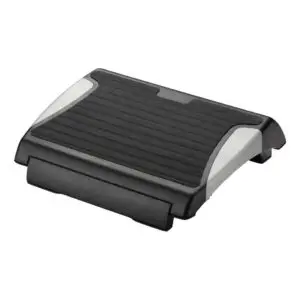
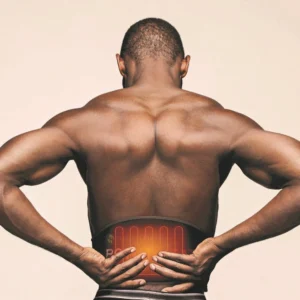
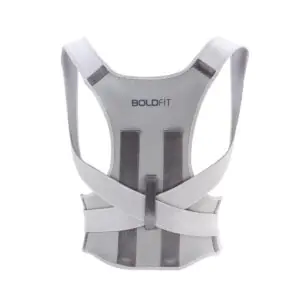
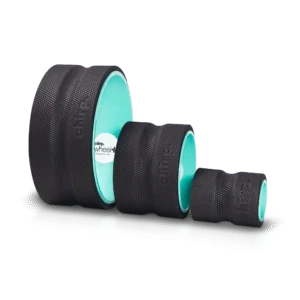
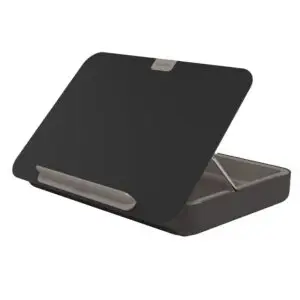
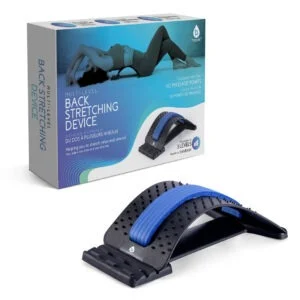
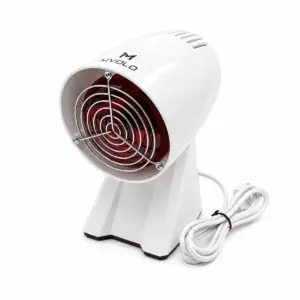
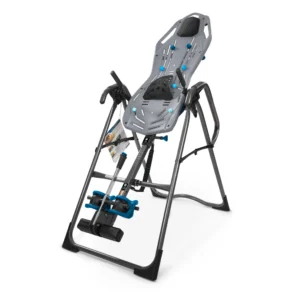
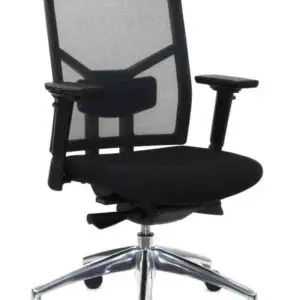
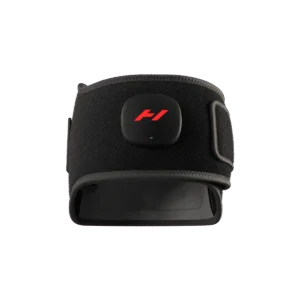
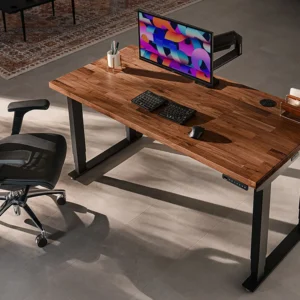
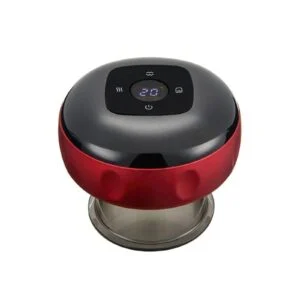
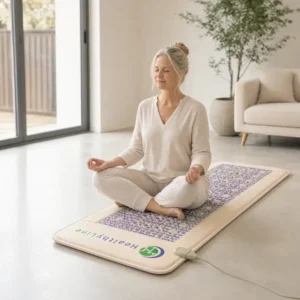
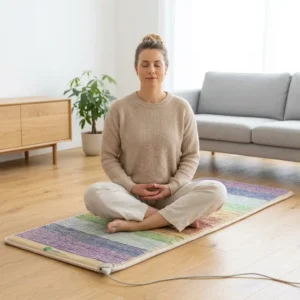


Some links are affiliate links. If you buy through them, ItHurts.com may earn a small commission at no extra cost to you.
What to try this week
When to see a doctor
Call 911 (or your local emergency number) or go to the emergency room if:
- you have numbness around your genitals, bottom or inner thighs
- you have new trouble peeing, or can't control your bladder or bowels
- you have sudden or worsening weakness in both legs
- you have sudden weakness in your face, arm or leg on one side, or trouble speaking (these can be signs of a stroke)
These need urgent treatment. Don't wait, and don't drive yourself.
Call your doctor the same day if:
- a leg is getting weaker, or your foot is catching or slapping when you walk
- your hands have become clumsy, or your balance or walking has suddenly got worse
- you have back pain with a fever or feel generally unwell
Book an appointment within 1 to 2 weeks if:
- walking brings on leg pain that eases when you sit or bend forward, and you haven't told your doctor yet
- your symptoms are slowly getting worse
- you can't walk as far as you need to for daily life
- numbness or tingling is spreading
- pain is affecting your sleep, mood or independence
Your doctor can examine you, check how your nerves are working and talk you through options, from physiotherapy to, for a small number of people, an operation to make more space for the nerves. If you take medicines, don't change or stop them without speaking to your doctor or pharmacist.
Common questions
Will spinal stenosis keep getting worse?
Not always. For many people, symptoms stay about the same for years, and some even improve. Staying active and strong gives you the best chance of keeping your independence.
Why do my legs hurt when I walk but not when I cycle?
When you lean forward, as you do on a bike, the space around the nerves in your lower back opens up. Standing tall and walking narrows it. That's why many people can cycle much further than they can walk.
Is it the same as poor circulation?
It can feel similar, because both can cause leg pain when walking. But they're different. With spinal stenosis, leaning forward or sitting usually helps. With circulation problems, simply standing still often eases it. If you're not sure, your doctor can check.
Do I need surgery?
Most people manage well without it. Surgery may be an option if symptoms are severe, getting worse, or stopping you living the life you want despite other treatments. It's a decision to make with your doctor.
Can exercise really help if the narrowing is in my bones?
Exercise can't widen the spinal canal, but it can make a real difference to how you feel and how far you can walk. Stronger tummy, back and hip muscles support the spine, and staying fit keeps your heart, lungs and balance in good shape. Many people find they can do more, even though the narrowing is still there.
You don't have to figure this out alone
Want a clearer picture of your pain and where to start? Take the free 2-minute Pain Check-Up. Nine quick taps give you your Pain Archetype, your Pain Load score and three things to try this week.
You're not the only one planning walks around benches. Join the ItHurts community to share tips with people who understand what living with spinal stenosis is really like.
Sources
If it Hurts we can help.
Join a space where people share real experiences, support, and understanding—without judgment.
Join the ItHurts CommunityReviewed by the ItHurts editorial team · Last reviewed 18 October 2026 · General information, not medical advice. If you are worried about your symptoms, talk to a doctor.