

 Written by
Herniated Disc: A Calm Guide to a Slipped Disc
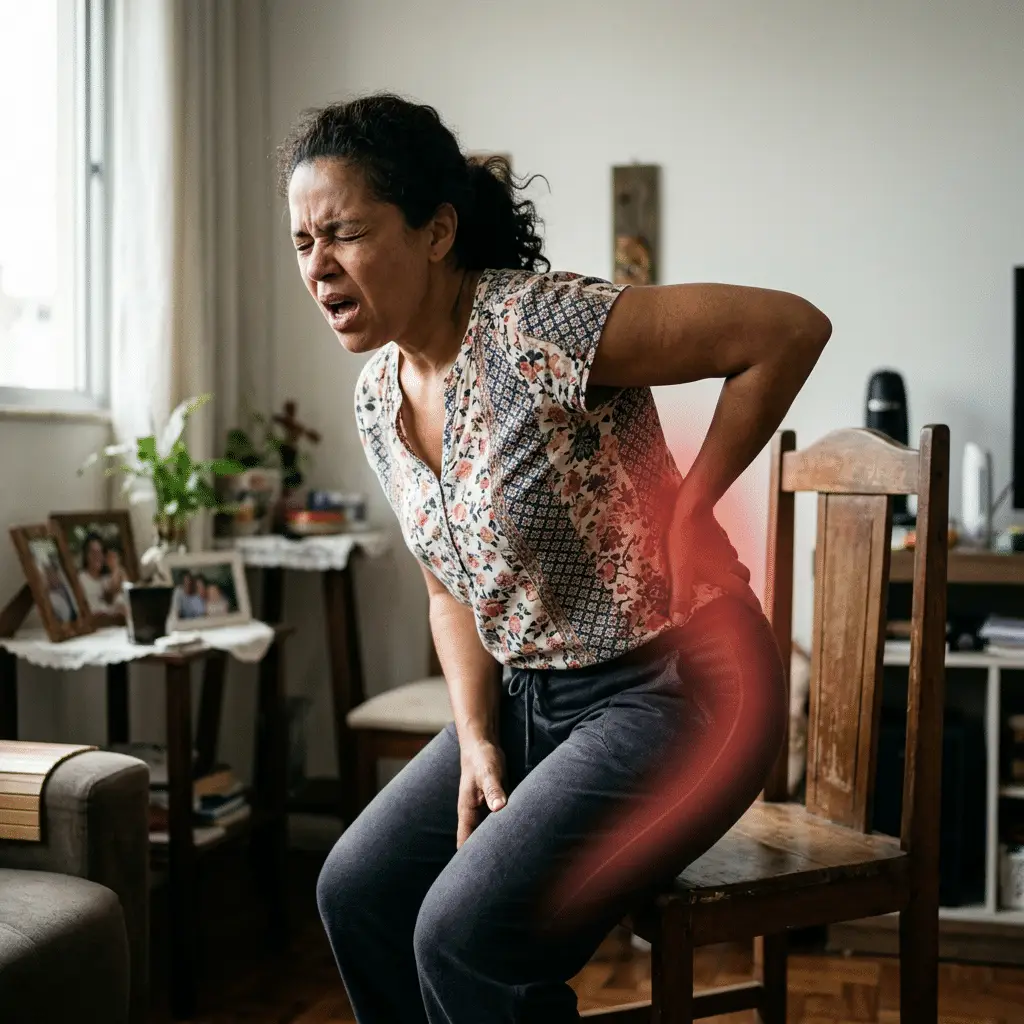
Being told you have a "herniated disc" or a "slipped disc" can sound alarming. It's easy to picture something that has popped out of place and needs to be pushed back in. The reality is much less dramatic, and much more hopeful.
Most herniated discs get better slowly on their own, with time, gentle movement and patience. This guide explains what a herniated disc is, how it can feel, what usually helps, and the few signs that mean you need help quickly. It can't tell you what is causing your own pain, but it can help you understand what you're dealing with.
What a herniated disc is and how it feels
Your spine is a stack of small bones. Between each pair of bones sits a disc, a round, rubbery cushion with a tough outer ring and a softer, jelly-like centre. The discs act like shock absorbers and let your back bend and twist.
A herniated disc (also called a slipped, prolapsed or bulging disc) is when part of the soft centre pushes out through a weak spot in the outer ring. The disc doesn't actually "slip" anywhere. The problem comes when the bulge presses on or irritates a nearby nerve.
Herniated discs happen most often in the lower back, and sometimes in the neck. Depending on where the disc is, you might feel:
- pain in your lower back or neck
- pain that travels into your bottom, hip and down one leg (sciatica), or from your neck into your shoulder and arm
- numbness or tingling in an arm, hand, leg or foot
- weakness in the muscles of the arm or leg
- trouble bending, straightening or turning
- pain that's worse when you cough, sneeze or sit for a long time
Here's something many people don't know: lots of people have a bulging disc and never feel a thing. Scans of people with no back pain at all often show disc bulges, especially as we get older. So a disc on a scan doesn't always explain pain, and pain doesn't always mean a damaged disc.
Common causes
There usually isn't one single cause. Things that make a herniated disc more likely include:
- getting older, as discs naturally lose some water and become less springy over time
- lifting heavy things with a rounded back, or lifting and twisting at the same time
- a sudden strain, such as a fall or awkward movement
- carrying extra body weight, which puts more load on the discs of the lower back
- smoking, which reduces the blood supply to the discs
- long hours of sitting or driving, and not being very active
Often there's no clear moment when it happened. Many people simply notice the pain one morning.
What usually helps
Keep gently active. If the pain is very bad, you may need to take it easy for a day or two. After that, people tend to get better faster when they gradually start moving again. Walking, swimming and gentle yoga are good choices. The type of exercise matters less than doing something that doesn't make your pain worse.
Avoid long spells of bed rest. Lying down for days can make your back stiffer and your muscles weaker, which slows recovery.
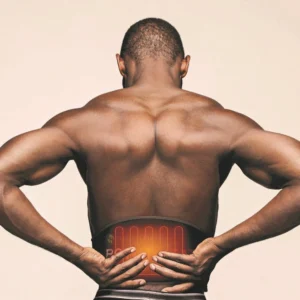
Use heat or cold. Many people find a heat pack eases tight, sore muscles, while others prefer a cold pack wrapped in a tea towel. Up to 20 minutes at a time is plenty.
Get help with pain so you can keep moving. Ask a pharmacist or your doctor which pain relief is right for you. The aim is to take the edge off so you can stay active, not to mask the pain completely.
See a physiotherapist. A physiotherapist can check how your back is moving and give you exercises to ease the pressure on the nerve and build up strength. In many areas you can refer yourself without seeing a doctor first.
Give it time. For most people, a herniated disc slowly improves over weeks to a few months as the body gradually reabsorbs some of the bulge. Small improvements each week are a good sign.
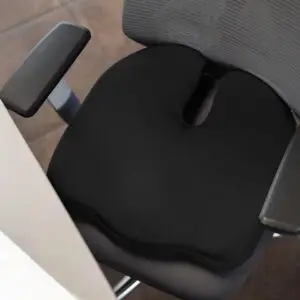
Break up long spells of sitting. Sitting is often one of the more uncomfortable positions with a lower back disc problem, because it puts extra pressure on the discs. You don't have to avoid sitting, but get up and move every 20 to 30 minutes. A small cushion or rolled towel behind your lower back can make sitting more comfortable.
Consider hands-on treatment. Some people find that massage or hands-on treatment from a physiotherapist, chiropractor or osteopath helps them feel better for a while. It works best alongside exercise, not instead of it. Choose a registered practitioner and tell them about your symptoms.
Relief picks for a herniated disc
Hand-picked by ItHurts · an everyday option, a best overall and a clinical-grade upgrade

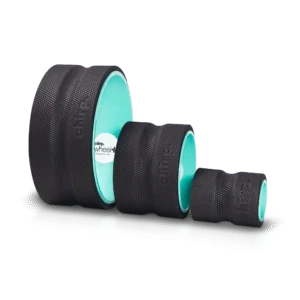
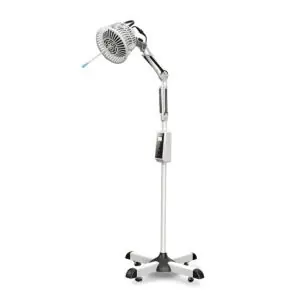
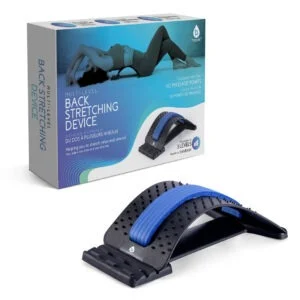

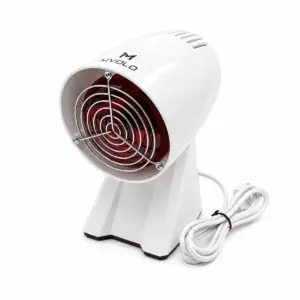
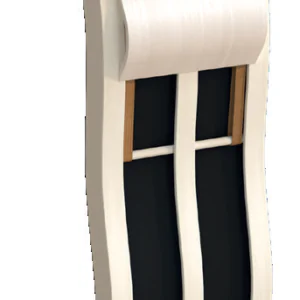
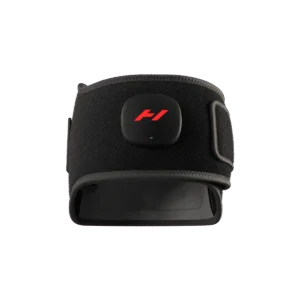


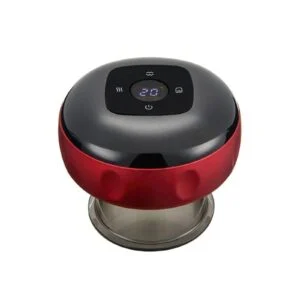
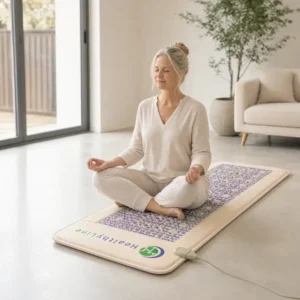
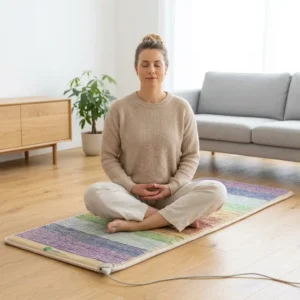
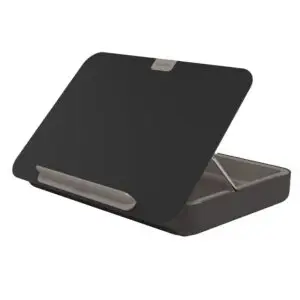
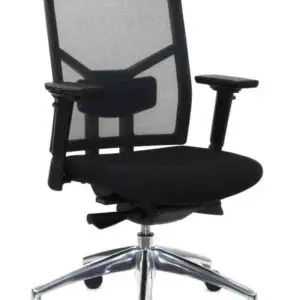
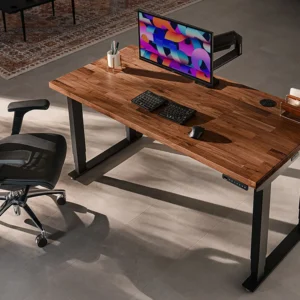
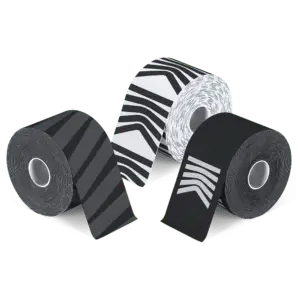
Some links are affiliate links. If you buy through them, ItHurts.com may earn a small commission at no extra cost to you.
What to try this week
When to see a doctor
Call 911 (or your local emergency number) or go to the emergency room if you have back pain and:
- numbness around your bottom, genitals or inner thighs
- you can't pee, or you can't control when you pee or poo
- you lose feeling in one or both legs, or both legs feel weak
- the pain started after a serious accident, such as a car crash
These can be signs of a rare but serious problem with the nerves at the bottom of the spine. It needs treatment straight away. Don't drive yourself.
Call your doctor the same day if:
- an arm or leg is getting weaker, or your foot is catching or dragging when you walk
- you have a high temperature or feel hot, cold or shivery
- your hands feel clumsy or you have new trouble with balance (this can happen with a disc in the neck)
Book an appointment within 1 to 2 weeks if:
- your pain isn't getting better after a few weeks
- the pain is worse at night
- you have a swelling in your back, or you've lost weight without trying
- your pain relief isn't helping enough for you to stay active
- the pain is getting in the way of work, sleep or daily life
If your symptoms don't improve, your doctor may suggest physiotherapy, other treatments or, sometimes, a scan or a referral to a specialist. Surgery is only needed for a small number of people. If you take medicines, don't change or stop them without talking to your doctor or pharmacist.
Common questions
Can a slipped disc go back in?
Not in the way people often imagine. The disc doesn't need to be "put back". Over time, the body usually shrinks the bulge and the nerve calms down, which is why most people improve without surgery.
Will I need surgery?
Most people don't. Surgery is usually only considered if the pain is severe and hasn't improved after several weeks or months of other treatment, or if there are signs of serious nerve pressure.
Is it safe to exercise with a herniated disc?
Yes, gentle exercise is usually one of the best things you can do. Start slowly and build up. Avoid heavy lifting and any movement that sends pain shooting down your arm or leg. A physiotherapist can help you choose what's right.
How long will it take to feel better?
It varies. Many people start to feel better within a few weeks, and most improve within a few months. Some people have pain that lasts longer or comes back.
Should I get a scan to check the disc?
Usually not at first. Scans are most useful if symptoms are severe, aren't improving, or if surgery is being considered.
You don't have to figure this out alone
If you'd like a clearer picture of your pain, take the free 2-minute Pain Check-Up. Nine quick taps give you your Pain Archetype, your Pain Load score and three things to try this week.
And you don't have to go through recovery on your own. Join the ItHurts community to swap tips and stories with people who know exactly how this feels.
Sources
If it Hurts we can help.
Join a space where people share real experiences, support, and understanding—without judgment.
Join the ItHurts CommunityReviewed by the ItHurts editorial team · Last reviewed 18 October 2026 · General information, not medical advice. If you are worried about your symptoms, talk to a doctor.