

 Written by
Migraine: More Than a Bad Headache
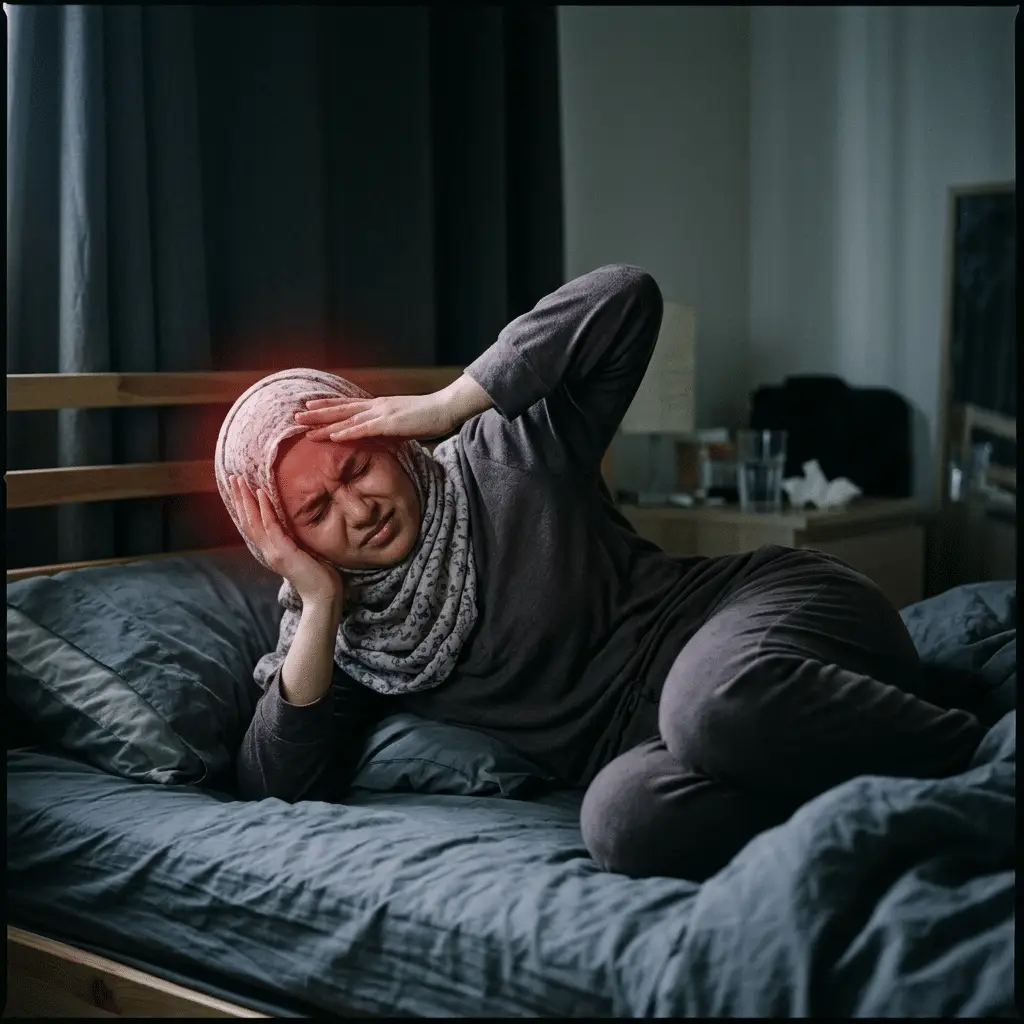
If you live with migraine, you probably know the feeling of plans cancelled, curtains drawn and the world put on hold while you wait for an attack to pass. And you may also know the frustration of people saying "it's just a headache". It isn't. Migraine is a real health condition, and it can affect every part of your day.
There's a lot that can help you have fewer attacks and cope better when they come. This guide explains what migraine is, what can trigger it, what usually helps, and the warning signs that mean you need help straight away. It can't tell you what is causing your own headaches. Only a doctor who knows you can do that.
What migraine is and how it feels
Migraine is a long-term condition of the brain and nervous system. People with migraine have repeated attacks, often called migraine episodes, which are much more than head pain.
The main symptoms of a migraine attack are:
- a throbbing or pounding headache, often on one side of the head, that can be moderate to severe and gets worse when you move
- feeling sick or being sick
- being very sensitive to light, sound and sometimes smells
Attacks often unfold in stages. Hours or even a day or two before the pain starts, you might feel very tired, yawn a lot, crave certain foods, feel thirsty, notice mood changes or have a stiff neck. After the headache, many people feel drained or "hungover" for a day or so.
Some people get warning signs called aura shortly before or during an attack. Aura can include:
- seeing zigzag lines, flashing lights or blind spots
- numbness or pins and needles, often spreading slowly up an arm or one side of the face
- feeling dizzy
- difficulty speaking
Aura usually lasts less than an hour. A migraine attack usually lasts from 4 hours to 3 days. Some people have attacks several times a week, others only a few times a year.
Migraine is more common in women than men, and attacks are often linked to hormone changes, such as around periods. For many people, migraine slowly improves with age, and in women it often gets better after the menopause.
Common causes and triggers
The exact cause of migraine isn't fully understood. It seems to involve changes in nerve signals, brain chemicals and blood vessels in the brain. It often runs in families.
Many people notice that certain things make an attack more likely. These are called triggers, and they're different for everyone. Common ones include:
- stress, or the "let-down" after a stressful time, such as the first weekend of a holiday
- too much or too little sleep, or a change in your sleep pattern
- skipped or late meals, and not drinking enough water
- hormone changes, such as around periods or during the menopause
- bright or flickering lights, loud noises and strong smells
- changes in the weather
- alcohol, and too much caffeine or suddenly cutting down on it
- physical strain or tiredness
Triggers often add up. One on its own might not cause an attack, but two or three together might. Knowing yours can help you lower the odds.
What usually helps
Get to know your pattern. A simple diary of your attacks, sleep, meals, stress and, if relevant, your periods can reveal triggers and patterns you didn't know about. It's also really useful to take to your doctor.
Keep a steady routine. Migraine brains tend to like regularity. Going to bed and getting up at similar times, eating regular meals and drinking water through the day can all help.
Act early in an attack. Many people find that treating an attack as soon as it starts works better than waiting. Resting in a quiet, dark room, a cool cloth on your forehead or the back of your neck, and sipping water can help.
Move regularly. Gentle, regular exercise such as walking, swimming or yoga helps many people with migraine. Build up slowly, as sudden hard exercise can be a trigger for some.
Manage stress in small ways. A few minutes of slow breathing, relaxation, gentle stretching or something you enjoy each day can take the edge off. It won't stop every attack, but it can make them less frequent for some people.
Talk to your doctor about treatment. There are medicines to ease attacks and others that can help prevent them. Your doctor can help you find what suits you. Taking pain relief for headaches very often can itself cause more headaches, so if you need it more than a couple of days a week, it's worth a conversation with your doctor.
Relief picks for migraine
Hand-picked by ItHurts · an everyday option, a best overall and a clinical-grade upgrade


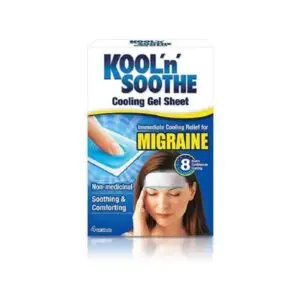





Some links are affiliate links. If you buy through them, ItHurts.com may earn a small commission at no extra cost to you.
What to try this week
When to see a doctor
Call 911 (or your local emergency number) if you or someone else:
- has a headache that came on suddenly and is extremely painful, like the worst ever, reaching full strength within about a minute
- has weakness, numbness or drooping on one side of the face or body, or can't move an arm or leg
- has trouble speaking or remembering things, or feels confused or very drowsy
- loses their vision, or has blurred or double vision
- has a seizure (fit)
- has a headache with a very high temperature, a stiff neck, or a rash that doesn't fade when you press a glass on it
- has a headache after a recent head injury
Call your doctor the same day, or get urgent care, if:
- a migraine attack has lasted longer than 72 hours
- aura symptoms last longer than an hour
- you're pregnant or have just had a baby and have a severe headache
- you're over 50 and have a new headache with jaw pain when you chew, a tender scalp, or any change in your eyesight
Book an appointment within 1 to 2 weeks if:
- your attacks are getting more severe, more frequent or lasting longer than usual
- you have attacks more than once a week
- your headaches have changed, or started after the age of 50
- you're finding it hard to control your migraine, or it's affecting work, family or your mood
- you're using pain relief for headaches on more than a few days a week
If you already take medicines for migraine or anything else, don't change or stop them without talking to your doctor or pharmacist first.
Common questions
How do I know if it's migraine or just a bad headache?
Migraine usually comes with other symptoms, such as feeling sick, sensitivity to light and sound, or aura, and it often makes it hard to carry on as normal. Only a doctor can diagnose migraine, and a headache diary makes that conversation much easier.
Can certain foods trigger migraine?
Some people notice that certain foods or drinks, such as alcohol, are triggers for them. But skipping meals is a much more common trigger than any particular food. A diary is the best way to find your own triggers, rather than cutting out lots of foods.
Will my migraine ever go away?
Many people find their migraine slowly gets better as they get older, and for many women it improves after the menopause. Treatment and lifestyle changes can make attacks less frequent and easier to manage.
Is it normal to feel wiped out after an attack?
Yes. Many people feel tired, foggy or drained for a day or so after an attack. Be kind to yourself and ease back into your normal routine.
Can migraine start later in life?
It can, but a new kind of headache after 50 should always be checked by a doctor to rule out other causes.
You don't have to figure this out alone
Want to understand your pain better and get three ideas for the week ahead? Take the free 2-minute Pain Check-Up. Nine quick taps give you your Pain Archetype, your Pain Load score and three things to try this week.
Migraine can be isolating, especially when people don't understand. Join the ItHurts community to connect with others who truly get it, share what helps and feel less alone between attacks.
Sources
If it Hurts we can help.
Join a space where people share real experiences, support, and understanding—without judgment.
Join the ItHurts CommunityReviewed by the ItHurts editorial team · Last reviewed 18 October 2026 · General information, not medical advice. If you are worried about your symptoms, talk to a doctor.