

 Written by
Jaw Pain and TMJ: What It Is, What Helps and When to Get Help

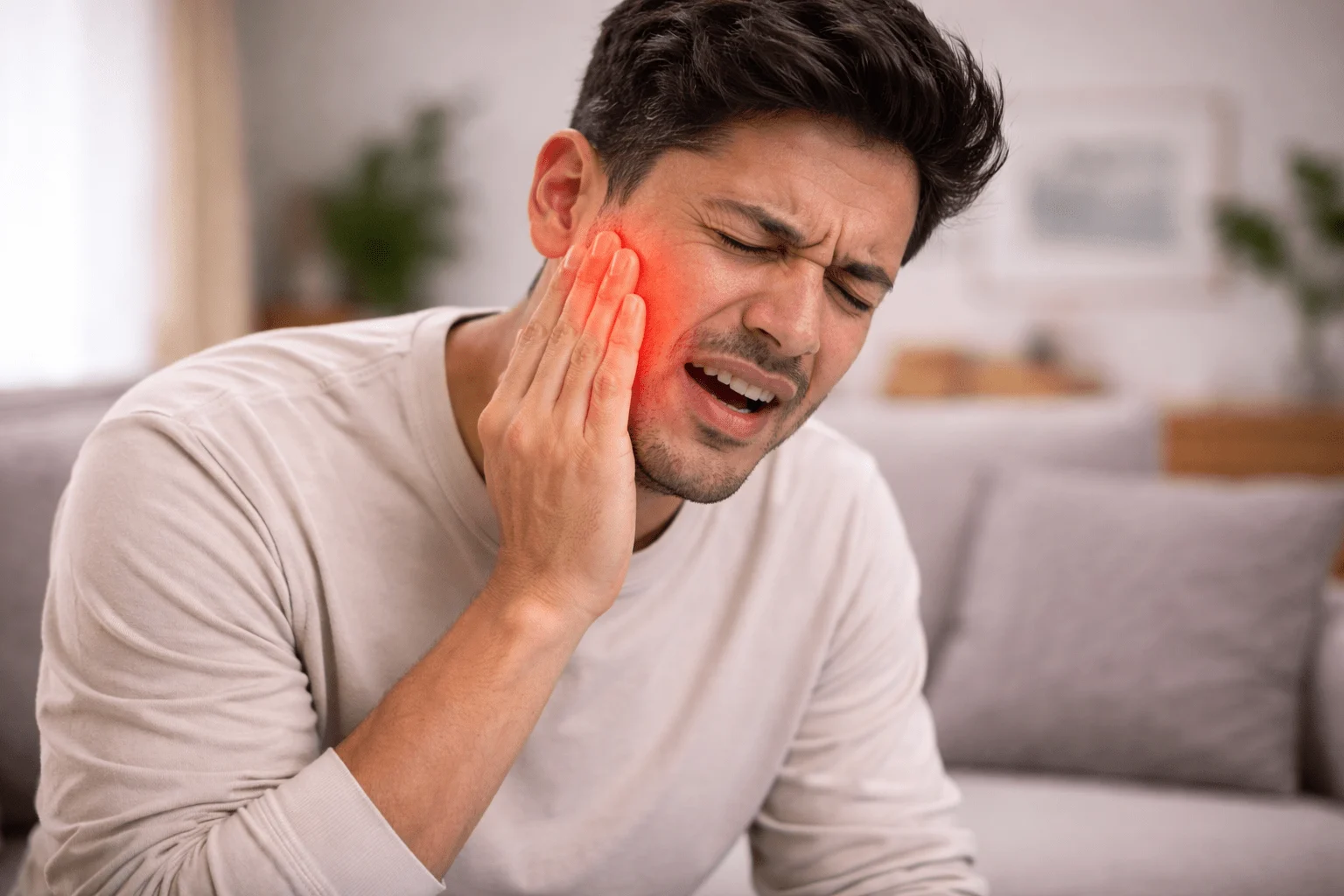
A jaw that aches after a long day. A click every time you yawn. A dull pain in front of your ear that turns into a headache. Problems with the jaw joint and the muscles around it are common, and they can make eating, talking and sleeping uncomfortable.
The good news is that most jaw problems get better with simple self-care. This guide explains what's going on, what usually helps, and when to see a doctor or dentist. It can't tell you what is causing your own jaw pain. Only someone who examines you can do that.
What TMJ problems are and how they feel
Your temporomandibular joints (TMJs) connect your lower jaw to your skull, just in front of each ear. They let your jaw open, close and move side to side. Pain or problems in these joints and the chewing muscles around them are called temporomandibular disorders, or TMD. Many people simply call it "TMJ".
TMD can cause:
- pain in the jaw, the face, in front of the ear or around the temples
- clicking, popping or grinding noises when you open or close your mouth
- difficulty opening your mouth wide, or a jaw that feels stiff
- a jaw that gets stuck or locks, open or closed
- headaches, earache or a feeling of fullness in the ear
- pain when chewing, or a bite that feels "off"
A clicking jaw on its own, without pain or other problems, is common and usually nothing to worry about.
Common causes
Often there's no single cause. Things that can play a part include:
- clenching your jaw or grinding your teeth, during the day or in your sleep
- stress and anxiety, which make clenching more likely
- overusing the jaw, for example chewing gum a lot or biting hard foods
- an injury to the jaw or face
- wear and tear or arthritis in the joint
- poor posture, such as holding your head forward while looking at screens
TMD is more common in women and in people aged between about 20 and 40.
What usually helps
Rest your jaw. Eat softer foods for a while and cut food into small pieces. Avoid chewing gum, biting your nails, chewing pens and very wide yawns. Support your chin with your hand when you yawn.
Notice clenching. Your teeth only need to touch when you swallow or chew. At rest, try to keep your lips together, your teeth slightly apart and your tongue resting on the roof of your mouth.
Use warmth or cold. A warm, damp cloth on the jaw can relax tight muscles. A cold pack wrapped in a towel can help if it's swollen or very sore. Use what feels best, for 10 to 20 minutes.
Gently massage the jaw muscles. Use your fingertips to rub small circles over the sore muscles in front of your ears and on your cheeks.
Find ways to relax. If stress makes you clench, breathing exercises, relaxation, gentle exercise and good sleep habits can all help your jaw.
Ask about pain relief. Ask a pharmacist or your doctor what's right for you if you need help with the pain.
Ask your dentist about a mouth guard. If you grind your teeth at night, a dentist can fit a guard to protect your teeth and ease the strain on your jaw. Physical therapy can also help.
Experts advise starting with simple, reversible treatments like these. Treatments that permanently change your bite or teeth, or jaw surgery, are rarely needed.
Relief picks for jaw pain
Hand-picked by ItHurts · an everyday option, a best overall and a clinical-grade upgrade
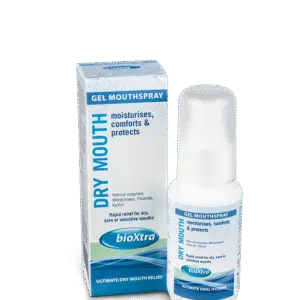




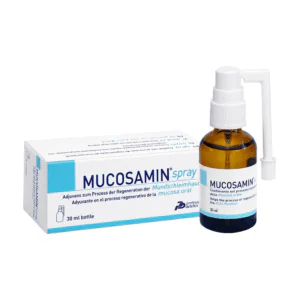
Some links are affiliate links. If you buy through them, ItHurts.com may earn a small commission at no extra cost to you.
What to try this week
When to see a doctor
Call 911 (or your local emergency number) if:
- you have jaw pain together with chest pain or pressure, pain spreading to your arm, back or neck, shortness of breath, sweating or feeling sick. Jaw pain can sometimes be a sign of a heart attack
Get urgent care the same day if:
- your jaw is stuck open or closed and you can't move it
- you've injured your jaw or face and your teeth don't meet properly
- your jaw or face is swollen and you have a high temperature
- you have sudden pain with numbness in your face
Book an appointment with a doctor or dentist within 1 to 2 weeks if:
- jaw pain hasn't improved after 2 weeks of self-care
- it's making it hard to eat, talk or sleep
- your jaw clicks or locks and it hurts
- you get frequent headaches or earache with jaw pain
A dentist or doctor can examine your jaw and suggest treatment, such as a mouth guard, physical therapy or other options. If you take medicines, don't change or stop them without talking to your doctor or pharmacist.
Common questions
Will TMJ go away on its own?
Often, yes. Many people find their jaw pain settles within weeks to a few months with self-care. For some, it comes and goes, often at stressful times.
Should I see a doctor or a dentist?
Either is a good place to start. A dentist can check your teeth and bite and fit a mouth guard if you grind your teeth. A doctor can check for other causes of facial pain.
Is a clicking jaw serious?
A jaw that clicks without pain is common and usually harmless. Get it checked if the clicking comes with pain, or your jaw gets stuck.
Can stress cause jaw pain?
Yes. Stress often makes people clench their teeth or tense their jaw muscles without noticing, especially at night. Relaxation and good sleep can help.
Do I need surgery?
Very rarely. Most people get better with simple treatments. Surgery is only considered for a small number of people with specific joint problems that haven't improved with other treatment.
You don't have to figure this out alone
Not sure what's behind your jaw pain? Take the free 2-minute Chronic Pain Check-Up. Nine quick taps give you your Pain Archetype, your Pain Load score and three things to try this week.
You can also join the free TMJ Disorder group on ItHurts. It's new and small, so your question or tip helps shape it.
Sources
If it Hurts we can help.
Join a space where people share real experiences, support, and understanding—without judgment.
Join the ItHurts CommunityReviewed by the ItHurts editorial team · Last reviewed 11 November 2026 · General information, not medical advice. If you are worried about your symptoms, talk to a doctor.