

 Written by
Gout: What Causes Attacks, What Helps and When to Get Help
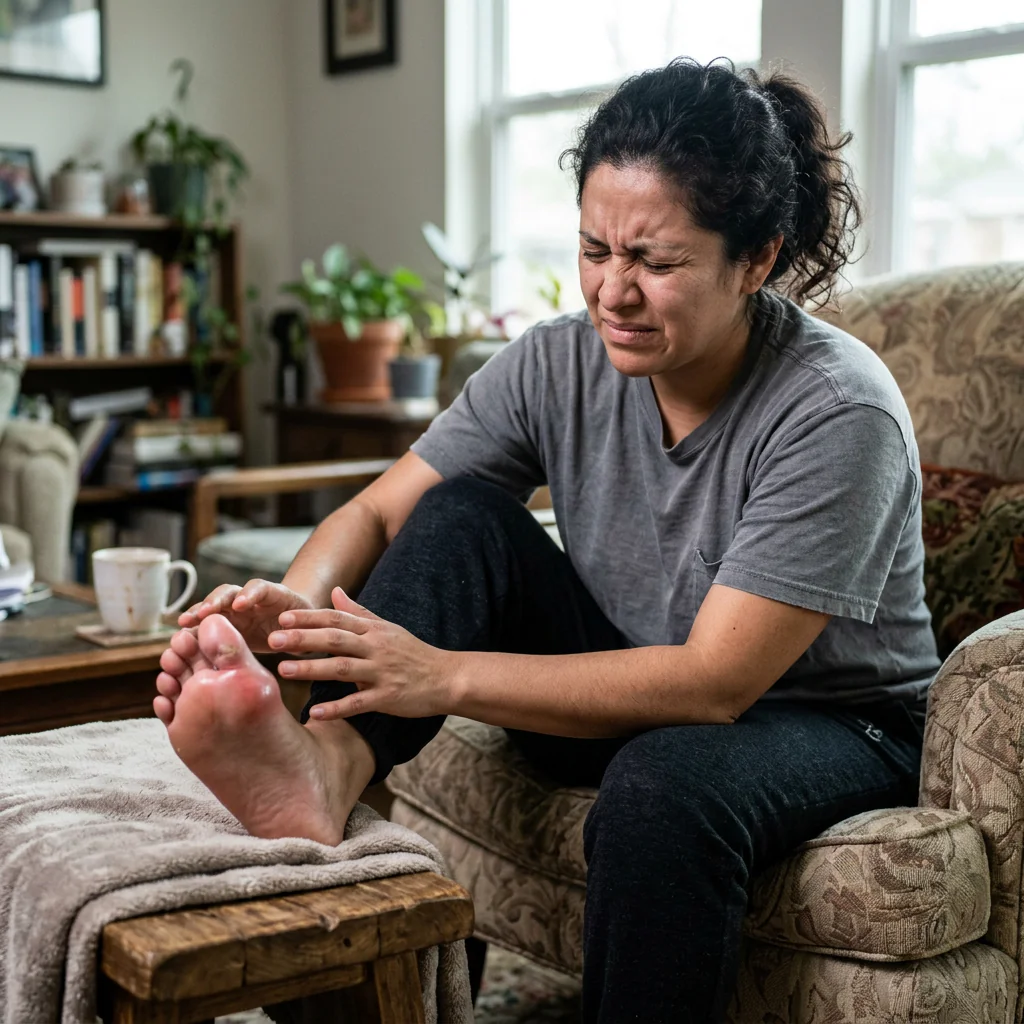
You go to bed feeling fine and wake up in the night with a big toe so painful that even the weight of the sheet is too much. That's how a gout attack often starts. It's one of the most painful kinds of arthritis, and one of the most treatable.
This guide explains what gout is, what tends to trigger attacks, what helps during a flare, how attacks can be prevented, and when to see a doctor. It can't tell you whether your own joint pain is gout. Only a doctor who examines you can do that.
What gout is and how it feels
Gout is a type of arthritis caused by too much uric acid in the blood. Uric acid is a normal waste product, but when there's too much, it can form tiny, sharp crystals in and around a joint. The body reacts to the crystals with sudden, painful inflammation.
A gout attack (a flare) can cause:
- sudden, severe pain in a joint, often starting at night
- a joint that is swollen, hot and very tender, so even light touch hurts
- red or shiny skin over the joint
- pain that builds over a few hours and is often at its worst within a day
Gout most often affects the big toe, but it can also affect the ankle, foot, knee, wrist, fingers or elbow. An attack usually settles within about a week or two, even without treatment, but treatment eases it faster. Some people only ever have one attack. Others have them again and again, and over time gout can damage joints and cause hard lumps of crystals under the skin (tophi).
Common causes
Gout happens when uric acid builds up, either because the body makes too much or because the kidneys don't clear enough. You're more likely to get gout if you:
- are a man, or a woman after the menopause
- are overweight
- have high blood pressure, diabetes, heart disease or kidney disease
- take certain medicines, such as some water tablets (diuretics)
- drink a lot of alcohol, especially beer and spirits
- have lots of sugary drinks, or eat a lot of red meat, organ meats like liver, or some seafood
- have close relatives with gout
An attack can be set off by things like drinking alcohol, a large rich meal, becoming dehydrated, an illness or operation, or a knock to the joint.
What usually helps
During an attack:
- Rest the joint and raise it if you can.
- Hold a cold pack or bag of frozen peas wrapped in a towel on the joint for up to 20 minutes at a time.
- Keep the joint cool and uncovered. A box or frame under the bedclothes keeps the sheet off a sore foot.
- Drink plenty of water and avoid alcohol.
- See a doctor for treatment. Medicines prescribed for gout flares can ease the pain and swelling, especially if started early. Ask a pharmacist or doctor before taking pain relief, as some common painkillers aren't suitable for everyone.
If you already take a medicine to lower your uric acid, keep taking it during an attack unless your doctor tells you otherwise.
To help prevent attacks:
- Ask your doctor about medicine to lower uric acid if you have attacks more than once, or have joint damage, tophi or kidney problems. Taken every day, it can stop attacks altogether for many people.
- If you're overweight, losing weight gradually can lower uric acid. Avoid crash diets, which can trigger attacks.
- Cut down on alcohol, especially beer and spirits, and on sugary drinks.
- Eat a balanced diet, and avoid large amounts of red meat, organ meats and the seafood that seems to set you off.
- Drink plenty of water through the day.
- Keep active, choosing gentle exercise that doesn't strain your joints.
Relief picks for gout
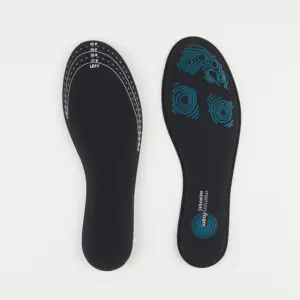
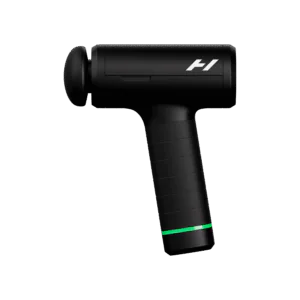
Hand-picked by ItHurts · an everyday option, a best overall and a clinical-grade upgrade









Some links are affiliate links. If you buy through them, ItHurts.com may earn a small commission at no extra cost to you.
What to try this week
When to see a doctor
Call your doctor the same day, or get urgent care, if:
- you have sudden severe pain and swelling in a joint for the first time
- you have a hot, swollen joint and a high temperature, chills or you feel generally unwell. This can be a sign of a joint infection, which needs treating straight away
- your pain is very bad and isn't getting better with the treatment you've been given
Book an appointment within 1 to 2 weeks if:
- you've had gout before and keep getting attacks
- you notice hard lumps under the skin near your joints, ears or fingers
- your joints stay stiff or painful between attacks
- you've had kidney stones
Your doctor may do a blood test for uric acid, and sometimes take a sample of fluid from the joint, to confirm gout and rule out other causes. If you take medicines, don't change or stop them without talking to your doctor or pharmacist.
Common questions
Is gout caused by diet?
Diet plays a part, but it's not the whole story. Your genes, your weight, your kidneys and some medicines all affect uric acid levels. Many people need medicine as well as changes to what they eat and drink.
How long does a gout attack last?
An attack usually settles within about a week or two. Treatment started early can make it shorter and less painful.
Will I have to take medicine for life?
If you have repeated attacks, your doctor may suggest a daily medicine to lower uric acid. It usually needs to be taken long term to keep working. Your doctor will explain the options and check your blood levels.
Can I drink alcohol with gout?
Alcohol, especially beer and spirits, raises the risk of attacks. Cutting down helps. Ask your doctor what's sensible for you.
Is gout the same as other arthritis?
Gout is a type of inflammatory arthritis, but it has its own cause, uric acid crystals, and its own treatments. A doctor can tell it apart from other causes of a hot, swollen joint.
You don't have to figure this out alone
Not sure what's behind your joint pain? Take the free 2-minute Chronic Pain Check-Up. Nine quick taps give you your Pain Archetype, your Pain Load score and three things to try this week.
You can also join the free Gout group on ItHurts. It's new and small, so your question or tip helps shape it.
Sources
If it Hurts we can help.
Join a space where people share real experiences, support, and understanding—without judgment.
Join the ItHurts CommunityReviewed by the ItHurts editorial team · Last reviewed 11 November 2026 · General information, not medical advice. If you are worried about your symptoms, talk to a doctor.