


 Written by
Sprained Ankle: What Helps, How Long It Takes and When to Get Help

One awkward step off a curb, one uneven patch of ground, and your ankle rolls under you. A sprained ankle is one of the most common injuries there is. It can be very painful and swollen, but most sprains get better with care at home.
This guide explains what a sprain is, what helps in the first few days and after, how long it usually takes, and the signs that you might have broken a bone or need to get checked. It can't tell you how badly your own ankle is hurt. Only someone who examines you can do that.
What a sprained ankle is and how it feels
A sprain is an injury to a ligament, the tough bands that hold the bones of a joint together. Most ankle sprains happen when the foot rolls inward, stretching or tearing the ligaments on the outside of the ankle.
A sprained ankle can cause:
- pain, especially when you put weight on your foot
- swelling around the ankle
- bruising, which may spread down to the foot over a few days
- tenderness when you touch the ankle
- stiffness, or difficulty walking normally
Sprains range from mild (a stretched ligament) to severe (a full tear). It can be hard to tell a bad sprain from a broken bone, so check the warning signs below.
Common causes
Ankle sprains usually happen when the foot twists or rolls suddenly, for example:
- stepping on uneven ground, a curb or a step
- landing awkwardly from a jump, or changing direction quickly in sport
- tripping or falling
- wearing high heels or shoes that don't support your ankle
If you've sprained an ankle before, you're more likely to sprain it again, especially if the ankle stayed weak or wobbly. Strength and balance exercises help prevent this.
What usually helps
For the first 2 to 3 days:
- Rest: stop the activity that caused it and take weight off the ankle as much as you can. Crutches or a walking aid can help if it's very painful to walk.
- Ice: hold a cold pack or bag of frozen peas wrapped in a towel on the ankle for up to 20 minutes every 2 to 3 hours. Never put ice directly on your skin.
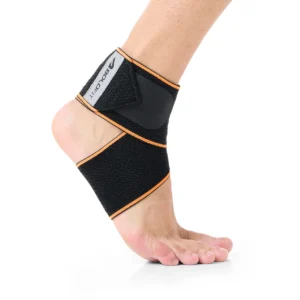
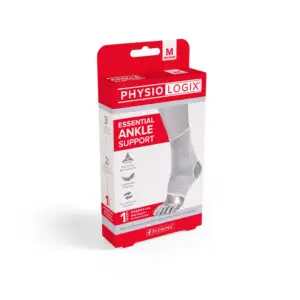
- Compression: a soft bandage or support can help control swelling. It shouldn't feel tight, and take it off before you go to bed.
- Elevation: raise your ankle above the level of your heart, for example on pillows when you lie down.
For the first 3 days, try to avoid heat (hot baths, heat packs), alcohol, running and massage, which can increase swelling.
After the first few days: start moving your ankle gently as soon as you can without too much pain. Walk on it little by little. Gentle movement helps it heal and stops it getting stiff.
As it improves: exercises to strengthen your ankle and improve your balance help you get back to normal and lower the chance of spraining it again. A physical therapist can help if it's slow to recover or keeps giving way.
Ask about pain relief. If you need help with the pain, ask a pharmacist or your doctor what's right for you.
Relief picks for a sprained ankle
Hand-picked by ItHurts · an everyday option, a best overall and a clinical-grade upgrade

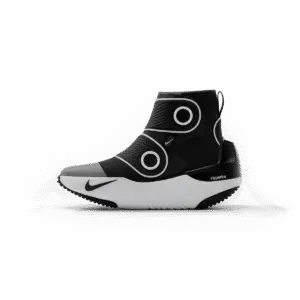

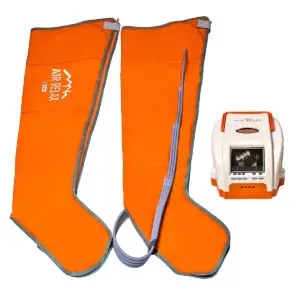
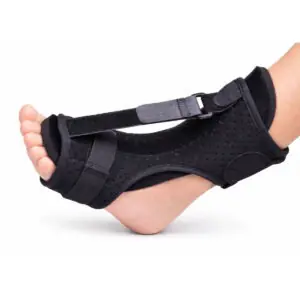



Some links are affiliate links. If you buy through them, ItHurts.com may earn a small commission at no extra cost to you.
What to try this week
When to see a doctor
Go to the emergency room or call 911 (or your local emergency number) if:
- your ankle or foot looks out of shape, or a bone is poking through the skin
- your foot is cold, pale or blue, or numb
- you heard a snap or crack at the time of the injury and the pain is severe
Get urgent care the same day if:
- you can't put any weight on your foot, or can't take 4 steps, even limping
- you have pain when you press on the bony bumps of the ankle or on the bones of your foot
- the pain and swelling are very bad
- your ankle is red, hot and swollen and you feel unwell, without an obvious injury
Book an appointment within 1 to 2 weeks if:
- your ankle hasn't started to improve after 1 to 2 weeks of looking after it at home
- your ankle keeps giving way or feels unstable
- you keep spraining the same ankle
A doctor can check whether you need an X-ray to rule out a broken bone, and whether physical therapy would help. If you take medicines, don't change or stop them without talking to your doctor or pharmacist.
Common questions
How long does a sprained ankle take to heal?
Most mild sprains feel much better within about 2 weeks, but it can take longer to get back to sport. A severe sprain can take several weeks or months.
How do I know if my ankle is broken?
It can be hard to tell. Signs that point to a break include not being able to put any weight on your foot, a deformed ankle, a crack at the time of injury, or pain when you press on the bones. If in doubt, get it checked.
Should I walk on a sprained ankle?
Rest it for the first day or two, then start walking on it gently as soon as you can manage. Moving it as pain allows usually helps it recover faster than keeping it still for a long time.
Heat or ice?
Ice in the first few days, to help with pain and swelling. Avoid heat for the first 3 days. After that, gentle warmth can ease stiffness if you find it helpful.
Do I need an ankle brace?
A support or brace can help in the early days or when you go back to sport, especially if your ankle feels unstable. Strength and balance exercises matter most in the long run.
You don't have to figure this out alone
Not sure what's behind your ankle pain? Take the free 2-minute Chronic Pain Check-Up. Nine quick taps give you your Pain Archetype, your Pain Load score and three things to try this week.
You can also join the free Ankle Sprain Recovery group on ItHurts. It's new and small, so your question or tip helps shape it.
Sources
If it Hurts we can help.
Join a space where people share real experiences, support, and understanding—without judgment.
Join the ItHurts CommunityReviewed by the ItHurts editorial team · Last reviewed 11 November 2026 · General information, not medical advice. If you are worried about your symptoms, talk to a doctor.