

Back pain · Red light
The best red light therapy devices for back pain
Red and near-infrared light therapy shines low-level light onto the skin. Some small studies suggest it may ease muscle and joint pain for some people, but the evidence is still limited and results vary. If you want to try it, a wearable wrap is the easiest place to start, and it works best alongside the things known to help back pain, like staying active.
We picked these five from the light devices already in our Back & Neck shop, from a budget belt to a mat you lie on.
Our 5 picks
- 1
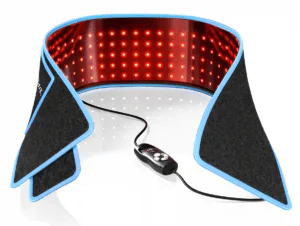
Best budget wearable
iReliev FullGlow Red Light & Near Infrared Back Wrap
A red and near-infrared LED belt with a power-bank pocket, so you can wear a session on your back, knee or neck while you move around.
- 2
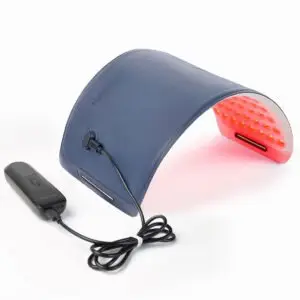
Best simple cordless belt
Lumy Health Portable Red Light Therapy Belt
A cordless belt with 660 nm and 850 nm light that wraps your waist or back for 20 or 30 minute sessions.
- 3
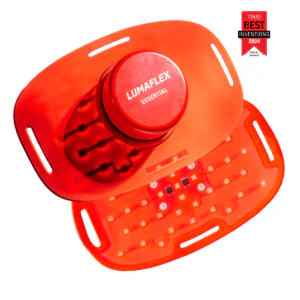
Best no-fuss wrap
Lumaflex Essential Red Light and Infrared Therapy Wrap
A flexible cordless wrap with no app and no settings: strap it on and run a 10-minute session.
- 4
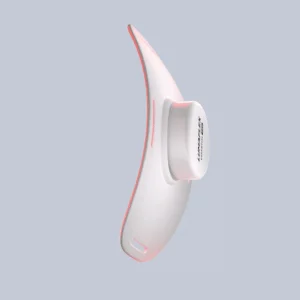
Best if you like settings
Lumaflex Essential Pro Red Light and Infrared Therapy Wrap
A flexible wrap with six wavelengths and app-controlled pulse settings, light enough to wear around the house.
- 5
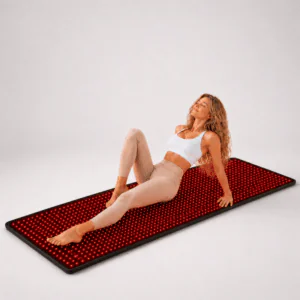
Best to cover your whole back
iReliev FullGlow 180 Full Body Red Light & Near Infrared Mat
A full-length light mat you lie on, with pulse modes and a timer, so your whole back is covered in one session.
Prices and links are for US shoppers and can change. We earn a small commission if you buy through these links, at no extra cost to you.
What to look for
- Wavelengths: most devices use red (around 630–670 nm) and near-infrared (around 810–850 nm) light.
- Coverage: a wrap or belt for one area, a mat or panel for the whole back.
- Cordless devices are easier to use daily; check how long the battery lasts.
- Be realistic. Treat it as a possible extra, not a replacement for movement, physiotherapy or medical advice.
When to see a doctor
Don’t shine the light into your eyes, and ask your doctor first if you’re pregnant, have a history of skin cancer, or take medicines that make your skin sensitive to light. See a doctor if back pain comes with fever, weight loss, numbness or weakness, or problems with your bladder or bowels.
Products can ease symptoms, but they don’t replace a diagnosis. Read the Lower back pain guide for what usually helps.
You’re not the only one
Talk to people who live with back pain
Ask what actually helped them, or just read along. Free, and you don’t have to post.
Keep reading
How we pick: we choose from products already listed in the ItHurts shop, matched to the kind of pain on this page, using the sellers’ own details. We don’t accept payment to be included. This page is general information, not medical advice.