
 Written by
CRPS (Complex Regional Pain Syndrome): Signs, Treatment and What Helps
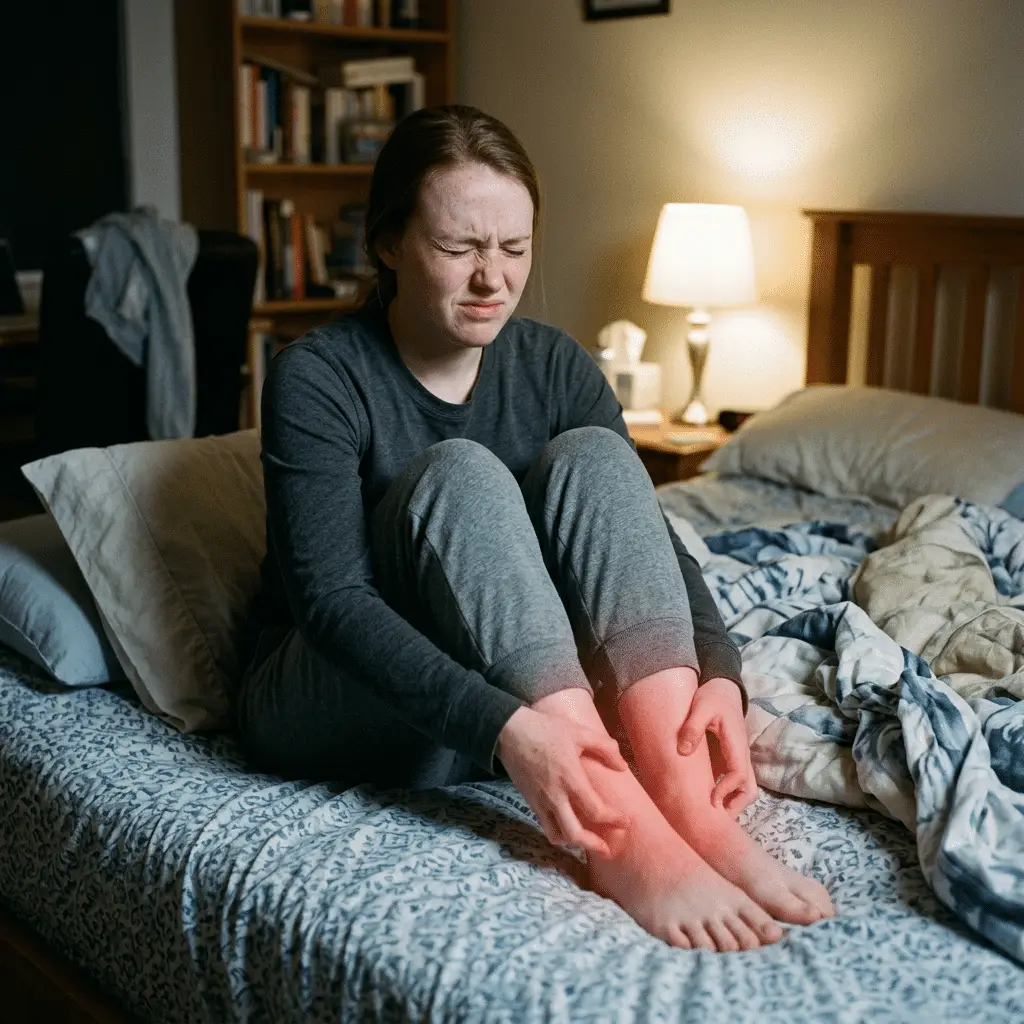
A sprained wrist or a broken ankle that should have healed, but the pain keeps getting worse. Burning pain, skin that can't bear the touch of a sleeve, a hand or foot that changes colour or swells. People with complex regional pain syndrome (CRPS) are often told it's “in their head”. It isn't. CRPS is a real condition, and it can be treated.
This guide explains what CRPS is, the signs, how it's diagnosed and treated, what you can do day to day, and when to get help. It can't tell you whether you have CRPS. Only a doctor who examines you can do that.
What CRPS is and how it feels
CRPS is a long-lasting pain condition that usually affects one arm, leg, hand or foot. It most often starts after an injury, such as a fracture, sprain or operation, but the pain is much worse and lasts much longer than expected for that injury. It's thought to come from changes in how the nerves and the immune system respond to the injury.
CRPS can cause:
- continuous burning, stabbing or throbbing pain
- pain from things that shouldn't hurt, such as a light touch, clothing or a breeze
- swelling and stiffness
- changes in skin colour (red, blue or blotchy) or temperature (warmer or colder than the other side)
- more or less sweating, and changes in how the hair and nails grow
- weakness, shaking or difficulty moving the limb
Symptoms vary a lot from person to person and can change over time.
Getting a diagnosis
There's no single test for CRPS. A doctor makes the diagnosis from your symptoms and an examination, usually comparing the affected limb with the other side. Tests such as blood tests, X-rays or scans may be used to rule out other causes, like an infection, a blood clot or a bone that hasn't healed.
Early diagnosis matters. Many people improve, and treatment started in the first months tends to work best. If you think you might have CRPS, ask your doctor directly, and ask for a referral to a pain clinic if it's not getting better.
What usually helps
Treatment usually combines several things, often through a pain clinic team.
- Movement and physical therapy: keeping the limb moving is one of the most important parts of treatment, even when it hurts. A physical or occupational therapist will build it up gently and gradually.
- Desensitisation: slowly getting the skin used to touch again, with soft materials first.
- Mirror therapy and graded motor imagery: exercises that “retrain” how the brain sees the painful limb, guided by a therapist.
- Medicines: medicines for nerve pain (such as gabapentin, pregabalin or amitriptyline), and sometimes others your specialist may suggest. Ordinary painkillers often don't help much on their own.
- Psychological support: pain management programmes and talking therapies help people cope with long-term pain and get back to doing things. This doesn't mean the pain is imagined.
- Specialist treatments: for some people, nerve blocks or spinal cord stimulation are options, discussed with a pain specialist.
What to try this week
When to see a doctor
Get urgent help the same day if:
- the limb suddenly becomes very swollen, hot and red, especially with a fever
- the limb becomes cold, pale or blue, and numb
- you have a swollen, painful calf, or chest pain or sudden shortness of breath (call 911 or your local emergency number)
Book an appointment if:
- pain after an injury or operation is much worse than expected, or isn't easing as it should
- the skin over the painful area changes colour, temperature or sweating
- light touch on the skin is painful
- you already have CRPS and it's spreading or getting worse
If you take medicines, don't change or stop them without talking to your doctor or pharmacist.
Common questions
Is CRPS real if my tests are normal?
Yes. CRPS is diagnosed from symptoms and an examination, and tests are often normal. Normal tests don't mean the pain isn't real.
Does CRPS go away?
For many people it improves over months, especially with early treatment. For some it lasts longer, and the aim is to reduce pain and keep the limb working.
Should I rest the limb to protect it?
Too much rest usually makes CRPS worse. Gentle, regular movement, built up gradually, is a key part of recovery.
Can CRPS spread?
In some people symptoms spread to a larger area or, less often, another limb. Tell your doctor if this happens.
You don't have to figure this out alone
CRPS can feel isolating, because few people have heard of it. You can join the free CRPS group on ItHurts and talk to people who know exactly what it's like.
Not sure what's behind your pain? Take the free 2-minute Chronic Pain Check-Up. Nine quick taps show you what kind of pain you have, your Pain Load score and three things to try this week.
Sources
If it Hurts we can help.
Join a space where people share real experiences, support, and understanding—without judgment.
Join the ItHurts CommunityReviewed by the ItHurts editorial team · Last reviewed 28 November 2026 · General information, not medical advice. If you are worried about your symptoms, talk to a doctor.