

When Mood Changes Feel Intense
Bipolar disorder involves shifts in mood, energy, and activity levels that can feel difficult to manage.
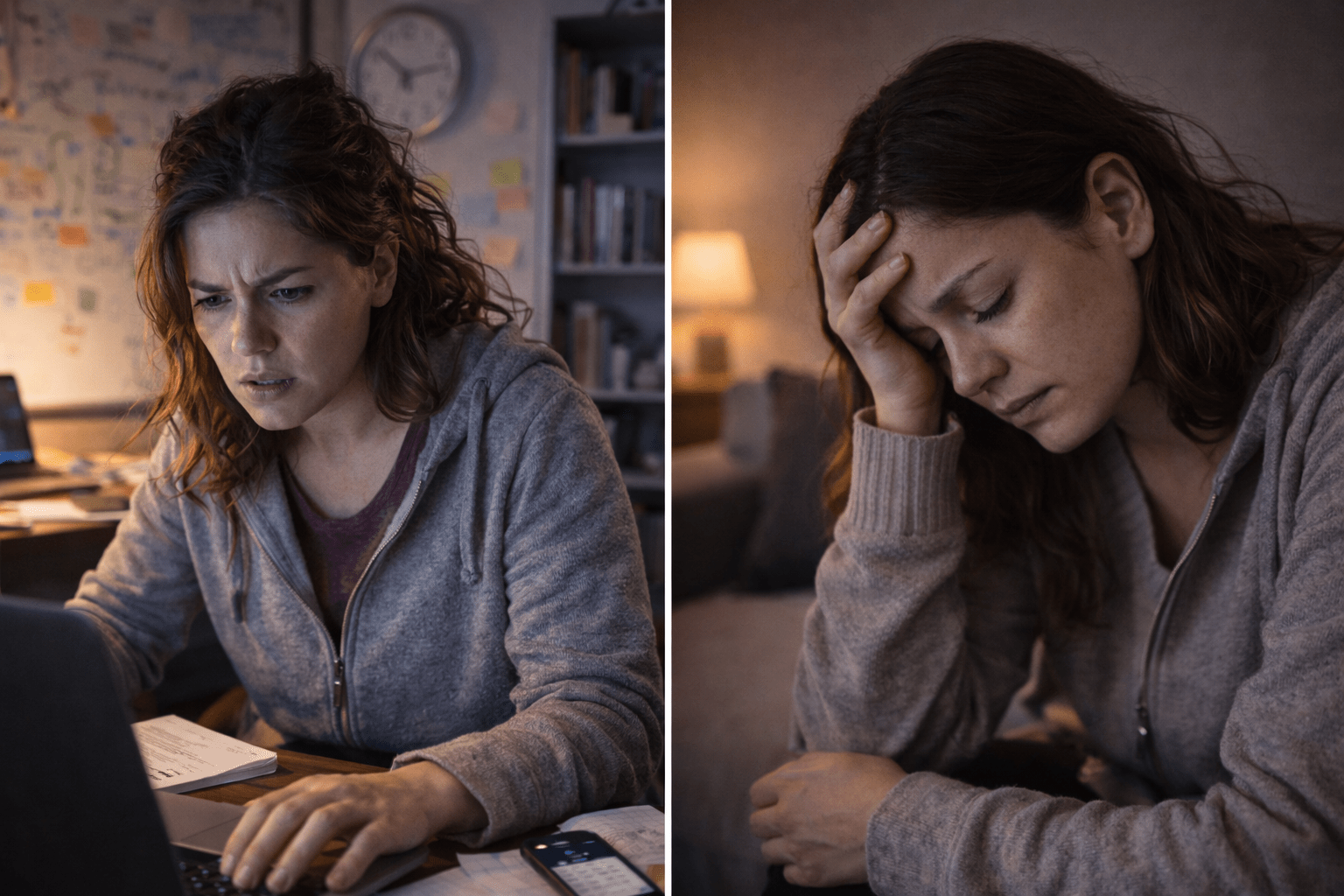
These changes may include periods of increased energy or restlessness, followed by times of low mood, fatigue, or emotional heaviness.
Quick note: This is not medical advice. Always consult a qualified mental health professional for personalized care.
What’s Happening in the Brain? 🧠
Bipolar disorder is linked to changes in brain chemistry, sleep regulation, and stress response systems.
These factors can influence mood stability and energy levels over time.
- Genetic or family factors
- Sleep disruption
- Stress or major life events
- Hormonal influences
- Complex brain chemistry patterns
How It Affects Daily Life
Bipolar disorder can influence energy, concentration, routines, relationships, and sleep patterns.
Both elevated and low mood states can feel overwhelming, and managing these changes requires ongoing care and support.
When to Seek Professional Support ⚠️
- Persistent low mood or loss of interest
- Periods of unusually high energy or reduced need for sleep
- Difficulty managing daily responsibilities
- Risky or impulsive behavior
- Thoughts of self-harm or feeling unsafe
Supportive Daily Strategies 🌱
Consistency and gentle structure can support emotional balance:
- Maintain regular sleep and wake routines
- Eat balanced meals at consistent times
- Track mood patterns and triggers
- Reduce overstimulation when needed
- Stay connected with supportive people
Stability Is Possible 🌱
With the right support, treatment, and self-awareness, many people living with bipolar disorder are able to build stability and lead meaningful lives.
Seeking help is a strong and important step toward balance.
Join the ItHurts Community 💬
Connect with people who understand mood changes, mental health challenges, and the journey toward balance.
Join the CommunityThis content is for education and support only and does not replace professional mental health care. If symptoms worsen or you feel unsafe, seek immediate help.