

Nighttime Rituals to Improve Sleep Quality, Even With Pain
Think of your evening as a runway. A plane can't go from cruising altitude to the gate in one move, and most of us can't go from answering emails to deep sleep in one move either. The hour or so before bed, and the room you sleep in, can either ease that descent or make it bumpy.
This article focuses on two things you can shape tonight: your sleep environment and your wind-down ritual. It also covers small adjustments that many people with back, neck, hip or shoulder pain find make a real difference to how comfortably they rest.

A bedroom that says "sleep"
Light
- Dim the house in the evening. Switch to lamps with warm bulbs an hour or two before bed. Bright overhead light can delay the body's natural wind-down.
- Make the room dark. Blackout curtains or a comfortable eye mask help, especially in summer or if you sleep in the daytime after shift work.
- Cover small lights. Standby lights on chargers and electronics can be surprisingly bright in a dark room.
Temperature
Your body temperature naturally dips as you fall asleep, and a cooler room supports that. Many people sleep best in a room on the cool side, often somewhere around the mid-60s Fahrenheit (about 18°C), with bedding they can add or remove. Breathable cotton or linen sheets help if you tend to wake hot.
Sound
- Soft earplugs can block traffic or a snoring partner.
- A fan, white noise machine or a steady recording of rain can mask sudden noises that would otherwise wake you.
- If a partner's snoring is loud and frequent, especially with pauses in breathing, it's worth them getting checked for sleep apnea.
Mattress and pillows
The right mattress is the one that keeps your spine in a comfortable, fairly neutral line and lets you wake without new aches. Preferences vary a lot, so there's no single "best" firmness. If you wake stiff, try changing your pillows or adding a topper before replacing the whole mattress. Pillows matter as much as people think: side sleepers usually need a thicker pillow to fill the gap between ear and shoulder, back sleepers something thinner, and stomach sleepers very little.
If pain keeps you awake
Pain and sleep affect each other: pain makes it hard to sleep, and poor sleep can make pain feel worse the next day. These positioning ideas help many people get more comfortable:
- Lower back pain: on your back with a pillow under your knees, or on your side with a pillow between your knees to keep hips level.
- Neck pain: a pillow that supports the curve of your neck without pushing your head forward; many find stomach sleeping aggravates neck pain.
- Hip pain: lie on the less painful side with a pillow between the knees, and consider a soft topper to cushion pressure points.
- Shoulder pain: avoid lying on the sore shoulder, and hug a pillow in front of you to rest the arm on when side-lying.
- Getting in and out of bed: roll onto your side and push up with your arms, rather than sitting straight up.
A warm shower or heat pack before bed eases stiffness for many people. Never sleep with a heating pad switched on, as it can burn the skin.
If pain regularly wakes you at the same time each night, or is worse lying down, mention it to your doctor. Night pain can have specific causes worth checking, and a clinician may also suggest timing changes to any pain relief you already use.
Building a wind-down ritual
A ritual is just a predictable set of steps that tells your body the day is ending. It doesn't need to be elaborate. Choose three or four that you enjoy and repeat them in the same order most nights:
- A "screens down" time. Put the phone on a charger outside the bed, or at least across the room, 30 to 60 minutes before sleep. If you do use a screen, lower the brightness and switch on night mode.
- A warm bath or shower. The gentle cooling afterward can help you feel sleepy.
- Light stretching. A few minutes of slow, comfortable stretches for the neck, back and hips.
- Reading something calm. A paper book or e-reader without a bright backlight.
- A worry list. Writing down tomorrow's tasks and anything on your mind can stop thoughts from circling in bed.
- Relaxing sound. Quiet music, an audiobook on a timer, or a guided relaxation recording.
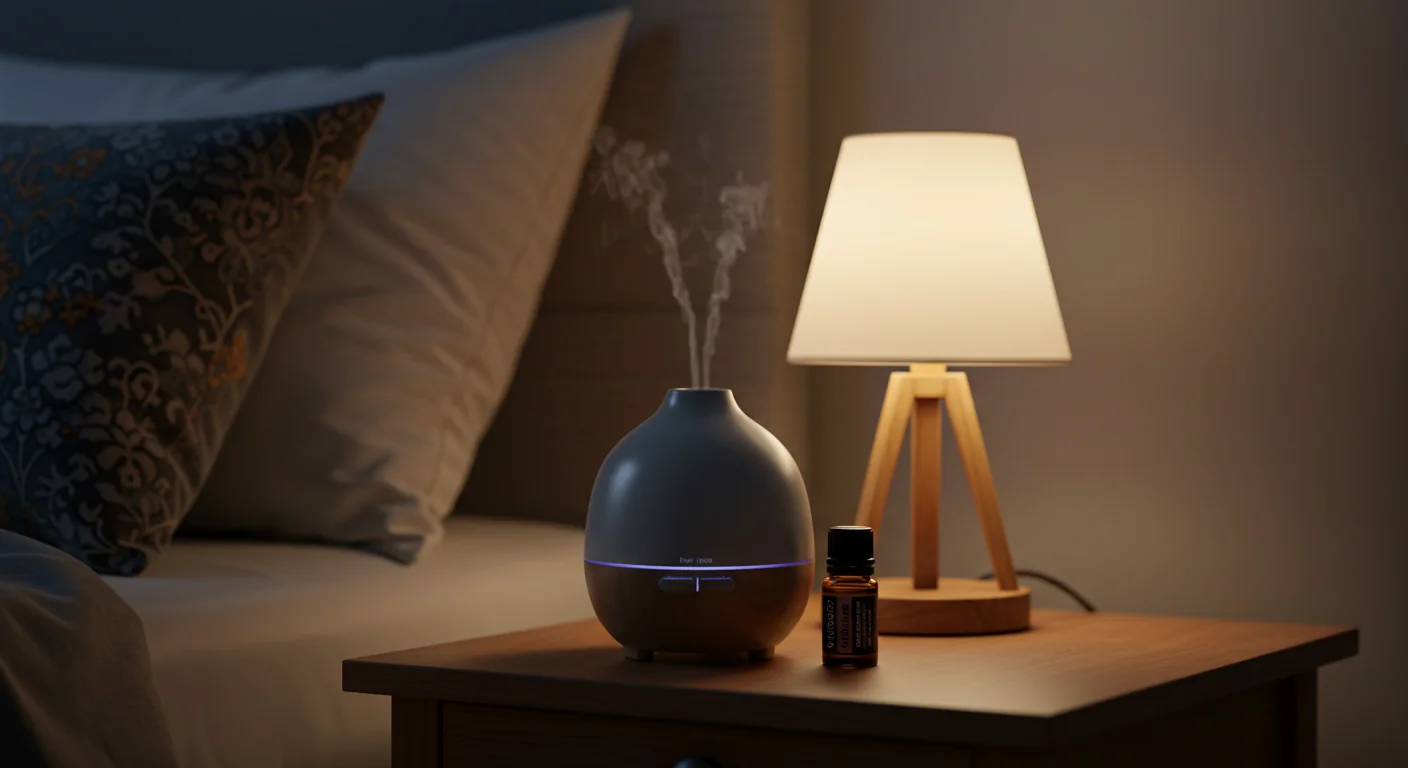
- Scent, if you enjoy it. Some people find a familiar, gentle scent such as lavender part of a relaxing routine. Keep diffusers away from children and pets, and skip them if scents trigger asthma, headaches or allergies.
Habits that quietly undo good rituals
- Caffeine in the afternoon or evening
- Large, heavy meals right before bed
- Alcohol close to bedtime, which tends to make sleep lighter and more broken later in the night
- Long or late naps
- Very different bedtimes on weekdays and weekends
- Lying awake in bed for long stretches; if you can't sleep after what feels like 20 minutes or so, get up, do something calm in dim light, and return when sleepy
When rituals aren't enough
Talk to a doctor if you've had trouble sleeping most nights for several weeks, if you snore loudly or gasp in your sleep, if you're very sleepy during the day, if restless legs or pain keep you up, or if worry or low mood are stopping you from sleeping. Long-term insomnia often responds well to a structured approach called cognitive behavioral therapy for insomnia (CBT-I), and other sleep conditions can be checked and managed. Ask your doctor or pharmacist before starting sleep aids or supplements.
Tonight's short checklist
- Lights dimmed an hour before bed
- Bedroom cool, dark and quiet
- Pillows set up for the way you sleep and where you hurt
- Phone away from the bed
- Three calming steps, in the same order
- A glass of water by the bed and a note pad for stray thoughts
For a closer look at the pain that may be disturbing your nights, try our free Chronic Pain Check-Up. You can also swap ideas with others in the sleep, fatigue and energy groups.
This article is general information, not medical advice. If you're worried about your symptoms, talk to a doctor.
Reviewed by the ItHurts editorial team · Last reviewed 18 October 2026 · General information, not medical advice. If you are worried about your symptoms, talk to a doctor.