

Diet and Pain: Practical Eating Tips and Planning Tools
No single food switches pain off, and no diet replaces medical care. But what you eat affects your energy, weight, gut, sleep and, for some people, how inflamed and achy they feel. When you live with chronic pain, it is also one of the few areas where you can make small, steady changes yourself. The hard part is often not knowing what to eat, but having the energy to plan, shop and cook on bad days.
This guide looks at what is generally understood about diet and pain, realistic eating habits to try, and simple tools, including meal planners and food diaries, that take some of the effort out of it.
How food and pain may be connected
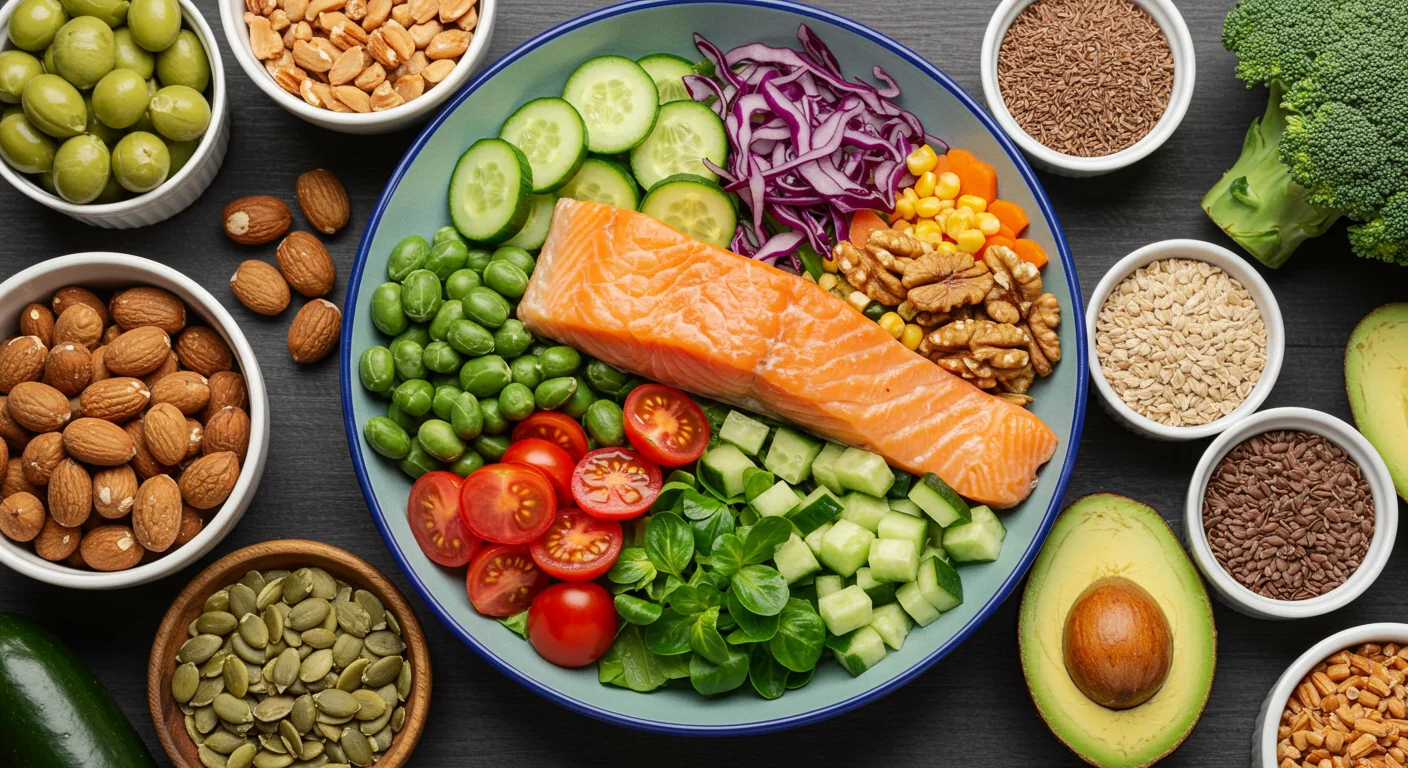
Inflammation is part of many painful conditions, including some types of arthritis. Eating patterns rich in vegetables, fruit, whole grains, legumes, nuts, seeds, olive oil and fish, such as the Mediterranean-style diet, are widely recommended for overall health and are often suggested for people with inflammatory conditions. On the other side, diets heavy in highly processed foods, sugary drinks, refined carbohydrates and processed meats are generally linked to poorer health.
Food can influence pain in other ways too:
- Body weight: extra weight increases the load on knees, hips and the back.
- Energy and blood sugar: irregular meals can lead to dips that make fatigue and irritability worse.
- Gut health: some people with digestive conditions find certain foods trigger pain or bloating.
- Specific conditions: for example, people with gout are often advised to limit alcohol and certain foods, and people with migraine may notice personal food triggers.
Responses vary a lot between people. That is why paying attention to your own patterns matters more than following a strict list.
Eating habits worth trying
- Fill half your plate with vegetables and fruit, in a variety of colors.
- Swap refined grains for whole grains such as oats, brown rice, whole wheat bread and barley.
- Include oily fish such as salmon, sardines or mackerel a couple of times a week, if it suits your diet.
- Choose healthier fats like olive oil, nuts, seeds and avocado over butter and fried foods.
- Add beans and lentils, which are filling, budget-friendly and rich in fiber.
- Cut back on sugary drinks and ultra-processed snacks, rather than trying to cut them out entirely overnight.
- Drink enough water, and go easy on alcohol, which can disturb sleep and interact with some pain medicines.
- Use herbs and spices such as ginger, garlic and turmeric to add flavor. They are a pleasant part of a healthy diet, but don't rely on them as pain treatment.
Picks for eating well with pain
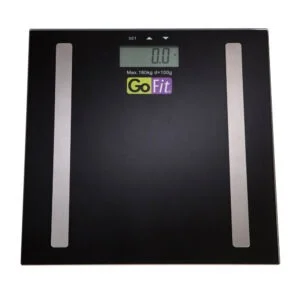
Hand-picked by ItHurts · an everyday option, a best overall and a clinical-grade upgrade
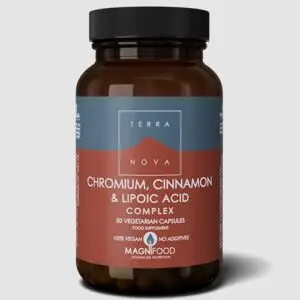
Terranova Chromium, Cinnamon & Alpha Lipoic Acid Complex – 50 Capsules
$20.83
Check Price →



Some links are affiliate links. If you buy through them, ItHurts.com may earn a small commission at no extra cost to you.
Tools that make healthy eating easier
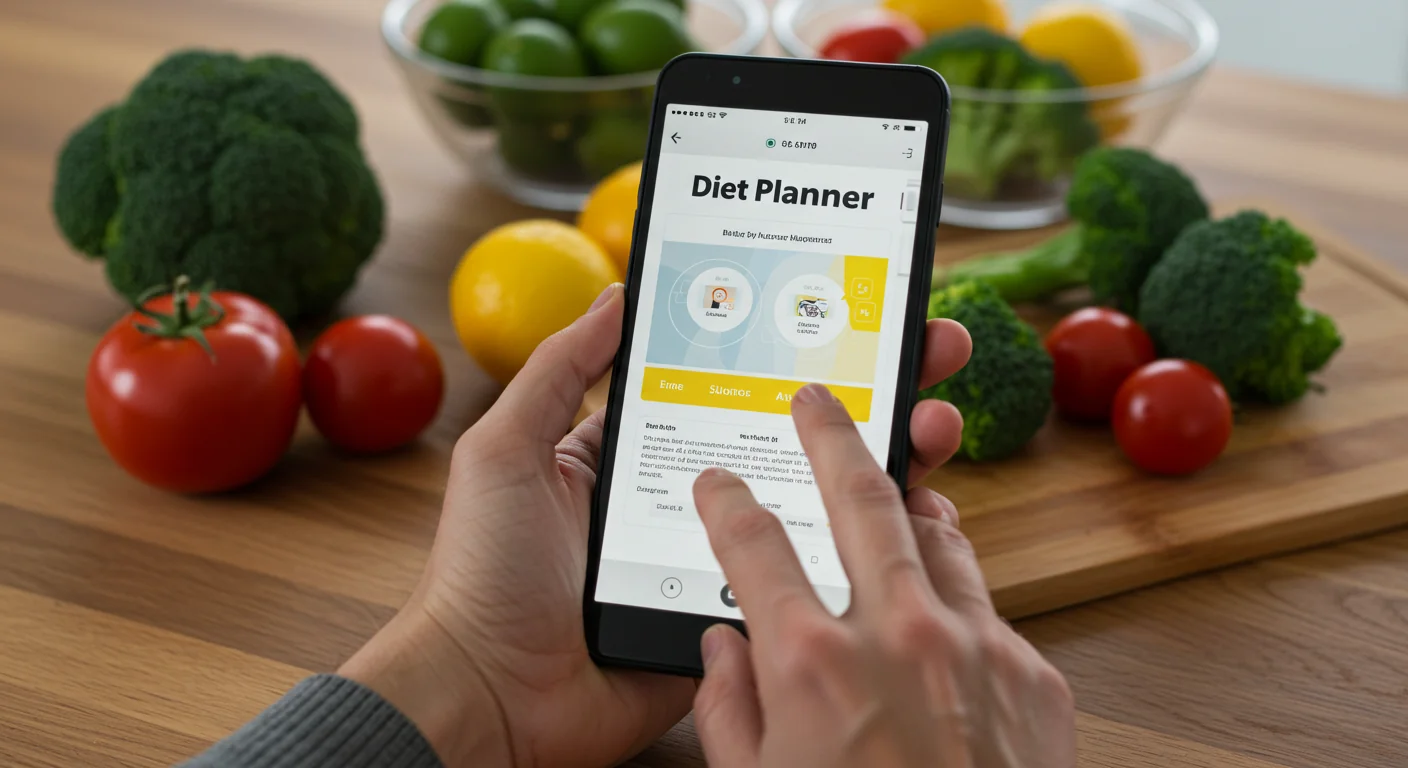
Meal planning apps and planners
A meal planner, whether an app, a spreadsheet or a paper sheet on the fridge, helps you decide the week's meals in one go, so you aren't making decisions when you are tired and sore. Look for features such as:
- Recipe ideas you can filter by ingredient, time and dietary needs
- Automatic shopping lists
- The ability to save favorite "low-energy" meals
- Simple nutrition information, if that is useful to you
Be wary of apps that push very strict calorie targets or rigid rules, especially if you have a history of disordered eating.
Food and symptom diary
Tracking what you eat alongside your pain, energy, sleep and mood for a few weeks can reveal patterns. Note the date, meals, drinks, pain level and anything unusual such as stress, weather or activity. Look for trends over time rather than reacting to a single bad day. Bring the diary to your doctor or a dietitian, who can help interpret it.
Kitchen helpers for bad days
- A slow cooker or multi-cooker for one-pot meals with little standing
- Pre-chopped frozen vegetables, canned beans and canned fish
- Lightweight pans and easy-grip utensils if your hands are sore
- A perching stool so you can sit while you prepare food
- Batch cooking on better days, with portions frozen for later
A simple way to start
- Pick one goal for the next two weeks, such as adding a vegetable to lunch or swapping one sugary drink a day for water.
- Plan four easy dinners, and write the shopping list from them.
- Keep a short food and symptom diary.
- After two weeks, review what felt manageable and add one more change.
Small, sustainable steps tend to last longer than a dramatic overhaul.
Be careful with strict diets and supplements
Cutting out whole food groups, for example gluten, dairy or nightshades, is sometimes tried to see if pain improves. If you want to try an elimination diet, do it with guidance from a doctor or registered dietitian, so you don't miss out on important nutrients and can reintroduce foods properly. Likewise, talk to a doctor or pharmacist before taking supplements marketed for pain or inflammation, as some interact with medicines or aren't suitable with certain conditions.
When to talk to a doctor
- You are losing weight without trying
- You have pain in your belly after eating, trouble swallowing, or persistent heartburn
- You notice blood in your stool, black stools, or ongoing changes in bowel habits
- Your diet has become very restricted, or thoughts about food are causing distress
- You have a condition such as diabetes, kidney disease or gout and want tailored advice
The bottom line
Diet won't take away pain on its own, but eating patterns based on vegetables, fruit, whole grains, legumes, healthy fats and fish support overall health and may help some people feel better. Meal planners, shopping lists, food diaries and simple kitchen tools can make healthier eating realistic even on low-energy days. Get professional advice before strict diets or supplements, and see a doctor for any digestive warning signs.
Share recipes and routines
Swap low-effort meal ideas in our wellness, rehab and lifestyle groups. To get a clearer picture of your pain, try the free ItHurts Chronic Pain Check-Up.
This article is general information, not medical advice. If you're worried about your symptoms, talk to a doctor.
Reviewed by the ItHurts editorial team · Last reviewed 18 October 2026 · General information, not medical advice. If you are worried about your symptoms, talk to a doctor.