

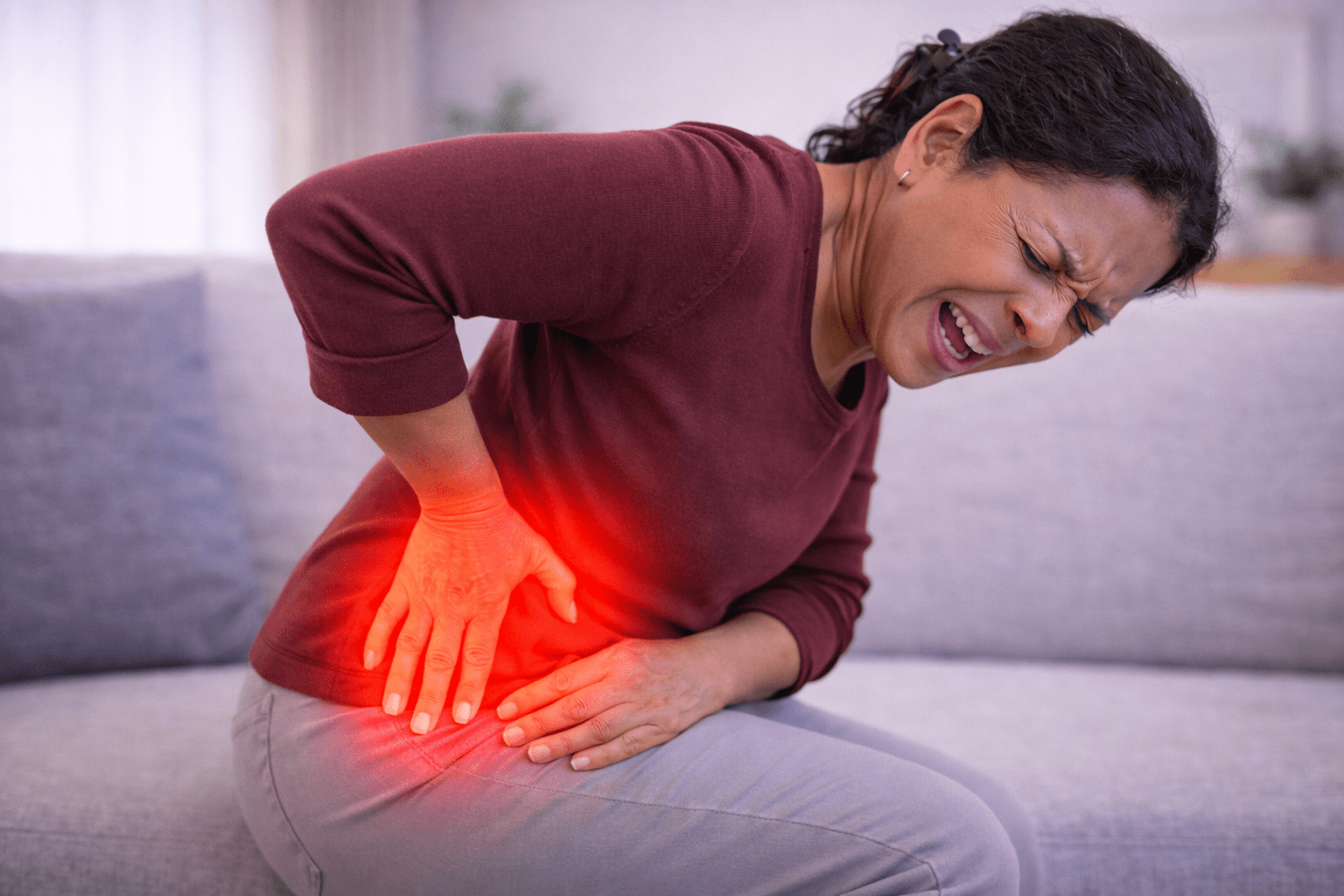
When SI Joint Pain Disrupts Daily Life
SI joint pain often appears suddenly and can quickly interfere with normal movement. Sitting, standing, walking, and even small movements may become uncomfortable.
Although the joint is small, its role in stabilizing the body means that irritation can affect the entire lower back and pelvic region.
Quick note: This is not medical advice — only educational guidance. Consult a qualified professional for your symptoms.
What Is the SI Joint? 🧠
The sacroiliac (SI) joint connects the spine to the pelvis. It helps transfer weight between the upper body and legs while maintaining balance and stability.
When this joint becomes irritated, inflamed, or unstable, surrounding muscles and nerves can also become affected.
- Prolonged sitting or standing
- Pregnancy or postpartum changes
- Uneven gait or leg length differences
- Sudden lifting or twisting
- Weak core or glute muscles
- Previous injuries
Why SI Joint Pain Feels So Intense
Pain from the SI joint can radiate into the lower back, hips, and legs. This makes it feel larger than the joint itself and can interfere with movement, sleep, and concentration.
When to Seek Medical Care ⚠️
- Worsening or persistent pain
- Numbness or tingling in the legs
- Difficulty standing or walking
- Pain after injury or trauma
- Bowel or bladder changes
- Fever or unexplained weight loss
Supportive Home Strategies 🏡
Managing daily movement and reducing strain can help:
- Change positions regularly
- Use supportive seating
- Alternate heat and cold therapy
- Avoid overly soft surfaces
- Wear supportive footwear
Gentle Movement and Stability
- Pelvic tilts
- Glute strengthening exercises
- Gentle hip mobility work
- Light walking
- Core activation exercises
Daily Life Adjustments
Small changes in posture, movement, and activity pacing can reduce strain and improve comfort over time.
Recovery and Outlook 🌱
SI joint pain can be frustrating, but with proper care, strengthening, and support, improvement is possible.
Join the ItHurts Community 💬
Connect with others managing back pain and mobility challenges.
Join the CommunityThis content is educational and supportive only and does not replace professional medical care.