


 Written by
Fibromyalgia: Living Well With Pain All Over

Pain that moves around your body. Tiredness that sleep doesn't fix. Days when your brain feels foggy and simple tasks take everything you've got. If you live with fibromyalgia, or think you might, you'll know how exhausting it is, and how frustrating it can be when tests come back "normal" and people can't see what you're going through.
Your pain is real. Fibromyalgia is a recognised long-term condition, and while it can't be switched off, there's a lot that can help you feel better and do more of what matters to you. This guide explains what fibromyalgia is, what usually helps, and when to see a doctor. It can't tell you whether you have fibromyalgia. Only a doctor can do that.
What fibromyalgia is and how it feels
Fibromyalgia is a long-term condition that causes pain and tenderness in many parts of the body. Scientists think it's linked to changes in how the brain, spinal cord and nerves process pain signals. In simple terms, the body's "volume control" for pain is turned up, so normal sensations can hurt and pain feels stronger.
The main symptoms are:
- widespread pain, often described as aching, burning or throbbing, in the arms, legs, back, neck, chest, tummy and elsewhere
- feeling extremely tired (fatigue), even after rest
- trouble getting to sleep or staying asleep, and waking up unrefreshed
Other common symptoms include:
- muscle and joint stiffness
- being very sensitive to touch, pressure, light, noise, smells or temperature
- problems with memory and concentration, often called "fibro fog"
- headaches
- tummy problems such as bloating, pain or irritable bowel
- numbness or tingling in the arms and legs
- low mood, frustration or worry
Symptoms often come and go. You may have good spells and flare-ups, sometimes for no obvious reason.
Fibromyalgia is more common in women than men. It often starts in middle age, though it can begin at any age. It's also more common in people who live with other long-term conditions, such as osteoarthritis, rheumatoid arthritis, lupus or long-term back pain.
Common causes
The exact cause isn't known. Things that seem to play a part include:
- changes in the way the nervous system handles pain signals
- genes, as fibromyalgia can run in families
- a physical or emotional trigger, such as an injury, an infection, an operation or a very stressful time
- poor sleep, which can make pain worse, and pain, which makes sleep worse
Fibromyalgia can be hard to diagnose because there's no single test for it, and the symptoms overlap with other conditions. A doctor will usually ask about your symptoms, examine you and may arrange blood tests to rule out other causes, such as an underactive thyroid.
What usually helps
There's no single fix, but most people find a combination of approaches helps. Treatment usually includes exercise, ways to manage sleep and stress, talking therapies and, for some people, medicine.
Gentle, regular movement. Exercise is one of the best-studied ways to ease fibromyalgia pain and tiredness. It doesn't need to be hard. Walking, swimming or exercising in warm water, tai chi, gentle yoga and stretching are all good options. The key is to start very small and build up slowly, so you don't trigger a flare.
Pacing. Many people fall into a "boom and bust" pattern: doing lots on a good day, then crashing for days afterwards. Pacing means breaking tasks into smaller chunks, taking regular rests and doing a similar amount each day, good day or bad.
Better sleep habits. Go to bed and get up at the same times, keep the bedroom dark, quiet and cool, and avoid caffeine in the afternoon and screens just before bed.
Calming the nervous system. Relaxation, slow breathing, mindfulness and gentle stretching can help settle a stressed body and mind.
Talking therapies. Approaches such as cognitive behavioural therapy (CBT) and acceptance and commitment therapy (ACT) can help you manage the impact of pain on your life. They don't mean the pain is in your head. They're practical tools for living with a long-term condition.
Warmth. Many people find warm baths, showers or heat packs soothe aching muscles.
Support. Talking to people who understand can make a big difference. Support groups, online or in person, help many people feel less alone.
Medical treatment. Your doctor may suggest medicines that can help with pain or sleep. Everyone is different, so it can take time to find what helps you.
Eat regularly. There's no special fibromyalgia diet, but regular, balanced meals help keep your energy steady through the day. Some people find that cutting back on caffeine and alcohol helps their sleep. If certain foods seem to upset your tummy, a food and symptom diary can help you and your doctor spot patterns.
Relief picks for fibromyalgia
Hand-picked by ItHurts · an everyday option, a best overall and a clinical-grade upgrade










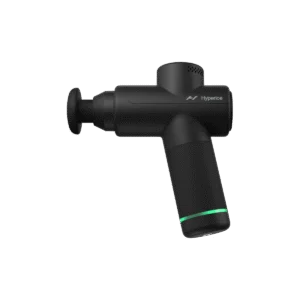
Some links are affiliate links. If you buy through them, ItHurts.com may earn a small commission at no extra cost to you.
What to try this week
When to see a doctor
Call 911 (or your local emergency number) or go to the emergency room if:
- you have chest pain, pressure or tightness, especially with sweating, feeling sick or shortness of breath
- you suddenly have weakness, numbness or drooping on one side of your face or body, or trouble speaking
- you have thoughts of harming yourself or ending your life (in the US you can also call or text 988, and in the UK call Samaritans on 116 123)
Call your doctor the same day if:
- you have a fever, or feel very unwell along with your pain
- you have a hot, red, swollen joint
- you have new numbness, tingling or weakness that is spreading or getting worse
Book an appointment within 1 to 2 weeks if:
- you think you may have fibromyalgia and haven't been checked
- your symptoms have changed, or you have new symptoms
- you're losing weight without trying, or you have swollen joints or stiffness lasting more than an hour each morning
- your pain, sleep or tiredness is stopping you working, looking after yourself or seeing people
- your mood is low most days, or you feel hopeless or very worried
If you take medicines for fibromyalgia or anything else, don't change or stop them without talking to your doctor or pharmacist first.
Common questions
Is fibromyalgia real?
Yes. Fibromyalgia is a recognised medical condition. Scans and blood tests may look normal, but research shows changes in how the nervous system processes pain. Your symptoms are real.
Will exercise make my pain worse?
Doing too much too soon can trigger a flare. But gentle exercise, started small and built up slowly, helps many people have less pain and more energy over time. Some soreness at first is common and doesn't mean harm.
Is fibromyalgia a type of arthritis?
No. It can cause pain in and around the joints, but it doesn't damage the joints the way arthritis can. Some people have both.
Will it get worse over time?
Fibromyalgia doesn't damage your body, and it isn't known to get steadily worse. Symptoms often go up and down. Many people find that, with the right mix of approaches, they have more good days.
What should I tell my family?
It can help to explain that fibromyalgia is real, that it varies from day to day, and that pacing isn't laziness. Sharing a guide like this one can start the conversation.
You don't have to figure this out alone
Want a clearer picture of your pain and three ideas for this week? Take the free 2-minute Pain Check-Up. Nine quick taps give you your Pain Archetype, your Pain Load score and three things to try this week.
Fibromyalgia can feel invisible to the people around you. Join the ItHurts community to talk with people who understand without needing an explanation, and to swap ideas that make life a little easier.
Sources
If it Hurts we can help.
Join a space where people share real experiences, support, and understanding—without judgment.
Join the ItHurts CommunityReviewed by the ItHurts editorial team · Last reviewed 18 October 2026 · General information, not medical advice. If you are worried about your symptoms, talk to a doctor.