
 Written by
Endometriosis: Symptoms, Getting a Diagnosis and What Helps
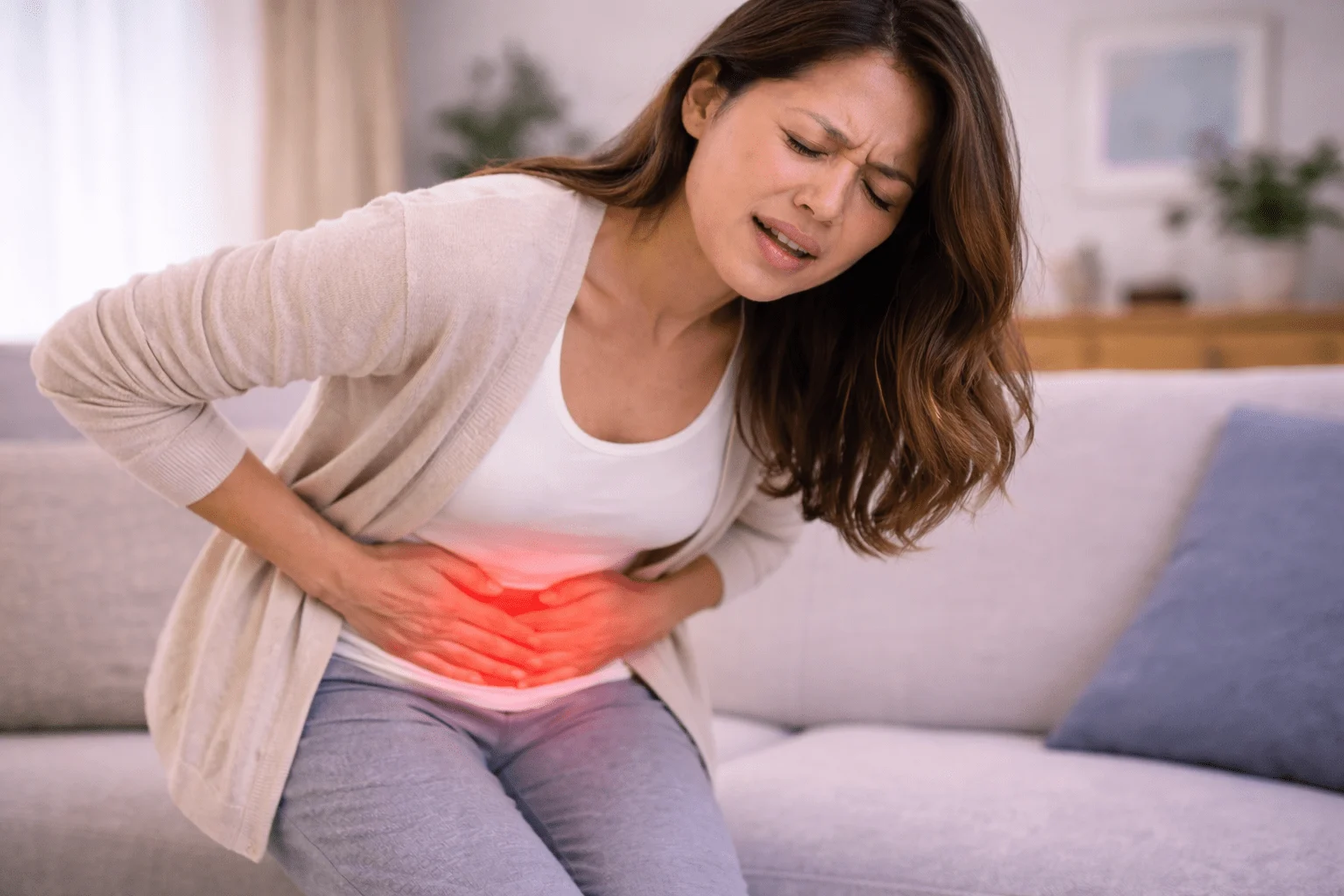
Period pain that makes you miss work or school, pain during sex, pelvic pain that never quite goes away. Many people with endometriosis are told for years that this is “just a bad period”. It isn't, and you deserve to be taken seriously.
This guide explains what endometriosis is, the symptoms, how doctors diagnose and treat it, what you can do to ease the pain day to day, and when to get help. It can't tell you whether you have endometriosis. Only a doctor who examines you can do that.
What endometriosis is and how it feels
Endometriosis is a long-term condition where tissue similar to the lining of the womb (uterus) grows in other places, such as the ovaries, the fallopian tubes, the lining of the pelvis, and sometimes the bowel or bladder. This tissue reacts to the monthly cycle, which can cause inflammation, pain and scar tissue.
It's common: it affects around 1 in 10 women and people assigned female at birth during the years they have periods. It can start in the teenage years.
Endometriosis can cause:
- period pain that stops you doing your normal activities
- pain in your lower tummy, pelvis or lower back, at any time of the month
- pain during or after sex
- pain when you pee or poo, especially during your period
- heavy periods, or bleeding between periods
- feeling very tired
- difficulty getting pregnant
How much pain you have doesn't always match how much endometriosis there is. Some people have severe pain with small areas, and some have few symptoms at all.
Getting a diagnosis
Endometriosis often takes years to diagnose, partly because its symptoms are similar to other conditions and partly because period pain is too often dismissed. Keeping a record of your symptoms can help a lot.
A doctor will usually:
- ask about your symptoms and your cycle
- examine your tummy and, if you agree, do an internal (pelvic) examination
- arrange an ultrasound scan or sometimes an MRI, which can show some types of endometriosis, such as cysts on the ovaries
A normal scan doesn't rule endometriosis out. The only way to be certain is a small keyhole operation (laparoscopy), where a surgeon looks inside the pelvis and may remove patches of endometriosis at the same time. Many people start treatment for the symptoms before this.
What usually helps
There's no cure yet, but the symptoms can usually be managed. Treatment depends on your symptoms, your age and whether you want to get pregnant.
- Pain relief: anti-inflammatory painkillers such as ibuprofen or naproxen often work best when started a day or two before your period. Ask a pharmacist or your doctor what's safe for you.
- Hormone treatments: the combined pill, progestogen-only pills, the hormonal IUD (coil), the injection or the implant can make periods lighter or stop them, which often eases pain. Other hormone medicines can be used for a while if these don't work.
- Surgery: keyhole surgery to remove or destroy patches of endometriosis can ease pain for many people. In some cases surgery to remove the womb is considered, after a careful talk with a specialist.
- Fertility help: many people with endometriosis get pregnant without help. If you're trying and it's not happening, ask for a referral early.
- Support for the pain itself: pelvic floor physical therapy and pain specialist teams can help with long-term pelvic pain.
What to try this week
When to see a doctor
Go to the emergency room or call 911 (or your local emergency number) if:
- you have sudden, severe pain in your lower tummy or pelvis, especially if you could be pregnant
- you faint, feel very dizzy, or have pain with a high fever
- you're bleeding very heavily (soaking a pad or tampon every hour for several hours)
Book an appointment if:
- period pain stops you doing your usual activities, or painkillers don't help
- you have pelvic pain at other times of the month
- you have pain during or after sex
- you have pain or blood when you pee or poo during your period
- you've been trying to get pregnant for a year (or 6 months if you're over 35)
If you take medicines, don't change or stop them without talking to your doctor or pharmacist.
Common questions
Is endometriosis just a bad period?
No. Some period pain is common, but pain that stops you living your life is not normal and should be checked.
Does endometriosis mean I can't have children?
Not necessarily. Many people with endometriosis get pregnant naturally. It can make it harder for some, and treatment can help.
Will it go away after menopause?
Symptoms often improve after menopause, when periods stop, but not for everyone.
Can diet or exercise help?
There's no diet proven to treat endometriosis. Regular gentle exercise and good sleep help many people cope with long-term pain. If you want to try changing what you eat, talk to your doctor or a dietitian first.
Is it the same as adenomyosis?
No, but they're related. In adenomyosis, the tissue grows into the muscle wall of the womb. The two can happen together.
You don't have to figure this out alone
Not sure what's behind your pain? Take the free 2-minute Chronic Pain Check-Up. Nine quick taps show you what kind of pain you have, your Pain Load score and three things to try this week.
You can also join the free Endometriosis group on ItHurts, where people share what helped them get diagnosed and what eases the bad days.
Sources
If it Hurts we can help.
Join a space where people share real experiences, support, and understanding—without judgment.
Join the ItHurts CommunityReviewed by the ItHurts editorial team · Last reviewed 28 November 2026 · General information, not medical advice. If you are worried about your symptoms, talk to a doctor.