

When Pelvic Pain Decides to Ruin Your Week 😩
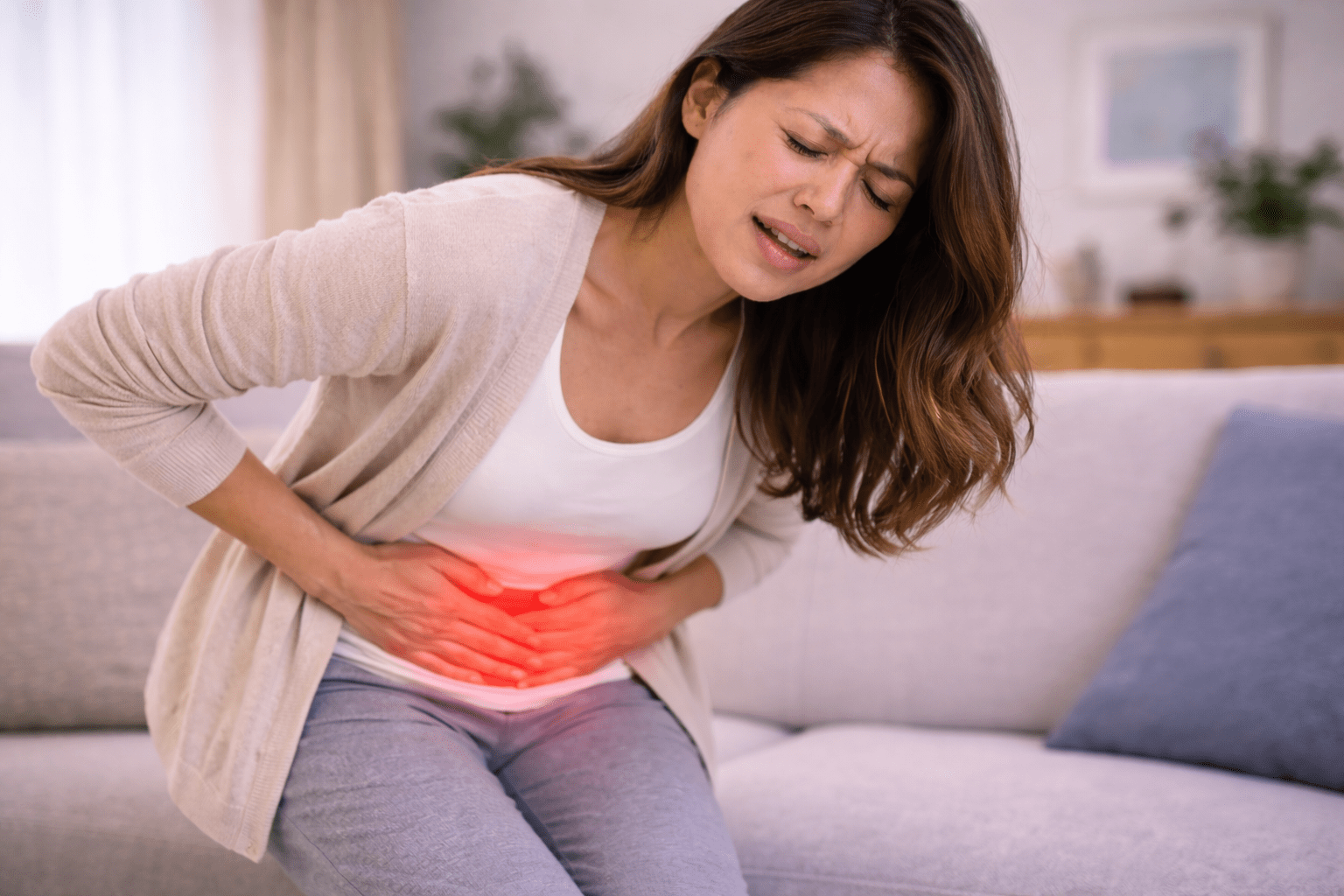
Pelvic Pain has a special talent for showing up uninvited — sharp, dull, crampy, pressure-heavy, or emotionally exhausting. Sometimes it feels like your pelvis is yelling, “WE NEED TO TALK,” at the worst possible moment.
Sitting, walking, sleeping, laughing, sneezing — suddenly everything feels like a negotiation. And because pelvic pain is invisible, it’s often misunderstood or brushed off.
Quick note: This is friendly info and encouragement — not medical advice. Always talk with a qualified professional about your own body.
What’s Actually Going On? 🧠🩺
Pelvic Pain can come from muscles, nerves, organs, ligaments, joints — and yes, stress. The pelvis is a busy central hub, and when communication breaks down, pain shows up loudly.
Think of the pelvic floor like a group project that never learned teamwork. Muscles may be too tight, too weak, or simply overwhelmed.
- Muscle tension or weakness
- Hormonal changes
- Endometriosis
- Prostatitis
- Pelvic floor dysfunction
- Digestive issues
- Bladder irritation
- Stress (yes, your pelvis notices)
Pelvic Pain affects people of all genders and ages. If you have a pelvis, congratulations — you’re eligible for this extremely unfun experience.
Why It Hurts (and Why You’re NOT Crazy) 😤
Pelvic Pain is real. You are not imagining it. You are not weak. And you are definitely not “just stressed.”
Pain that affects your core, your bladder, your digestion, or your sense of safety in your body is emotionally heavy. You deserve to be taken seriously.
When to Call in the Pros ⚠️
- Sudden, severe pelvic pain
- Fever, chills, or nausea
- Difficulty urinating or blood in urine
- Unexplained bleeding
- Pain that steadily worsens
- Pain lasting weeks without relief
- Pain after trauma or injury
Seeking help isn’t overreacting — it’s self-respect.
Home Strategies That Actually Help 🏡
Everyday Tweaks
- Supportive seating or cushions
- Alternate sitting and standing
- Gentle bathroom habits (no straining)
- Loose, breathable clothing
- Limit long periods on hard surfaces
Gentle Movement
- Pelvic tilts
- Deep diaphragmatic breathing
- Lower-back mobility
- Light walking for circulation
Comfort Hacks
- Warm compresses for tightness
- Cool packs for inflammation
- Supportive underwear or compression wear
- Short daily relaxation routines
If something worsens your pain, skip it. Your body is allowed to have preferences.
Real-Life Stuff: Work, Sleep, Relationships & Sanity 😴💼❤️
Pelvic Pain doesn’t stay in one lane. It affects sitting, sleeping, intimacy, focus, and confidence.
- Ask for seating or movement accommodations
- Use pillows and supports at night
- Communicate openly with partners
- Build a flare-up toolkit (heat, water, comfort)
You’re Not Alone — And You Deserve Support 💜
Pelvic Pain is complicated, frustrating, and often invisible — but you don’t have to handle it alone. Support, relief ideas, and understanding exist.
Join the ItHurts Community 💬
Connect with people who truly understand pelvic pain.
Join the CommunityThis content is for education and support only and does not replace medical care.