

 Written by
Hip Pain: Common Causes, What Helps and When to Get Help
Getting out of the car. Putting on socks. Lying on your side in bed. When your hip hurts, these everyday moments can turn into a careful negotiation. Hip pain is common, especially as we get older, and it can affect how far you walk, how well you sleep and how much you get out and about.
Most hip pain can be eased with the right mix of movement, strength and small changes to your day. This guide explains the most common causes, what usually helps, and the signs that mean you should get checked quickly. It can't tell you what is causing your own hip pain. Only someone who examines you can do that.
What hip pain is and how it feels
Your hip is a ball-and-socket joint where the top of your thigh bone fits into your pelvis. It carries your weight with every step, and it's surrounded by strong muscles, tendons and small fluid-filled cushions called bursae.
Where you feel the pain gives a clue about where it's coming from:
- Pain in the groin or the front of the hip often comes from the hip joint itself, for example from osteoarthritis.
- Pain on the outside of the hip that's worse when you lie on that side, climb stairs or get up from a chair is often from the tendons and bursa there.
- Pain in the buttock may come from the hip, but it can also come from the lower back.
Hip pain can feel like:
- an ache in the groin, the outer hip, the thigh or the buttock
- stiffness, especially after sitting or first thing in the morning
- pain when walking, especially for longer distances
- difficulty bending to put on shoes and socks or getting in and out of a car
- pain lying on your side at night
- a limp, or a feeling that the hip is weak
Hip pain sometimes spreads down the thigh to the knee. In fact, some people with a hip problem feel it mostly in their knee.
Common causes
The most common causes of hip pain in adults include:
- Osteoarthritis, which is most common over 45. The pain is usually in the groin or thigh, worse when walking, with stiffness after resting.
- Tendon and bursa pain on the outer hip (doctors may call it greater trochanteric pain or bursitis). The pain may spread down the side of the thigh and is often worse lying on that side. It's especially common in women in midlife and later.
- Sprains, strains or tendon pain after intense or repeated exercise.
- Pain coming from the lower back, felt in the buttock and hip.
- Rheumatoid arthritis or other inflammatory types of arthritis, which tend to cause stiffness that's worse after not moving.
Less often, hip pain comes from an infection in the joint, or a broken hip after a fall. Broken hips are much more likely in people with thin bones (osteoporosis). The warning signs are listed below.
What usually helps
Keep moving, but don't overdo it. Staying active helps keep your hip strong and flexible. Try not to put too much strain on it in one go. Little and often is the goal.
Strengthen the muscles around the hip. Strong buttock and thigh muscles support the hip joint and the tendons on the outside of the hip. A physiotherapist can give you a programme that suits you, and in many areas you can refer yourself.
Choose hip-friendly activities. Swimming, water exercise, cycling and walking on flat ground are usually kinder than running or long walks on hills.
Wear comfortable, cushioned shoes. Shoes with a soft, shock-absorbing sole reduce the jolt through your hip.
Avoid low chairs. Low, soft chairs and sofas make your hip bend further than it likes. A firm chair at a good height, or a cushion to raise you up, makes standing easier.
Use cold or heat. Many people find a cold pack wrapped in a towel helps a sore hip after activity, for up to 20 minutes. Others find warmth eases stiffness. Use what feels best.
Look after your weight. If you carry extra weight, losing some can ease the load on your hips.
Ask about pain relief. If you need help with the pain so you can stay active, ask a pharmacist or your doctor what's right for you, including creams or gels.
Uncross your legs. Crossing your legs, or sitting with your knees pulled together, can press on the tendons on the outside of the hip and make outer-hip pain worse. Try sitting with your feet flat and your knees a little apart, and get up regularly to move around.
Relief picks for hip pain
Hand-picked by ItHurts · an everyday option, a best overall and a clinical-grade upgrade
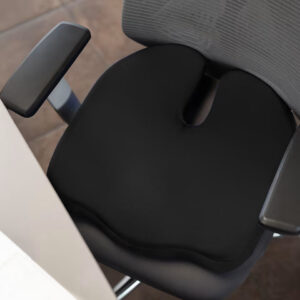




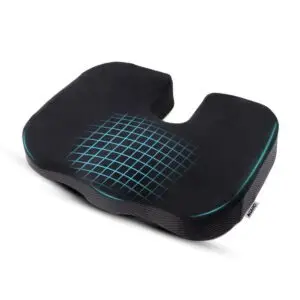
Some links are affiliate links. If you buy through them, ItHurts.com may earn a small commission at no extra cost to you.
What to try this week
When to see a doctor
Call 911 (or your local emergency number) or go to the emergency room if:
- you have severe hip pain after a fall or injury
- you can't walk or put weight on your leg
- your leg looks shorter or is turned outwards after a fall
- you have tingling or loss of feeling in your hip or leg after an injury
Don't drive yourself. If you've had a fall and might have broken your hip, stay still and get help.
Call your doctor the same day, or get urgent care, if:
- you have severe hip pain that came on suddenly without a fall or injury
- your hip is swollen and feels hot, or the skin around it has changed colour
- you have hip pain and feel generally unwell, with a high temperature or chills
Book an appointment within 1 to 2 weeks if:
- hip pain is stopping you doing normal activities or affecting your sleep
- the pain is getting worse or keeps coming back
- it hasn't improved after 2 weeks of looking after it at home
- you have hip stiffness for more than 30 minutes after waking up
Your doctor can examine your hip and back, and suggest physiotherapy, other treatments, or a scan if needed. If you take medicines, don't change or stop them without talking to your doctor or pharmacist.
Common questions
Is my hip pain arthritis?
It might be, but there are other common causes too, such as tendon pain on the outside of the hip, or pain coming from the lower back. A doctor or physiotherapist can usually tell the difference with a simple examination.
Why does my hip hurt more at night?
Lying on the sore side presses on the tendons and bursa on the outer hip. Sleeping on the other side with a pillow between your knees, or on your back, often helps.
Should I stop walking?
Usually not. Walking is good for your hips and your overall health. Try shorter walks on flat ground, use a walking pole if it helps, and build up slowly.
Will I need a hip replacement?
Most people with hip pain don't. For people with severe hip osteoarthritis that seriously affects daily life despite other treatment, a hip replacement can be a very effective option to discuss with your doctor.
What exercises are good for hip pain?
Gentle exercises that strengthen your buttock and thigh muscles, such as sit to stand from a chair, side-lying leg lifts and bridges, help many people. Start with a few repetitions and build up slowly. A physiotherapist can check your technique and tailor exercises to the cause of your pain.
You don't have to figure this out alone
Not sure what's behind your hip pain? Take the free 2-minute Pain Check-Up. Nine quick taps give you your Pain Archetype, your Pain Load score and three things to try this week.
And for company on the slower days, join the ItHurts community. People there share what's helped their hips, from sleep tricks to favourite exercises.
Sources
If it Hurts we can help.
Join a space where people share real experiences, support, and understanding—without judgment.
Join the ItHurts CommunityReviewed by the ItHurts editorial team · Last reviewed 18 October 2026 · General information, not medical advice. If you are worried about your symptoms, talk to a doctor.

